How Much Ballast to Hold Solar Panels Down?

When installing solar panels on flat roofs or certain ground-mounted systems, one common method to avoid drilling or penetrating the surface is the use of ballast. Ballast refers to weights, often concrete blocks, that hold the solar mounting structure firmly in place. It provides stability while ensuring the system withstands environmental forces like wind and rain. But how much ballast is actually required to hold solar panels down safely?

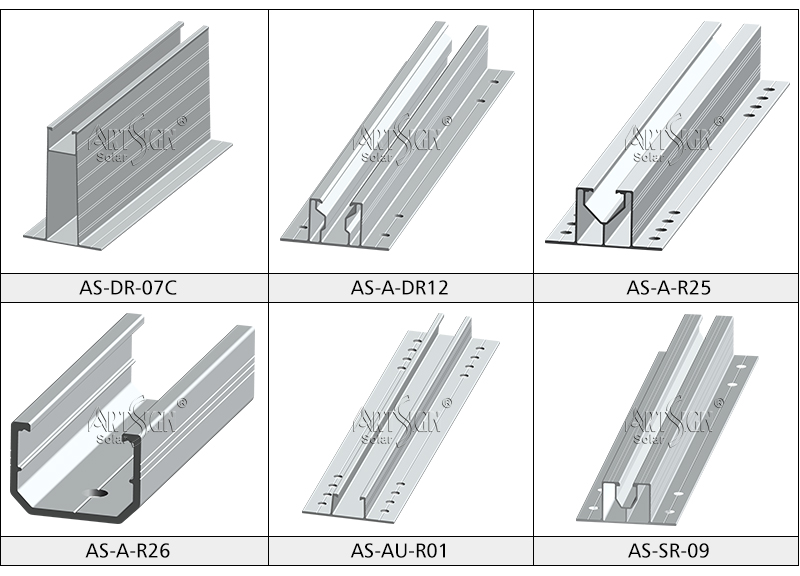
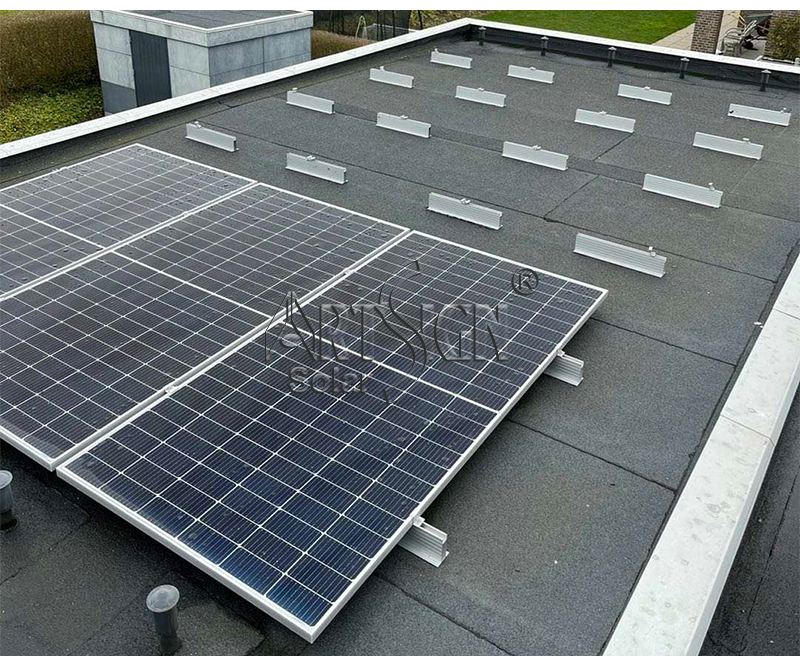
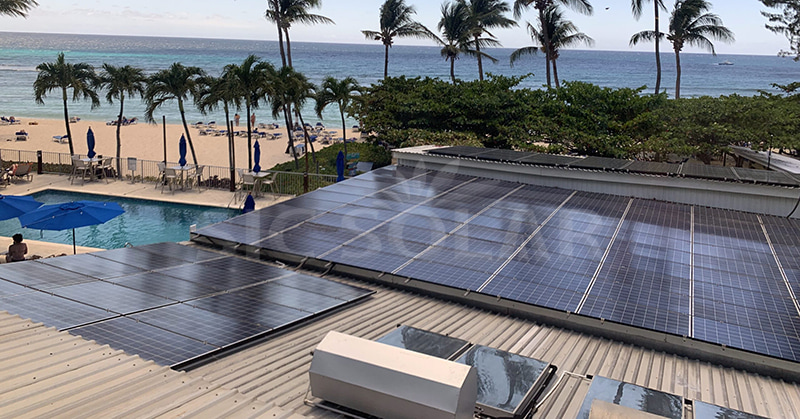
flat roof  ballasted solar mounting system

The amount of ballast needed depends on several key factors. The most important is wind load. Buildings in regions with higher wind speeds require heavier ballast to ensure that panels do not shift or lift during storms. Engineers typically calculate ballast requirements based on local building codes and wind zone ratings to meet safety standards.

Another factor is the roof structure and material. For flat roofs, especially those with limited load-bearing capacity, the weight of the ballast must be carefully balanced. Too much weight can compromise the roof’s structural integrity, while too little ballast can leave the system vulnerable. This is why proper engineering and load assessments are essential before installation.

The tilt angle and layout of the solar panels also influence ballast needs. Panels that are tilted at steeper angles catch more wind, which increases uplift forces. In such cases, additional ballast is required to counteract the pressure. Conversely, low-tilt or flush-mounted systems typically require less ballast because they present less resistance to wind.

Roof surface friction plays a role as well. A rough surface may help stabilize mounting structures with less ballast, while smoother surfaces might require more weight to prevent sliding. Snow loads in colder regions must also be considered, as they add extra force to the system.

To calculate the exact ballast requirements, professional design software and structural analysis are often used. These tools take into account building height, roof type, panel orientation, and environmental conditions. The goal is always to ensure system safety without overloading the roof.

Companies like SIC Solar, a manufacturer of photovoltaic mounting brackets, provide specialized ballasted mounting systems that distribute weight evenly and minimize roof stress. Their designs reduce the overall ballast needed while maintaining stability and compliance with engineering standards. This ensures that panels remain secure while keeping installation efficient.

Ballasted systems are an excellent solution for flat roof solar projects, but they require careful planning. The right amount of ballast will vary from project to project, making it critical to rely on expert design and high-quality mounting structures to achieve long-lasting, safe performance.

How to Secure Solar Panels to a Roof?

Installing solar panels on a roof is one of the most effective ways to harness clean energy at home or for a business. However, beyond selecting the right panels, one of the most critical aspects of the installation process is ensuring that they are securely mounted. Proper mounting not only guarantees system performance but also protects the roof from damage and the panels from harsh weather conditions.

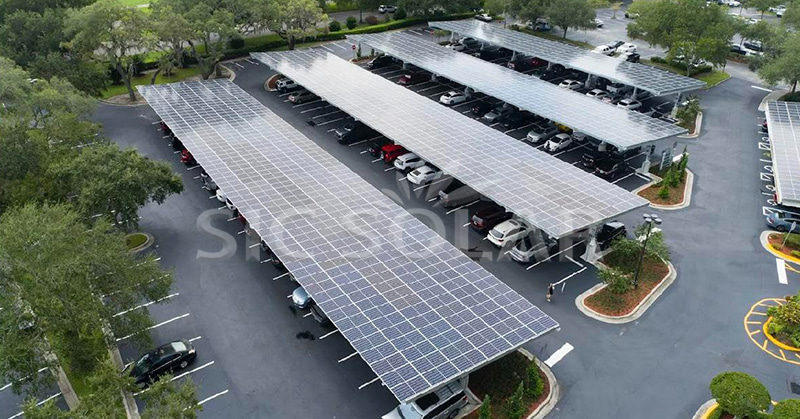
solar roof mounting

The first step in securing solar panels is choosing the right mounting structure. Rooftop systems usually require rails, clamps, and roof hooks or brackets that anchor the panels safely. These components must be compatible with the roofing material—whether it’s tile, metal, asphalt shingle, or slate. For example, tile roofs often use adjustable roof hooks that fit between tiles without breaking them, while standing seam metal roofs can use clamp systems that avoid drilling altogether.

Once the appropriate hardware is selected, the panels are attached to mounting rails that distribute weight evenly across the roof. This helps maintain structural integrity and prevents leaks. The rails are then fixed to roof hooks or brackets that are secured directly into the rafters or other strong structural points. Precision during this stage is essential, as misalignment can affect both the strength of the installation and the efficiency of the solar panels.

Another important factor is wind resistance. Panels must be able to withstand uplift forces during storms. This is achieved through robust fastening methods, weatherproofing sealants, and in some cases, ballast systems that weigh the panels down without penetration. Proper grounding of the system also ensures electrical safety and protects against lightning strikes.

For flat roofs, securing panels often involves ballasted mounting systems. These rely on weight rather than penetration, making them ideal for roofs where drilling could cause damage. Ballast blocks, usually made of concrete, are placed strategically to resist wind uplift while keeping the panels in place.

High-quality mounting systems are key to long-lasting solar performance. This is where companies like SIC Solar, a manufacturer and supplier of photovoltaic mounting brackets, play an important role. Their solutions are designed to fit different roof types and conditions, ensuring that solar panels remain secure, efficient, and safe for decades.

Ultimately, securing solar panels to a roof requires careful planning, the right hardware, and professional installation practices. With reliable mounting systems and proper attention to detail, solar panels can deliver clean energy while keeping both the system and the roof protected.

What Are Solar Poles?

When most people think about solar installations, they usually picture panels fixed on rooftops or large ground-mounted arrays. However, another practical solution for supporting solar panels is the use of solar poles. These structures provide a strong and elevated base for panels, making them ideal for areas where roof space is limited or ground mounting is not feasible.

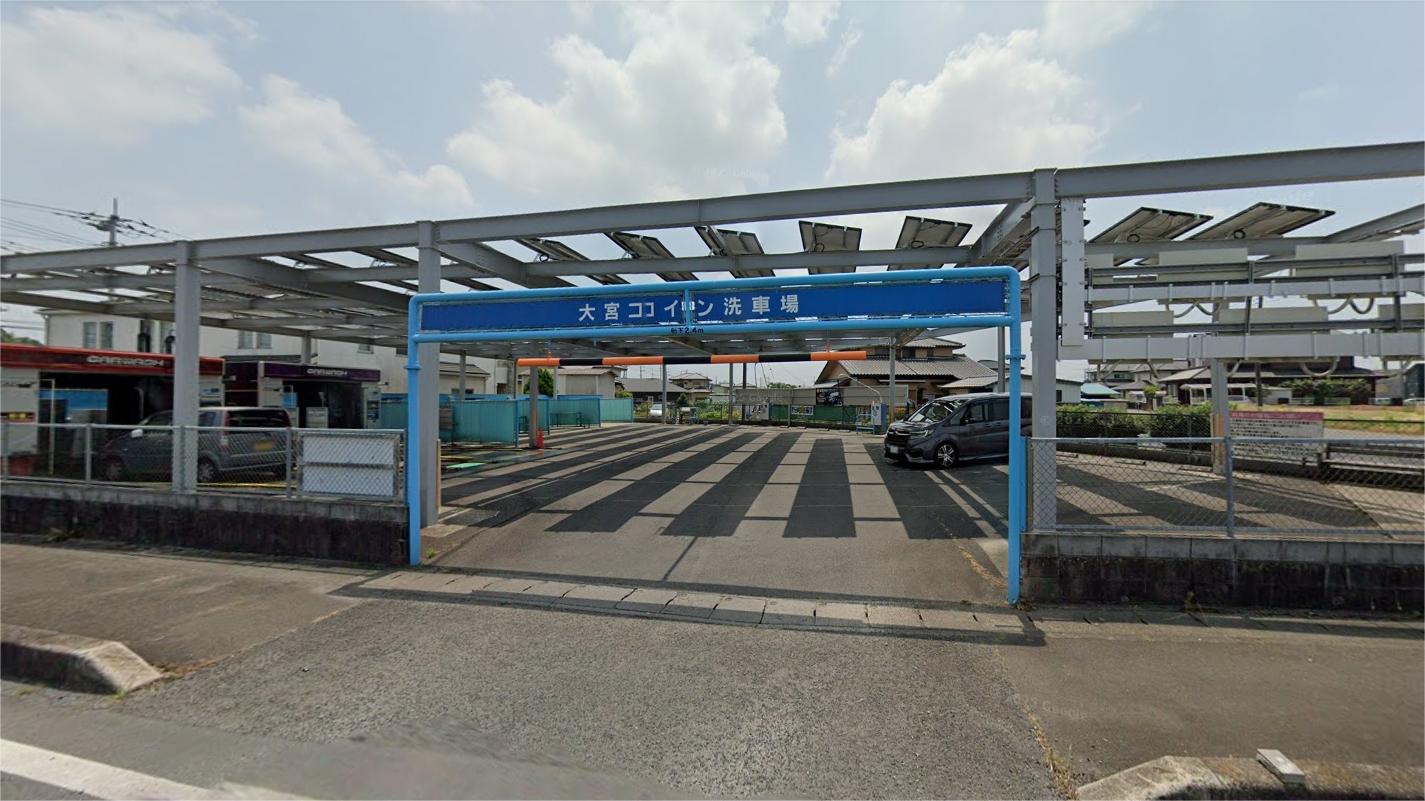
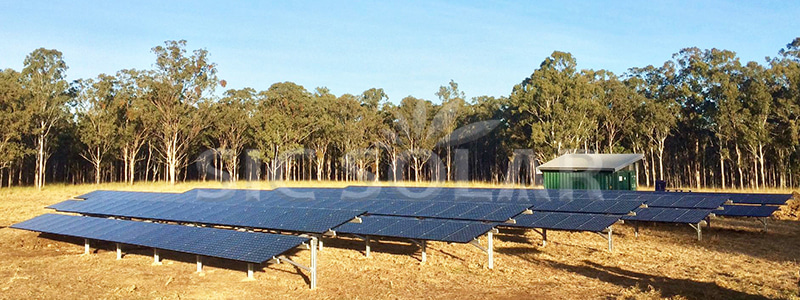
solar panel mounting pole

A solar pole is essentially a stand-alone mounting system where one or more solar panels are attached to a vertical pole anchored into the ground. Depending on the design, the pole may hold a single panel (often called a single-pole mount) or multiple panels arranged in series. The height and orientation of the pole allow for flexible installation in open areas such as fields, parking lots, farms, or even residential yards.

One of the key advantages of solar poles is space efficiency. Unlike large ground-mounted arrays that require significant land, pole-mounted systems can be placed in smaller areas without taking up too much space. They are particularly useful for powering standalone applications like streetlights, water pumps, and communication towers.

Solar poles also allow for better sunlight exposure. Because they are elevated, panels avoid shading from nearby structures or vegetation. Many designs include adjustable tilt mechanisms, enabling seasonal angle changes for maximum energy production. Some advanced systems even incorporate solar tracking, where the panels move with the sun throughout the day to capture more energy.

From an engineering perspective, stability is crucial. Solar poles must withstand heavy winds, rain, and other environmental factors. They are anchored deeply into the ground with concrete foundations or steel supports, ensuring long-term durability. The mounting brackets and clamps used to attach panels to the pole must be designed for strength, safety, and ease of installation.

This is where companies like SIC Solar bring value to the solar industry. As a producer and supplier of photovoltaic mounting structures, SIC Solar provides durable solutions that ensure solar poles are both reliable and efficient. Their focus on precision-engineered brackets and supports makes it easier to deploy pole-mounted systems in a wide range of applications.

Whether for residential, agricultural, or utility use, solar poles represent a versatile option in the solar mounting family. They make renewable energy more accessible in locations where other installation methods might not be suitable, while also offering a reliable and efficient way to generate clean power.

What Is a Floating Solar Array?

As the demand for renewable energy grows, innovation continues to shape how and where solar power can be generated. One of the most exciting developments in recent years is the floating solar array. Unlike traditional rooftop or ground-mounted systems, floating solar involves installing solar panels on bodies of water such as lakes, reservoirs, ponds, or even dams. This unique approach addresses land constraints while unlocking new benefits for both energy and the environment.

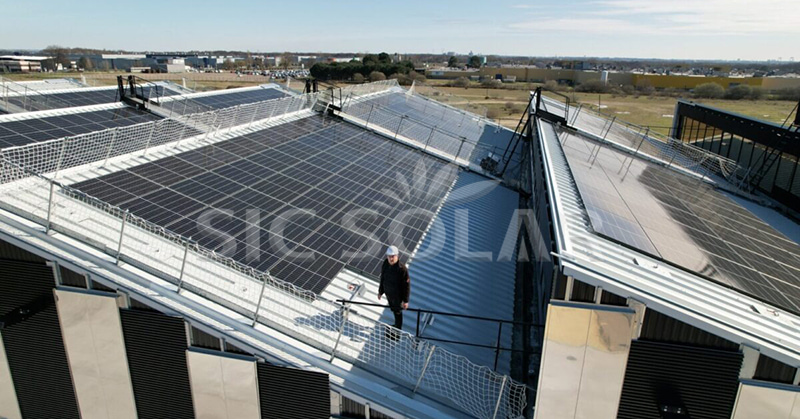
factory floating solar structure

A floating solar array consists of photovoltaic panels mounted on buoyant platforms that rest on the water’s surface. These platforms are anchored to the bottom or shoreline to keep the system stable. Electrical components and inverters are either placed on nearby land or integrated into floating structures. The result is a solar power plant that efficiently converts sunlight into electricity without occupying valuable land space.

One of the biggest advantages of floating solar is land conservation. In densely populated regions, finding suitable land for large-scale solar farms can be a challenge. By using underutilized water surfaces, floating solar frees up land for agriculture, housing, or other infrastructure needs.

Another benefit is increased efficiency. Water has a natural cooling effect on the solar panels, helping them operate at lower temperatures compared to ground-mounted systems. This cooling reduces heat-related efficiency losses, meaning floating panels often generate more electricity over time.

Floating solar arrays can also help reduce water evaporation from reservoirs and ponds, which is particularly valuable in hot or drought-prone regions. The panels provide shade, slowing down evaporation rates while also limiting algae growth that can negatively impact water quality.

From an environmental perspective, floating solar systems minimize habitat disruption since they are built on existing water bodies rather than clearing new land. They also integrate well with existing hydroelectric dams, allowing hybrid systems that combine solar and hydro power.

The durability and safety of a floating solar array depend heavily on the mounting structures used. The platforms must withstand waves, wind, and changing water levels while keeping the panels securely in place. Companies such as SIC Solar, which specializes in manufacturing and selling photovoltaic mounting brackets, play an important role in advancing this technology by providing robust and adaptable solutions. Their expertise ensures that solar panels can perform reliably even in challenging aquatic environments.

Floating solar is not just a clever solution to land shortages—it represents the next step in expanding renewable energy capacity worldwide. By harnessing the untapped potential of water surfaces, it offers a sustainable, efficient, and innovative way to generate clean power for the future.

​Advantages of Square Water Electrolysis Hydrogen Production Systems​

Square water electrolysis hydrogen production systems offer the following significant advantages:

1.High Current Density and High-Efficiency Hydrogen Production​​

Square electrolyzers can easily achieve current densities of 10,000 A/m² or even higher, far exceeding traditional circular electrolyzers (typically around 4,000 A/m²). This translates to faster hydrogen production rates and lower energy consumption per unit. High current density not only reduces electrolyte consumption and electrolyzer volume but also decreases the equipment footprint and capital investment costs.

2.Uniform Flow Field Distribution​​

The utilization of zero-gap electrode plate structures and low-flow-resistance distributed channels ensures a uniform internal flow field distribution and direct fluid flow. This effectively avoids current drift and concentration phenomena, suppresses stray currents, and enhances hydrogen production efficiency and stability.

3.High Safety​​

The atmospheric pressure design significantly reduces the risk of hydrogen leakage, as the leakage rate is markedly lower. The modular design facilitates decentralized handling and relocation, reduces hoisting complexity, and simplifies maintenance and inspection, thereby further enhancing overall safety.

4.Modular Assembly and Flexible Scalability​​

Individual cell units operate independently, enabling independent packaging, convenient handling, and individual replacement of single or multiple cells. This design improves the ease of installation, maintenance, and replacement, and is particularly suited for the flexible expansion requirements of large-scale hydrogen production projects.

5.Wide Load Adaptability​​

The operational load range can reach 10% to 120%, allowing the system to better adapt to the output characteristics of fluctuating power sources like wind and solar PV. It can operate stably even at low loads (e.g., 10%), avoiding frequent shutdowns and electrode damage caused by power fluctuations, thereby effectively improving the utilization efficiency of renewable electricity.

6.Low Operating Costs​​

Atmospheric pressure operation contributes to relatively stable performance and creates more favorable operating conditions for electrode materials and coatings. The comprehensive power consumption is approximately 10% lower compared to pressurized electrolyzers. Concurrently, the modular design reduces maintenance costs; annual maintenance expenses can be significantly lower (e.g., for a 1000 Nm³/h electrolyzer, annual maintenance costs can be controlled below CNY 150,000). The total lifecycle operating cost is over 20% lower than that of pressurized electrolyzers.

7.Long Service Life​​

Employing a filter-press frame design facilitates the renewal of wearing parts and upgrade modifications. The service life can reach over 25 years, aligning with the lifespan of wind and solar power generation facilities and is significantly superior to pressurized electrolyzers (typically 10 years or even 5 years).

In summary, square water electrolysis hydrogen production systems demonstrate significant advantages in safety, efficiency, flexibility, and economy. They are particularly suitable for large-scale wind-solar hydrogen production projects and represent a crucial technological choice for achieving large-scale green hydrogen production.

Impact of Water Quality on Energy Consumption in PEM Electrolytic Hydrogen Production

Proton Exchange Membrane (PEM) electrolysis technology has become one of the mainstream methods due to its high efficiency, large current density, wide temperature adaptability, and fast response speed. Although most research focuses on PEM electrolyzer demonstration, development of new catalysts, or improvements in proton exchange membranes, system and feedwater optimization remain critical challenges. Therefore, this study emphasizes the impact of water quality parameters—including pH, Total Dissolved Solids (TDS), and conductivity—on the energy consumption of PEM electrolyzers to optimize hydrogen production. These parameters are often interrelated and influence electrolysis performance.

The working principle of a PEM electrolyzer involves the electrochemical decomposition of water into hydrogen and oxygen at the electrodes. Since water is the primary reaction medium, its quality directly affects electrolysis efficiency and energy consumption. Key water quality factors include pH, TDS, and conductivity. For example, pH can alter the oxygen reduction reaction potential, thereby affecting energy consumption, but extreme pH levels may cause membrane degradation. Low conductivity may help reduce energy consumption, but excessively high conductivity can damage the membrane. TDS is related to water conductivity and may cause scaling issues. The American Society for Testing and Materials (ASTM) recommends using Type I deionized water (total organic carbon <50 ppb, resistivity >1 MΩ·cm, sodium and chlorine <5 µg/L). However, actual water sources often contain impurities, increasing purification costs. Studies show that no hydrogen is produced when TDS is zero, while high TDS levels (0–2000 ppm) help increase production.

​​1. Impact of pH on Gas Production and Energy Consumption​​

The efficiency of PEM water electrolysis for hydrogen production (including gas production and energy consumption) is closely related to the pH of the electrolyte. The core requirement is that the pH must remain within the "optimal range" designed for the electrolysis system. Deviation from this range (too acidic or too alkaline) will significantly reduce system performance. Overly acidic or alkaline environments can shift catalysts away from their optimal working conditions, reduce their chemical activity, or even cause structural damage, leading to slower hydrogen evolution reaction (HER) and oxygen evolution reaction (OER) rates. Additionally, extreme pH conditions can affect the hydration state and chemical stability of the proton exchange membrane (PEM), hindering efficient H⁺ transport and causing "supply interruptions" of reactants. An overly acidic environment may corrode electrodes and lead to deposits covering active sites, while an overly alkaline environment may cause impurity precipitation, not only increasing wasted energy consumption but also further inhibiting gas generation, resulting in reduced gas production.

​​2. Impact of Total Dissolved Solids (TDS) on Gas Production and Energy Consumption​​

TDS refers to the total concentration of inorganic and organic substances dissolved in water and is a key indicator for assessing water quality. Gas production increases with higher TDS concentrations, as high TDS may act as a catalyst to promote hydrogen formation. Conversely, low TDS levels result in limited gas production, and no hydrogen is produced when TDS is zero.

TDS significantly impacts energy consumption. High TDS increases water conductivity but raises the voltage of the electrolyzer, leading to higher energy consumption. Simultaneously, TDS may cause scaling on electrodes or membranes, reducing efficiency. To mitigate these effects, water treatment technologies (such as reverse osmosis or deionization) are recommended to reduce TDS and optimize energy consumption.

​​3. Impact of Conductivity on Gas Production​​

Conductivity is another important parameter reflecting the ion concentration in water. High conductivity can reduce the overpotential of the anode oxygen reduction reaction (OER), decreasing energy demand. However, excessively high conductivity increases the risk of membrane deterioration and pumping energy consumption.

​​4. Impact of Different Water Qualities on Energy Consumption​​

A comparison of the effects of seawater, well water, and deionized water on PEM electrolyzers:

• ​​Seawater​​: High dissolved salts and minerals increase conductivity but also raise resistance, requiring higher voltage and leading to increased energy consumption.

• ​​Well water​​: Fewer dissolved substances generally result in lower energy consumption than seawater, but the uncertainty in mineral composition poses challenges.

• ​​Deionized water​​: Low conductivity reduces resistance and improves energy efficiency, but the lack of necessary ions requires cautious use based on system design.

​​5. Importance of Water Quality Management​​

PEM water electrolysis often focuses on the electrolyzer itself, yet auxiliary systems (BOP), particularly feedwater management, are equally critical. Optimizing water quality parameters (pH, TDS, conductivity) not only enhances efficiency and gas production but also extends equipment lifespan. Although the BOP for PEM systems is simpler than that of alkaline systems, controlling pure water quality remains a key factor in achieving efficient and stable operation.

Kinsend continuously provides mounting support for photovoltaic projects in Singapore

Kinsend thanks many Singaporean EPC photovoltaic companies for their support, Kinsend with its high-quality solar mounting structure and professional design solutions, we provide the best security guarantee for all cooperative projects.


Advantages of Singapore's Rooftop Solar PV


Geographical and Climatic Advantages

Abundant Sunlight: As a tropical country near the equator, Singapore enjoys stable sunshine year-round, with an average daily peak sunlight hours of 4-4.5 hours, providing excellent natural conditions for solar power generation.


rooftop solar installation company


Core Strategy to Address Land Scarcity

Utilizing Idle Space: With limited land area and no possibility for large-scale ground-mounted solar power plants, leveraging the rooftop space of tens of thousands of public housing (HDB) blocks, industrial buildings, commercial complexes, and private residences is the optimal solution to "turn waste into treasure." This perfectly aligns with Singapore’s "vertical city" development concept.


Economic and Cost Benefits

Reducing Energy Costs: For HDB town councils and businesses, installing solar PV systems significantly lowers electricity costs for public areas (e.g., elevators, lighting, water pumps) or operational expenses. Through the "install-own-operate" model, town councils can enjoy cheaper electricity without upfront investment.


solar roof racking systems


Hedging Against Electricity Price Volatility: Solar power provides a stable energy source, reducing reliance on imported fossil fuels and mitigating the risks associated with fluctuations in international energy prices.

Environmental Benefits and Sustainable Development

Reducing Carbon Footprint: Solar PV is a clean energy source that supports Singapore’s ambitious goal of achieving net-zero emissions by 2050.


Enhancing Urban Resilience: Distributed rooftop solar PV systems contribute to a more decentralized and resilient energy network, reducing over-reliance on centralized power supply.

Green Image: For businesses, using green energy is a key way to fulfill corporate social responsibility (CSR) and meet environmental, social, and governance (ESG) goals, enhancing brand image and international competitiveness.


Strong Government Support and Planning

Policy-Driven: Through the SolarNova program, the government continuously aggregates public sector demand and conducts large-scale tenders, providing a stable and predictable market for the solar industry, attracting investment, and reducing costs.


Clear Targets: The government has set a target to deploy at least 2 gigawatts (GWp) of solar capacity by 2030, with rooftop solar PV as the absolute mainstay. This provides a clear direction for the industry.


For any design requirements of photovoltaic mounting projects, please feel free to contact us  : info@kinsend.com


rooftop photovoltaic system


Aluminum vs. Steel Which Material Is Better for Solar Mounting Structures

When designing a reliable and cost-effective solar PV system, the choice of mounting structure material plays a crucial role. Two of the most common materials used are aluminum and steel—but which one is better?

This article compares the two from key aspects including durability, weight, corrosion resistance, cost, and application scenarios.


1. Durability and Structural Strength

Steel is generally stronger and better suited for large-scale ground-mounted systems where high wind or snow loads are a concern.

Aluminum, while lighter, still offers adequate strength for rooftop and carport applications, especially with proper design.

Verdict: Steel wins in strength, especially for utility-scale and harsh environments.


2. Weight and Ease of Installation

Aluminum is significantly lighter than steel, making it easier and faster to transport and install—especially on rooftops.

Less weight means less stress on the roof and often lower labor costs.

Verdict: Aluminum offers clear advantages in weight-sensitive installations.


3. Corrosion Resistance

Aluminum naturally resists corrosion without the need for additional coating.

Steel requires galvanization or special coatings (e.g., hot-dip galvanized or Zn-Al-Mg) to withstand corrosion, especially in coastal or humid environments.

Verdict: Aluminum is better suited for corrosive environments such as coastal areas and high humidity zones.


4. Cost

Steel is generally more cost-effective in terms of raw material price.

However, aluminum can reduce total costs by lowering transportation and installation time.

Verdict: Steel may win on material price, but aluminum can reduce overall project cost in the right scenario.


5. Application Suitability

In terms of application suitability, aluminum is recommended for rooftop systems and coastal areas due to its lightweight and corrosion resistance.

For large utility-scale farms, steel is typically preferred thanks to its superior strength.

Carports can use either material depending on the specific design requirements.

In regions with heavy snow or wind loads, steel is generally the better choice.


Conclusion

Both aluminum and steel have their own advantages depending on project type and site conditions.

Aluminum is ideal for lightweight, corrosion-resistant rooftop and residential systems, while steel is often the preferred choice for cost-sensitive, large-scale installations requiring higher structural strength.


If you're looking for a reliable solar mounting solution provider, UISOLAR offers both aluminum and steel systems that are certified, customizable, and engineered for long-term durability.


With over 15 years of experience and projects in more than 100 countries, UISOLAR is committed to helping you find the right structure for every solar project—from residential rooftops to utility-scale solar farms.

Celebrating the Lantern Festival A Time for Unity and Bright Beginnings at UISOLAR

As the first full moon of the lunar year rises, we celebrate the Lantern Festival, a cherished tradition that marks the end of the Chinese New Year festivities. At UIsolar, we embrace this time of joy, reflection, and togetherness, and we extend our warmest wishes to you and your loved ones for a Lantern Festival filled with happiness, prosperity, and bright beginnings.


The Lantern Festival, also known as Yuanxiao Festival, is a time-honored celebration of unity and hope. Families gather to enjoy sweet yuanxiao (glutinous rice balls), admire the glow of lanterns, and solve riddles written on them. These traditions remind us of the importance of connection, creativity, and looking forward to a brighter future.


At UISOLAR, we are inspired by the spirit of the Lantern Festival. Just as lanterns light up the night sky, we strive to illuminate new possibilities for our customers and partners  . This festival is a reminder of the strength we find in unity and the joy we create when we come together.


Join Us in Celebrating the Lantern Festival!


As we celebrate the Lantern Festival, we are reminded of the power of light to guide us forward. At UISOLAR, we are committed to being a beacon of innovation, collaboration, and excellence for our community. Thank you for being a part of our journey, and we look forward to achieving new heights together in the year ahead.


Wishing you a Lantern Festival filled with warmth, joy, and endless possibilities!


Clamping hook

The term "clamping hook" in the context of solar installations almost always refers to a key component in the racking system used for mounting solar panels, specifically for standing seam metal roofs.


Here’s a detailed breakdown of what it is, how it works, and why it's important.


1. What is a Clamping Hook?

A clamping hook is a specialized mounting bracket designed to attach solar panel railings to a standing seam metal roof without penetrating the roof membrane.


Clamping: It uses a set of bolts to mechanically clamp onto the raised vertical seam of the roof.


Hook: The top part of the device is shaped like a hook or a cleat that fits over and grabs the seam.


This creates a incredibly strong, durable, and watertight connection point for the solar array.


2. How Does It Work?

The process involves a few key steps:


Positioning: The clamp is placed over the top of the standing seam.


Fastening: Bolts on the side(s) of the clamp are tightened. This forces the clamp's jaws to grip the sides of the seam tightly.


Attaching the Rail: The solar mounting rail is then secured into the channel or onto the base of the installed clamp, often with another bolt.


Mounting the Panel: Finally, the solar panels are attached to the rails with standard panel clamps.


This entire system is mechanical and requires no drilling, welding, or adhesives on the roof seam itself.


3. Key Advantages and Benefits

No Penetration: This is the biggest advantage. It preserves the integrity of the roof and its warranty, as there are no holes that could potentially leak.


Extreme Wind Resistance: Properly installed clamping hooks have very high pull-out strength and are rated to withstand even hurricane-force winds. The connection actually gets stronger as wind tries to lift the panel (upward force tightens the clamp further on the seam).


Speed of Installation: Installation is typically faster than penetrative methods because there's no need to measure, drill, seal, and bolt through the roof deck.


Versatility: Many clamp designs are adjustable to fit a wide range of standing seam profiles (widths and heights), making them compatible with many different roof brands.


Roof Warranty Friendly: Many roofing manufacturers approve the use of specific clamp systems, which can make the solar installation process smoother.