Tailoring the Perfect Fit for Your Roof How to Choose the Optimal Solar Mounting System | Art Sign

When planning a rooftop PV power plant, have you ever wondered why two neighboring factories might have drastically different mounting system designs and initial investments? The key often lies with that “silent guardian” – the solar mounting structure. Choosing the right system is not only the cornerstone of safety but also the first step towards maximizing the economic return on your project.


While owners and investors often focus on the brands of modules and inverters when evaluating a solar quote, the mounting system is frequently overlooked. Yet, this “unassuming” component is fundamental to ensuring 25 years of stable operation for your power station. Today, we will take a deep dive into how to “tailor the perfect fit” for your unique roof, selecting the safest and most economical mounting solution.


I. Flat/Low-Slope Roofs: The Art of Balancing Safety and Cost
Flat roofs are a mainstream scenario for commercial and industrial distributed solar. Here, the core considerations for choosing a mounting system are wind uplift resistance, waterproofing protection, and load control.
Ballasted Systems (Concrete Blocks):
Advantage: Causes absolutely no damage to the roof waterproofing layer, which is its greatest appeal. Offers flexible installation adaptable to various layouts.
Best For: The vast majority of concrete roofs and steel structure roofs with sufficient load-bearing capacity.
Penetrating/Permanent Fixation (Chemical or Mechanical Anchors):
Advantage: Provides the highest connection strength and excellent wind resistance.

Best For: Areas with extremely high wind resistance requirements, or special reinforcement areas like roof parapets.


 Hybrid Systems


Hybrid Systems:
Combine ballast with point attachments. This approach ensures safety while minimizing impact on the roof surface and is a current mainstream trend.
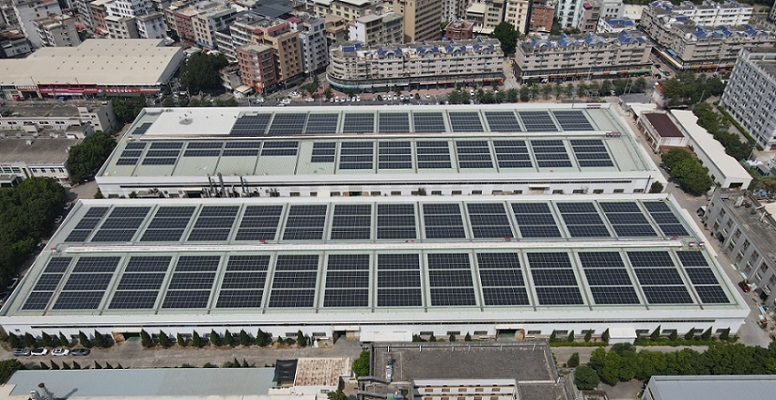
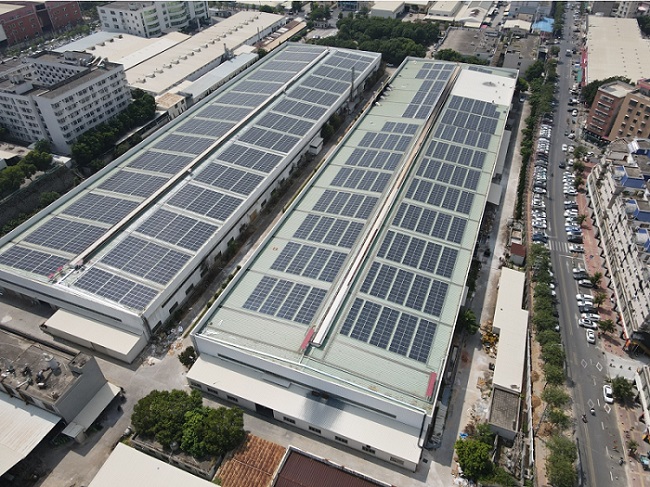
II. Metal (Color Steel Tile) Roofs: The Core Demand is Non-Penetrating Installation
For metal roofs, especially factory buildings with color steel tiles, their lifespan and waterproof integrity are paramount. Mounting installation must adhere to the "non-penetrating" principle.
This is the most mainstream and mature solution. Specially designed clamps attach directly to the peaks or troughs of the steel tiles, requiring no drilling and perfectly protecting the original roof warranty.


Clamp-Based Fixation


Clamp-Based Fixation
Our professional team will match the most suitable clamp for your specific tile profile.
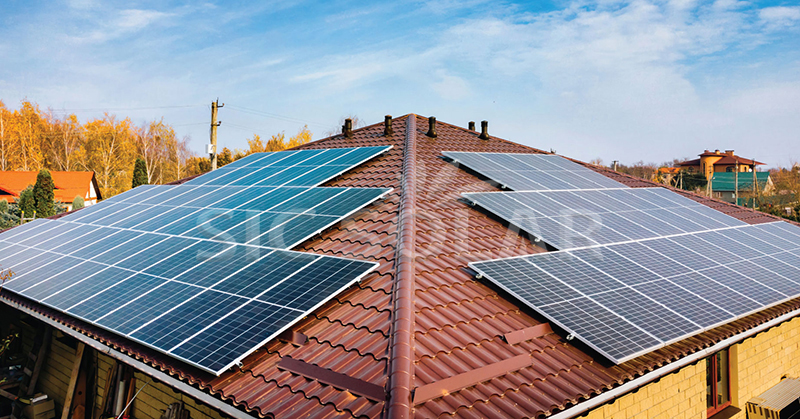
III. Tile/Asphalt Shingle Roofs: Protecting the Shingle Structure and Waterproofing
Common in residential buildings, installation on these roofs requires extra care.
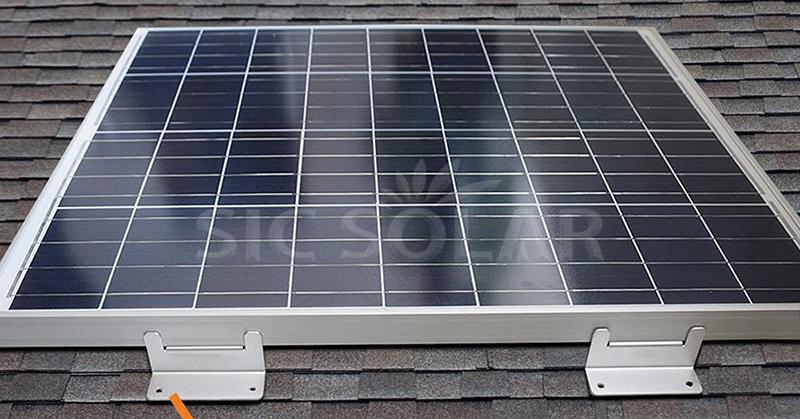
During installation, shingles are gently lifted to secure specialized hooks onto the roof's wooden rafters. The shingles are then replaced. This effectively guides rainwater runoff and distributes load, avoiding damage to the roof structure.


Specialized Hooks


Specialized Hooks

No matter how complex your roof is, a professional mounting system supplier will provide a detailed roof survey and structural assessment service at the project's outset. This is not only the basis for selecting the right mounting system but also the primary step in ensuring the safety of your entire power station investment.
A mounting system is far more than a simple "metal frame." It is the skeleton connecting sunlight to electricity, the safety guardian protecting your green investment. A customized mounting solution "tailored" to your roof means a longer plant lifespan, lower maintenance costs, and a higher overall return on investment.
For any inquiry on solar panel mounting system, please contact us, E-mail: sales@artsign.net.cn, Whatsapp / Wechat / Skype: +0086 180 3023 5875, thank you.


Best Practices for Utility-Scale Solar Mounting Design

When you're setting up solar projects for utilities, you gotta balance how strong the mounts are, how well they work, and how long they'll last. These big setups can cover huge areas and deal with nasty weather, so they need to keep pumping out power for years. If the mounting is designed well, the system will work without issues, and construction and upkeep won't break the bank.

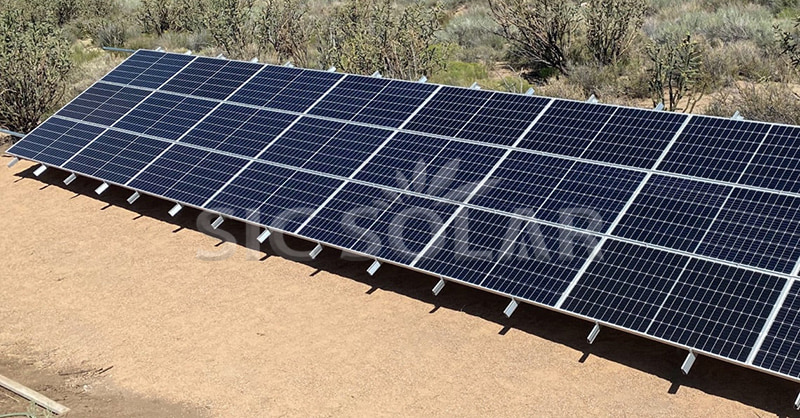
Solar ground mounted projects

Picking the right kind of mount for where you are is super important. If the land is flat and open, folks usually go with fixed-tilt or single-axis tracking systems. Fixed-tilt stuff is easy and cheap, but trackers get you more power 'cause they follow the sun. What kind of soil you have, how steady the ground is, and how windy it gets all play a role in what works best. If it's rocky, you might need foundations you can change or ground screws. If the soil is soft, driven piles could be the way to go.

What you make the mounts out of is also a big deal. Usually, it's galvanized steel or aluminum. Steel is super strong for big stretches, and aluminum doesn't rust as easily and is easier to handle. Lots of companies, like SIC Solar, make mounting systems just for huge projects, focusing on how steady they are, how easy they are to put together, and how long they'll last.

Making the structure just right is also key. Engineers gotta figure out how much wind and snow the system can handle, how big the panels are, and how far apart the rows should be, so the whole thing doesn't fall apart in bad weather. Getting the tilt angle right helps you get the most power without rows shading each other. Designs that let things expand when it's hot and bend a little help keep stress off the array over time. 

Cutting down on installation labor is also huge for these big solar farms. If the parts come pre-made, the layout is simple, and the fasteners are quick to deal with, crews can get things done faster and safer. A simple design cuts down on labor costs and gets the project done sooner, which makes the whole solar plant cheaper.

Don't forget about getting the ground ready. Leveling the surface or tweaking the foundations makes sure everything lines up right and stays put. Good drainage keeps the piles from getting eroded and keeps the structure from shifting over time.

How you manage cables is also important in big setups. If the cables are organized well in trays and clips and routed right, they won't get wrecked by the sun, animals, or water. Good cable planning makes the system work better and makes maintenance easier down the road.

Lastly, think about the long haul. These solar farms should work for 25 to 35 years, so the mounting systems gotta hold up against rust, hot and cold temps, and bending. Working with someone you trust, like SIC Solar, who cares about quality makes sure every part helps the plant last and work well.

If you put together smart materials, look at the site closely, and install things the right way, mounting design becomes the base for solar power that lasts.

How to Make a Floating Solar System?

Floating solar systems, also called floating PV, are a hot choice for places where land is scarce. They're set up on lakes, reservoirs, or other calm waters. These systems give a great energy return and cut down on water loss from evaporation. If you want to put together a floating solar project, you've got to plan carefully, get parts that won't quit, and use a mounting setup that's made for being on the water.

floating solar project

First off, check out the water site. How deep is it? How much does the water level change? How windy is it, and what are the waves like? All this helps you decide what kind of floating platform you'll need. Also, think about the water quality and the local wildlife, so you don't screw things up in the long run.

Once you've checked out the site, pick your floatation platform. Most floating solar systems stick with high-density polyethylene (HDPE) floats. They can handle the sun and don't corrode easily. These floats lock together to make a steady base that holds up the solar modules. If the platform's designed well, it's easy to put together and floats well enough to be safe.

The mounting structure is super important too. Floating solar systems need brackets that won't break from constant movement and water. Companies such as SIC Solar, which produces and sells photovoltaic mounting systems, develop structures suitable for different installation environments, including water-based solutions. Their systems are designed to maintain stability while accommodating slight shifts caused by waves or wind.

After you've got the floating platform and mounting frames set, put the solar panels in at the angle you need to get the most energy. Go for light stuff to keep the whole thing floating well and make it easier to install on the base.

Anchoring is key for keeping the whole system safe. Floating arrays are usually held in place with ropes tied to weights underwater, anchors on the shore, or posts in the seabed. The way you anchor it depends on how deep the water is and how strong the wind gets. Good anchoring means the system stays put, even when there are storms or strong winds.

You also need to plan out the electrics. Cables have to be waterproof, sun-proof, and set up to avoid getting stretched when the platform moves. You can put inverters on the floating platforms, on land nearby, or on their own structures, depending on how big the project is.

Don't forget about how you're going to get to everything for maintenance. Walkable platforms or routes make it easy to check the panels, floats, and anchors.

If you pick good parts, water-safe mounting gear, and a solid anchor system, building a floating solar project can be a smart way to max out solar power on water that's not being used.

How to Reduce Installation Cost in Solar Projects

Cutting install costs is a big deal for getting better returns on solar projects. Labor, shipping, and parts are getting pricier, so developers and installers are really trying to work smarter with system designs and faster mounting options. Businesses like SIC Solar, they make and sell PV mounting stuff, and they're key because they sell stuff to make install easier and quicker.

solar farm projects

First off, to save money on install, pick mounting systems that are simple to put together. When parts are pre-made or cut, it saves a bunch of time on the job site. If things snap together fast, with few tools and steps, installers can do more in less time and cut down on labor costs. Also, light aluminum frames make handling easier and mean less need for big heavy machines.

Another cool trick is planning your system layout well. A clear plan means less wasted materials and shorter cable runs. Racking systems that are well-thought-out, like the things SIC Solar sells, can fit different module sizes and site setups, which makes install smoother.

Cutting down on roof or ground holes is another way to save cash. Using ballasted or adjustable mounts can skip tricky structural work. For flat roofs, low-tilt ballasted systems go in fast without drilling. This saves labor and lowers the chances of problems later on.

Using the same mounting hardware for every project saves money too. When installers know the clamps, rails, and brackets, training is simpler, and keeping track of parts is easier. This keeps mistakes down and speeds things up.

Don't forget shipping stuff. Good packaging, clear labels, and tight shipping save time when unloading and sorting on-site. Lots of modern mounting sellers have kits that show up ready to go, which makes everything faster.

Lastly, picking a solid mounting seller means savings later on. A well-made system cuts down on fixing mistakes, keeps things safe, and avoids hold-ups. Companies like SIC Solar try to make racking that's strong, cheap, and quick to install—those are the things that really change the total project cost.

To cut install costs, you gotta have the right products, plan carefully, and be smart about how you build things. With the right mounting systems and workflows that are dialed in, solar projects get done quicker and cheaper.

Dealing with complex terrains Installation Guide for High-Durability Zn-Al-Mg Coated Photovoltaic Brackets

The installation process requires no earth excavation, significantly reducing ground disturbance and preserving site integrity – a critical factor for sensitive ecosystems or restricted sites.

• Superior Terrain Adaptability: Engineered for reliable performance across diverse and challenging landscapes including fish ponds, flat land, mountains, slopes, mud flats, and inter-tidal zones, where conventional foundations may be impractical or costly.

• Engineered Durability: Structural integrity is ensured through the use of Hot-Dip Galvanized Steel or advanced Zn-Al-Mg Alloy Coated Steel (MAC/ZAM), selected based on specific site corrosivity assessments for long-term performance.

• Streamlined & Standardized Installation Process: The video demonstrates a clear, sequential methodology, highlighting the system's efficiency and potential for rapid, repeatable deployment in the field.

Video Highlights: The Installation Sequence
The video meticulously documents the standardized installation procedure:
1. Pile Positioning & Driving: Precise location marking and driving of PHC spun piles to the specified depth.

2. Column Fixation: Securing front and rear columns to the spun piles using robust clamping hoops and bolts.

3. Structural Frame Assembly: Installing the crossarm (connecting columns), followed by the diagonal beams (fixed to columns), and reinforcing with diagonal braces (bolted between columns and beams).

4. Purlin Support & Placement: Attaching purlin brackets to beams, then sequentially installing purlins.

5. Module Mounting: Securing solar panels to the purlins using designated mid and end clamps.

6. Scalable Array Construction: Efficient replication of the support unit structure to complete the solar array.


Flexible Solar Support Systems A Standardized Installation Approach for Complex Terrain

Precision and efficiency in installation are paramount for PV projects deployed across challenging landscapes. Our newly released video provides an in-depth look at the complete installation process of an innovative flexible support system.

This solution is engineered for irregular terrains such as mountains, hills, deserts, and ponds, making it suitable for diverse applications including sewage treatment plants, agri-photovoltaic, and fishery-solar hybrid projects. The core cable-truss structure ensures superior wind resistance, underpinning the long-term reliability of the installation.

Steps:
1. Precise foundation casting & embedding
2. Oriented installation of side columns
3. Assembling brace rods & steel strand cross-ties
4. Installing pre-fabricated middle columns & bracing tubes
5. Configuring bracing rods & cross-ties for middle columns
6. Securing bottom beams at end anchor piles
7. Connecting anchoring threaded steel rods
8. Laying main steel strands
9. Fastening with U-bolts and strand tensioning
10. Secure mounting of PV modules


Installation Video of BIPV Curtain Wall

Solar First Group is pleased to present our latest instructional animation detailing the standardized installation process for Building Integrated Photovoltaics (BIPV) curtain wall systems.

The installation process demonstrated includes:
• Precise positioning and installation of embedded parts (chemical bolts, expansion bolts, or embedded bolts)
• Welding of base components—including corner and L-shaped bases—fitted with rubber padding for structural integrity
• Column installation featuring pre-assembled rubber strips and external angle compensation strips fixed with self-tapping screws
• Crossbeam installation with pre-installed rubber strips, mounted angle codes, and rear cover plates
• Secure thin-film module fixation using pressure seats equipped with rubber strips and self-tapping screws, followed by cover plate attachment

About Solar First Group:
As a national high-tech enterprise specializing in renewable energy, our credentials include:
✔ 6 invention patents and over 60 utility model patents
✔ 2 software copyrights
✔ ISO 9001, ISO 14001, and ISO 45001 certifications
✔ Recognition as a “Specialized, Refined, Unique, and Innovative” enterprise and a “Technology Giant” based in Xiamen

Our diverse portfolio—encompassing solar power generation systems, integrated smart energy solutions, trackers, floating PV, BIPV, and flexible mounting structures—has been deployed in more than 100 countries.

Installation Video of Ground Mount(Cast in Place)

The foundation of any successful ground-mount solar project lies in its structural integrity and precision installation.
We are proud to showcase the meticulous installation process of our cast-in-place pile ground mount system. This method ensures the greatest stability and lifespan, protecting our clients' investments for the next decade or so.

Introduction
✅Step 1 - First, dig holes on the ground with equipment. The depth of the holes is determined according to the drawings.
✅Step 2 - Put the pile in the hole and fixed with a bracket, and then the concrete is poured into the hole.
✅Step 3 - Connect the triangular connector to the upper column, then fix the upper column to the pile.
✅Step 4 - Secure the clamp to the upper column.
✅Step 5 - Fix the purlin bracket to the inclined beam.
✅Step 6 - Then, overlap the inclined beam with the triangular connector, and fix the inclined brace between the inclined beam and the clamp.
✅Step 7 - Install the column tie rod and diagonal beam tie rod.
✅Step 8 - The purlins are connected in sequence with purlin connectors and purlin tie rods are installed.
✅Step 9 - Finally, solar panels are bolted to the purlins

A reliable installation system is key to maximizing the energy output and lifespan of solar assets.

We focus on providing solar energy solutions for commercial and utility-scale projects. Let's talk about how to support your next renewable energy plan.

Installation Video of Rooftop Mount (Adjustable Legs)

Struggling to optimize solar panel angles on metal roofs? 

Introducing the Adjustable Legs System – engineered for both residential and commercial projects, designed to maximize efficiency while maintaining structural integrity. 💪


 ✅Adaptable Tilt Adjustment: Features innovative telescoping tubes for precise angle optimization to enhance energy generation 

 ✅ Lightweight Yet Durable: Constructed from high-strength aluminum alloy to minimize roof load while ensuring long-term safety 

 ✅Universal Compatibility: Suitable for all types of metal roofs, whether sloped or flat 

 ✅Versatile Mounting Options: Supports both penetrating and non-penetrating installation methods 

 ✅Streamlined Workflow: Simplifies the entire installation process to save time and labor costs 


Web: www.esolarfirst.com | www.pvsolarfirst.com 🌐


Installation Video of Rooftop Mount (Angular Roof Solution)

Installation Video of Rooftop Mount (Angular Roof Solution)
Core value
• Patented non-perforation design - fully maintains the waterproof performance of the roof and eliminates the risk of leakage

• Lightweight aluminum - 40% lighter than traditional solutions, significantly reducing structural loads

• Customized adaptation solutions - Supporting the world's mainstream right-angle roof panel types

Installation innovation
The modular design enables single-person installation, reducing working hours by 30%
Supports 5°-30° tilt Angle adjustment to optimize power generation efficiency

Web: www.esolarfirst.com www.pvsolarfirst.com