What Are the Key Features of Solar Mounting Solutions for Utility-Scale Projects?

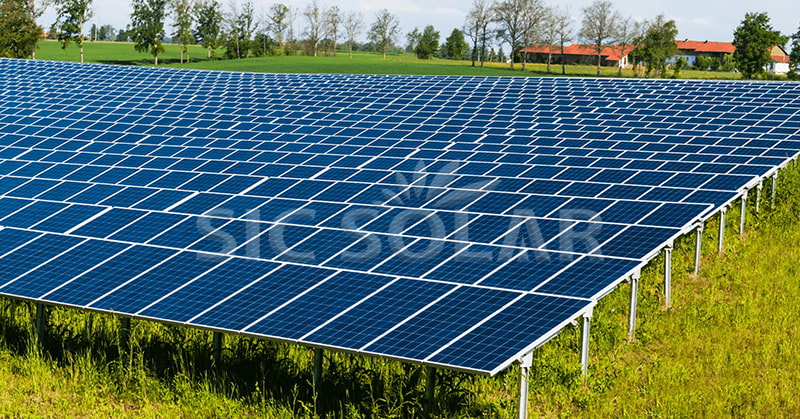
Utility-scale solar projects—large installations designed to power communities, cities, or industries—demand mounting systems that combine strength, precision, and cost efficiency. The scale of these projects means every component, from the foundation to the panel alignment, must be optimized for performance and longevity. The quality of the solar mounting solution directly affects the project’s output, installation speed, and maintenance requirements.
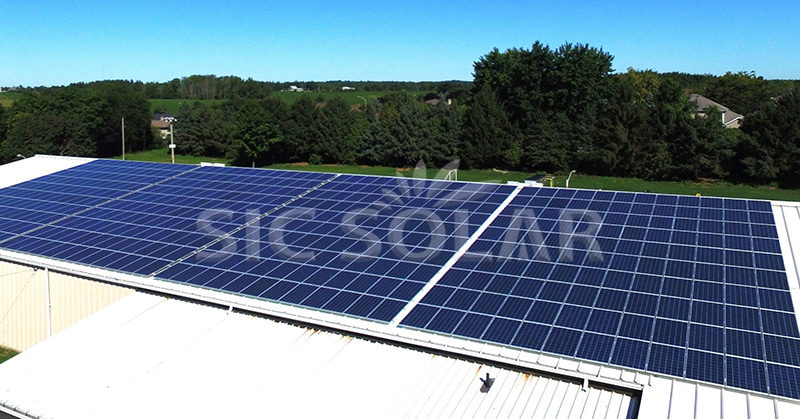
pitched roof solar mounting

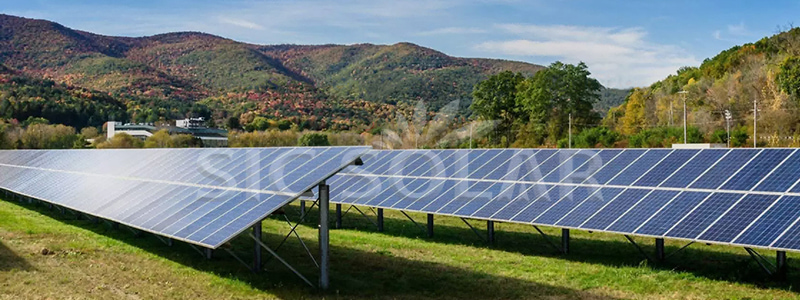
One of the most important features of a mounting system for utility-scale projects is structural durability. Large solar farms are often built in open, exposed environments—deserts, plains, or coastal regions—where wind speeds and temperature fluctuations can be extreme. To withstand these conditions, manufacturers like SIC Solar design their mounting systems using high-strength aluminum or galvanized steel with anti-corrosion coatings. This ensures that the structures remain stable and reliable throughout decades of operation, even under harsh weather.

Another essential feature is adaptability to terrain. Unlike rooftop systems, ground-mounted utility projects may cover uneven or sloped land. Advanced mounting systems are designed with adjustable angles and customizable foundations to accommodate site conditions. Depending on the soil type and topography, developers may choose between ground screw foundations, concrete piers, or pile-driven supports. This flexibility allows efficient installation across different geographical environments without compromising system stability.

Ease of installation is also a key design consideration. Utility projects can involve tens of thousands of solar panels, and reducing installation time directly translates into lower labor costs. Mounting manufacturers like SIC Solar develop pre-assembled or modular mounting structures that minimize on-site work. Fewer components, simplified connections, and standardized assembly procedures make large-scale deployment faster and more efficient.

Another defining feature of utility-scale mounting systems is precision alignment. The angle and orientation of each panel must be optimized to capture maximum solar radiation. Many modern systems are compatible with single-axis or dual-axis tracking technologies, which allow panels to follow the sun’s movement throughout the day. High-quality mounting structures must maintain this alignment accuracy while supporting the dynamic motion of the trackers, requiring strong mechanical integrity and durable moving parts.

Corrosion resistance and low maintenance are equally critical. Utility-scale systems are designed for long lifespans—often exceeding 25 years. To ensure such durability, mounting components must resist moisture, UV exposure, and chemical reactions. SIC Solar employs advanced surface treatments and high-grade materials that reduce wear and extend system life, reducing the total cost of ownership over time.

Another emerging feature is the focus on sustainability and recyclability. As the renewable energy sector grows, the environmental impact of mounting materials is gaining attention. Lightweight, recyclable aluminum frames and minimal concrete use are becoming standard choices for eco-conscious developers.

Finally, compatibility and scalability are key. A well-designed mounting solution must integrate seamlessly with various panel sizes, cable management systems, and grounding setups. Utility-scale projects often expand in phases, so the ability to scale up efficiently without design changes is a valuable feature.

In essence, utility-scale solar mounting systems must balance strength, adaptability, and cost efficiency. Through careful engineering and material innovation, companies like SIC Solar deliver solutions that meet the demands of large-scale renewable energy projects worldwide. Their focus on durability, flexibility, and fast installation ensures that solar farms operate efficiently and reliably, contributing to global clean energy development.
What Type of Roof Is Not Good for Solar Panels?

Not every roof is suitable for solar panel installation. The type, age, and condition of your roof all affect how safely and efficiently panels can be mounted. While most modern mounting systems—like those developed by SIC Solar, a manufacturer of photovoltaic mounting structures—are adaptable, some roof types still pose challenges.

One of the least suitable roof types for solar is wood shake or slate roofing. Both materials are fragile and can crack easily when installers drill or fasten mounts. This can lead to water leaks and structural issues over time. Because of their uneven surface, securely fixing solar brackets becomes difficult, making ground-mounted or alternative installations a safer option.

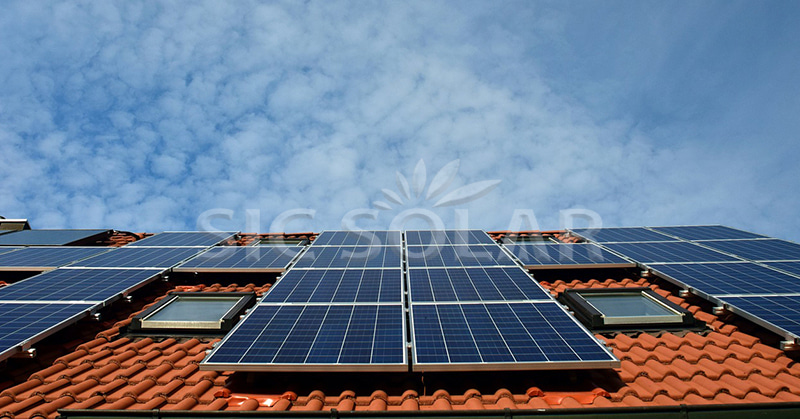
Clay tile roofs can also be complicated. Although they are durable and aesthetically appealing, their curved shapes require special hooks or replacement tiles to support solar panels. Improper handling can result in broken tiles or compromised waterproofing. Mounting systems like those from SIC Solar are designed with adjustable hooks that minimize roof penetration and reduce the risk of damage, but the process still requires professional skill.

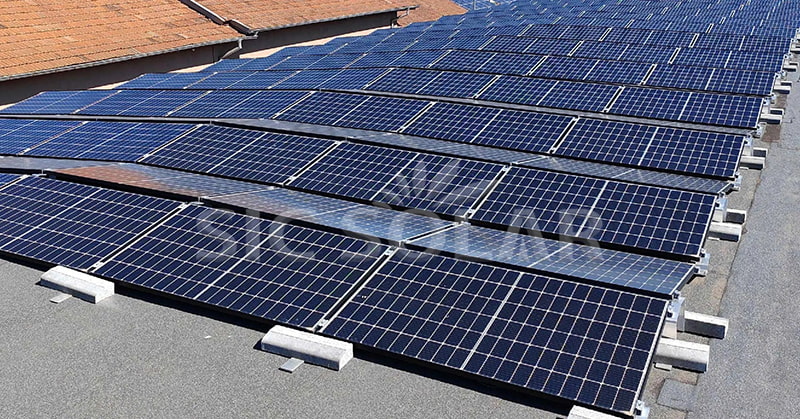
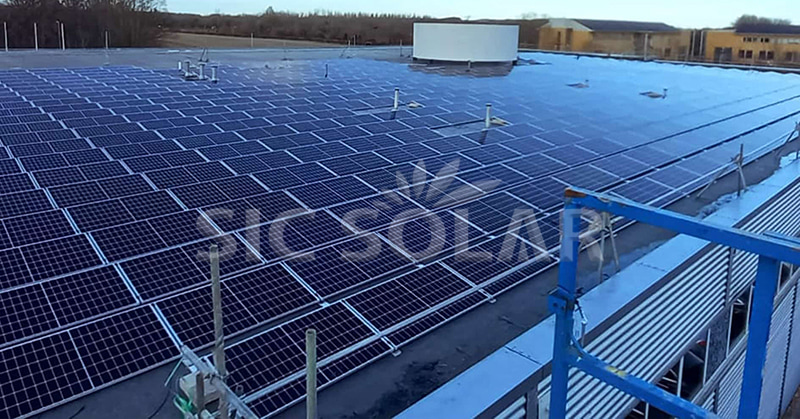
Flat roofs are another category that needs careful attention. While they offer flexibility in panel orientation, poor drainage or weak structure can cause water pooling and load-bearing problems. Ballasted or tilt mounting systems work best here, as they avoid excessive drilling and distribute weight evenly. However, installers must ensure the roof can handle the added load before installation.

solar panels for flat roofs

Thatched roofs are unsuitable for solar installations altogether. They are flammable, soft, and uneven, making it unsafe to mount any heavy or heat-generating equipment on them.

Even asphalt shingle roofs, though widely used and generally good for solar, can become problematic if they are too old or damaged. Cracked or curled shingles reduce mounting stability and may require roof repair or replacement before adding solar panels.

Besides the roof material, orientation and shading are key considerations. Roofs that face away from the sun or are heavily shaded by trees and nearby buildings won’t produce optimal energy. Similarly, roofs with extreme slopes can make installation more difficult and increase labor costs.

In these cases, choosing a reliable and well-engineered mounting system is crucial. SIC Solar provides mounting structures made from high-strength aluminum and stainless steel, offering corrosion resistance and long-term durability. Their designs adapt to different roof types while ensuring both safety and performance.

While some roofs are naturally more solar-friendly than others, the right technology and professional installation can make a significant difference. Selecting durable, roof-specific mounting solutions helps ensure stable, efficient energy generation for years to come.

Which Type of Mounting System Is Preferred for Flat Roofs?

Flat roofs provide a convenient and accessible space for installing solar panels, making them popular among both commercial and residential property owners. However, the challenge lies in selecting the right type of mounting system that ensures maximum energy generation, structural safety, and long-term durability. The best choice often depends on factors such as roof material, wind load, building height, and the desired tilt angle.

For flat roofs, ballasted solar mounting systems are among the most widely used solutions. These systems rely on weight—usually concrete blocks—to secure the solar panels in place without drilling holes into the roof surface. This non-penetrating design minimizes the risk of water leakage and damage to waterproof membranes, which is a major concern in flat roof installations. Ballasted systems are especially popular for commercial buildings with strong load-bearing capacity. Companies like SIC Solar, a professional manufacturer and supplier of photovoltaic mounting systems, produce durable and precisely engineered ballasted racking systems that ensure structural stability while keeping installation simple and efficient.

triangle system flat roof solar mounting

Another preferred option is the tilt mounting system. Since flat roofs do not have a natural angle to capture sunlight efficiently, tilt frames are used to position panels at an optimal angle—typically between 10° and 30°—to enhance energy output. Adjustable tilt systems allow installers to fine-tune the angle according to geographic location and seasonal changes, improving solar performance throughout the year. SIC Solar’s aluminum tilt mounts are designed for easy assembly and lightweight handling, making them ideal for both new and retrofit installations.

In some cases, penetrative mounting systems are chosen when additional security is needed. These systems use mechanical fasteners that anchor directly into the roof structure, providing higher resistance against strong winds and seismic activity. To prevent water intrusion, installers apply specialized flashing and sealing materials around the penetrations. While penetrative systems require more planning and waterproofing, they are well-suited for regions with extreme weather conditions or for buildings where ballast load capacity is limited.

A newer and increasingly popular choice is the hybrid mounting system, which combines partial ballasting with mechanical attachments. This design provides a balance between load management and wind resistance. By anchoring only specific points and using fewer ballast blocks, hybrid systems reduce roof stress while maintaining stability and minimizing the risk of uplift during high winds.

Material selection also plays a vital role in the performance of flat roof mounting systems. Aluminum is often favored for its light weight, corrosion resistance, and ease of installation. Galvanized steel structures, on the other hand, offer superior strength for larger commercial projects. SIC Solar integrates both materials in its mounting solutions, ensuring long-lasting performance with excellent mechanical properties.

Another consideration for flat roof installations is aerodynamic design. Advanced systems use low-profile racking and deflectors that help reduce wind pressure on the panels. This not only enhances safety but also decreases the need for excessive ballast weight, making installation faster and more cost-effective.

Cable management and drainage are additional features that distinguish high-quality mounting systems. Efficient wire routing minimizes shading and electrical hazards, while elevated support rails allow proper water runoff to prevent pooling and damage to the roof membrane.

When choosing the preferred mounting system for a flat roof, one must balance aesthetics, structural integrity, and performance efficiency. Systems that minimize roof penetration and optimize solar orientation tend to deliver the best long-term results.

Through continuous design improvement and testing, SIC Solar provides a range of flat roof mounting options that meet different project needs—from lightweight residential systems to large-scale commercial arrays. Their solutions are built for quick installation, stability under diverse weather conditions, and maximum energy capture, offering a reliable foundation for sustainable solar investment.

Differences between CONSNANT industrial UPS systems and commercial UPS systems

Commercial UPS systems are designed for use in IT applications, such as computer rooms and data centre environments. They are intended to provide power protection for electronic equipment, such as servers, workstations, and networking equipment, and to prevent data loss or corruption in the event of a power outage.


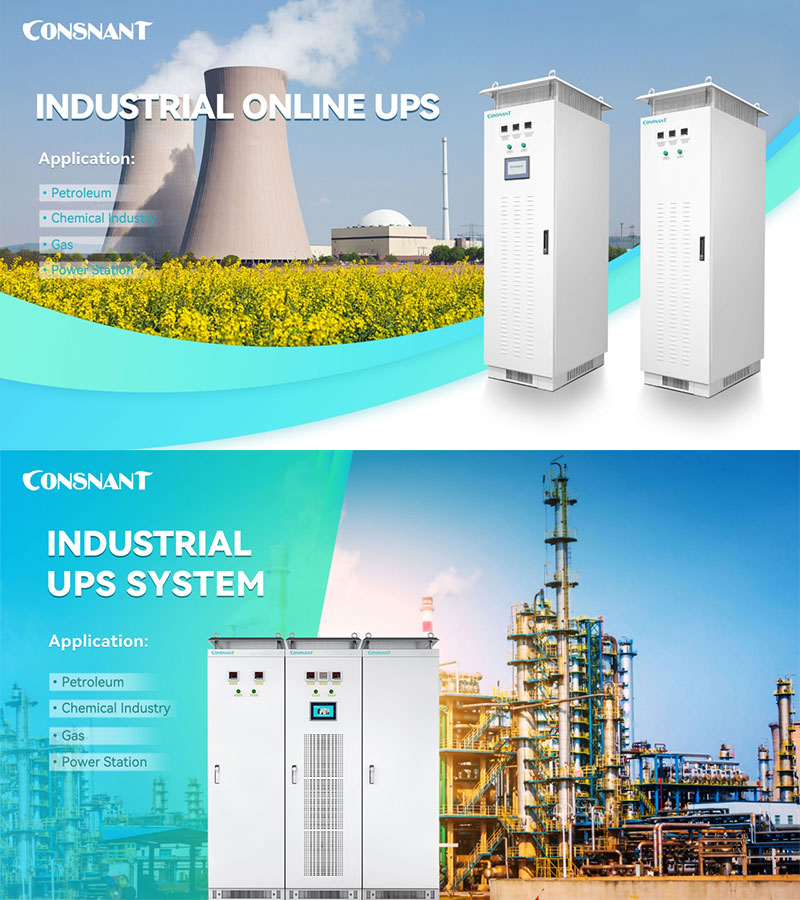
On the other hand, CONSNANT Industrial UPS systems are designed for use in more demanding environments, such as those found in critical process control, like a nuclear power plant or an oil rig. These environments require a more robust and reliable power protection solution due to the critical nature of the processes and the potential consequences of power outages.


CONSNANT Industrial UPS systems are designed and performance tested to a more rigorous level than commercial systems. They are built to withstand harsh environments and extreme temperatures, and they can tolerate moderate amounts of non-conductive dust. These industrial UPS have to have longer battery runtime, redundant and parallel systems, and the possibility to connect with different kinds of generators.

Furthermore, in industrial environments, the interruption of AC power may cause dangerous chemical process instability or cause expensive damage to processing systems. whereas in light industrial applications, like pharmaceutical manufacturers or in the food and beverage industry, loss of AC power may not present a dangerous situation but the loss of product and production time can be costly.


Overall, the choice between commercial and industrial UPS systems will depend on the specific requirements of the application and the level of power protection that is needed. It's important to have a good understanding of the environment and loads that will be connected to the UPS to ensure that the appropriate system is selected.


Core Difference Comparison Table

Feature/Dimension Commercial UPS Industrial UPS
Design Goal & Core Philosophy Cost-effectiveness, Space Efficiency, Ease of Use Maximum Reliability (MTBF), Durability, Maintainability
Typical Application Scenarios Data Centers, Server Rooms,
Network Closets, Office Computers, POS Systems
Petrochemical, Power Generation, Steel, Manufacturing,Transportation, Maritime, Mining, Semiconductor Plants
Load Type IT Equipment (Servers, Switches, Storage, etc.) Industrial Control Systems (DCS/PLC/SCADA), Motors, Variable Frequency Drives, Actuators
Operating Environment Clean, Controlled Environment
Temperature: 0-40°C
Humidity: Relatively Stable
No Conductive Dust
Harsh, Severe Environment
Temperature: -20 to +55°C or wider
Humidity: Can be very high or low
Presence of Dust, Oil, Corrosive Gases, Vibration
Input Voltage Range Relatively Narrow, requires good grid quality Very Wide, can tolerate severe grid fluctuations (e.g., ±25% or higher)
Input Harmonic Handling Optional feature, maybe low on standard models Typically standard with high-level input filters, prevents polluting the grid, meets strict standards
Output Performance Stable voltage, suitable for resistive loads High surge capability, can handle inrush currents from inductive loads like motor starts
Battery & Runtime Standard short runtime (5-15 mins), batteries internal or in same room Long backup time design (several hours), uses industrial spill-proof batteries, separate battery cabinets possible
Construction & Cooling Compact chassis, Fan Cooling, front-in/rear-out airflow Robust steel structure, High IP Protection Rating (e.g., IP42), Sealed cabinets, forced air duct cooling
Maintainability & MTTR Modular design (some models), but requires on-site specialist repair Fully modular, hot-swappable design, very short Mean Time To Repair (MTTR), supports online maintenance
Lifecycle & Cost Shorter lifecycle (3-5 years), Lower initial cost Long lifecycle (10-20 years), High initial cost, but lower Total Cost of Ownership (TCO)


CONSNANT Industrial UPS Typical Application:

  • Manufacturing
  • Power generation and distribution
  • Transportation
  • Oil and gas
  • Medical
  • Government and military facilities
  • Industrial automation

Industrial Online UPS System

Outdoor UPS applications in Kuwait municipal transportation stations

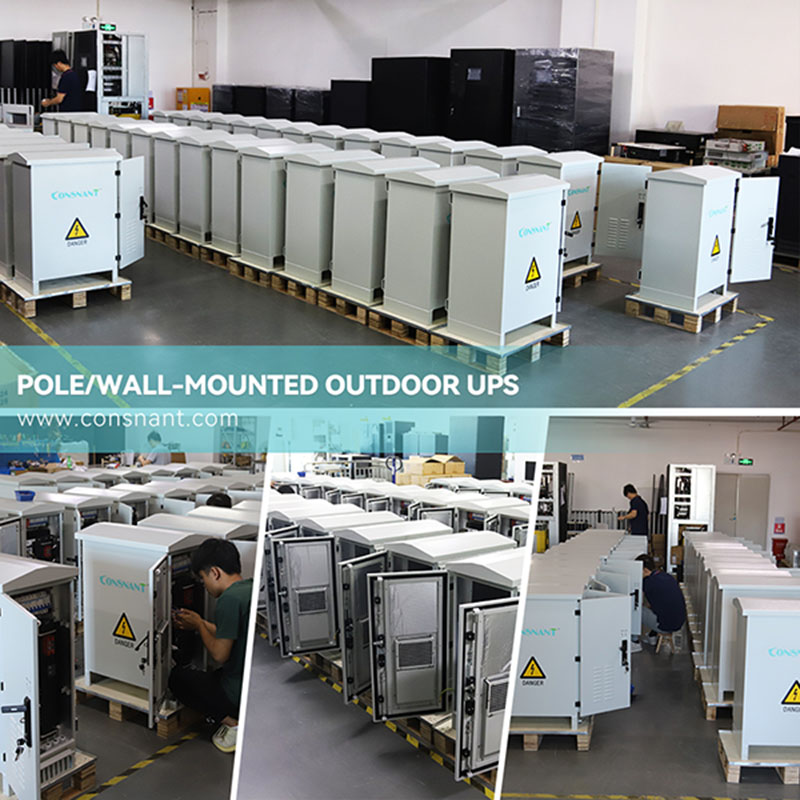
As CONSNANT—a professional import and export manufacturer of outdoor UPS power supplies with rich experience in outdoor power solutions and a professional technical team—we are committed to solving the core power challenges of Kuwait municipal transportation stations. Our outdoor UPS products have become the reliable choice for local transportation infrastructure, supported by three core selling points.

 Outdoor ups

First, extreme environment adaptability tailored to Kuwait’s climate. Kuwait faces year-round high temperatures, high humidity, and frequent sandstorms—harsh conditions that test outdoor power equipment. CONSNANT’s outdoor UPS adopts a high-temperature-resistant shell and an IP55-standard dustproof and waterproof design, enabling stable long-term operation in environments ranging from -20℃ to 60℃. It effectively resists sand erosion and sudden rain, ensuring uninterrupted power for transportation station systems (e.g., ticket services, monitoring equipment, and broadcast systems) regardless of weather.


Second, customized solutions matching municipal transportation scenarios. Leveraging CONSNANT’s rich experience in outdoor power solutions, we tailor UPS configurations to the actual power needs of different Kuwait municipal transportation stations (traffic lights, road monitoring, CCTV, etc.). Whether for short-term backup power during peak passenger flow or long-term continuous power for emergency equipment, we deliver flexible solutions. Our professional technical team also conducts on-site surveys to ensure the UPS system perfectly aligns with the station’s power grid layout.


Third, efficient after-sales support and import-export service advantages. As an import and export manufacturer, CONSNANT has a mature logistics and customs clearance system, guaranteeing on-time product delivery to Kuwait while meeting local import standards. Additionally, we provide 24/7 online technical consultation and on-site maintenance services in Kuwait. Our technical team responds quickly to power failures, minimizing transportation station downtime, and offers long-term product maintenance plans to reduce the later operational costs of municipal departments.


Choosing CONSNANT’s outdoor UPS means choosing stable, reliable, and customized power protection for Kuwait municipal transportation stations—empowering the safe and efficient operation of local transportation infrastructure.

Can Floating Solar Withstand Storms?

Floating solar, also known as floating photovoltaic (FPV) systems, has become one of the most exciting innovations in renewable energy. By placing solar panels on bodies of water—such as reservoirs, lakes, and dams—floating solar offers a way to generate clean power while saving valuable land space. However, one common question arises when considering these systems: Can floating solar installations withstand storms and harsh weather conditions?

The short answer is yes—when properly designed and installed, floating solar systems can perform reliably even in challenging environments. Their ability to endure extreme weather largely depends on the quality of the floating structure, anchoring system, and mounting components used in the project.

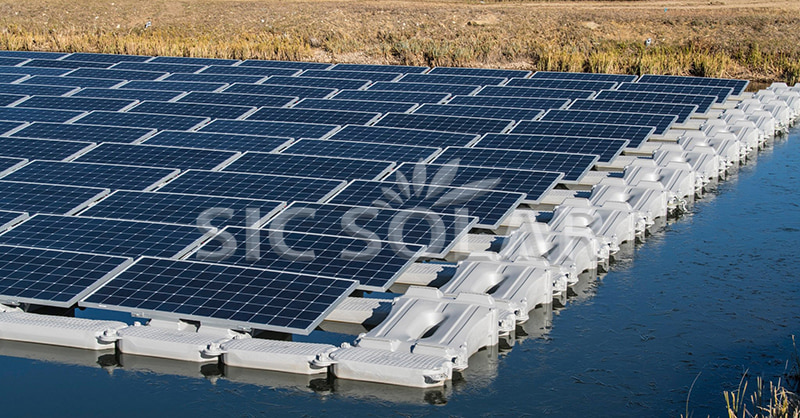
Floating solar systems face unique stresses compared to land-based arrays. Strong winds, waves, and fluctuating water levels can all impact the stability of the system. That’s why the engineering design of the mounting system plays a critical role. Companies like SIC Solar, which specialize in producing durable and corrosion-resistant photovoltaic mounting systems, develop customized floating platforms that can handle high wind speeds and heavy rain. Their mounting solutions are typically made from UV-resistant, high-density polyethylene (HDPE) floats combined with robust aluminum or stainless-steel structures to ensure long-term strength and buoyancy.

solar panel floating pv structure

A key factor in withstanding storms is the anchoring design. Anchors and mooring lines must be precisely engineered to prevent excessive movement of the floating array. The anchoring system must account for variations in water depth, wind direction, and wave height. Engineers often use dynamic simulations to predict how the system will behave under storm conditions, allowing them to fine-tune the anchoring points and cable tensions.

Moreover, the hydrodynamic stability of the floating platforms ensures that they can flex and move slightly with the water rather than resisting it completely. This flexibility reduces stress on the panels and connections, allowing the system to absorb wind and wave forces safely. High-quality floating solar systems also include drainage designs that prevent water accumulation, which could otherwise increase the load during heavy rainfall.

Testing and certification also play a big part in ensuring durability. Reputable floating solar mounting manufacturers test their systems according to international standards for wind and load resistance. For example, floating arrays are often evaluated for wind speeds up to 150 km/h or more, depending on the project’s location. Components like brackets, bolts, and connectors must meet strict corrosion and UV resistance standards to ensure long service life, especially in humid or saline environments.

In coastal areas or regions prone to tropical storms, additional design reinforcements may be applied. These can include double anchoring systems, stronger mooring lines, and reinforced frame structures. Maintenance also becomes crucial—routine inspections of the anchors, floats, and connectors help detect early signs of wear and ensure continued stability.

Ultimately, while no system is completely immune to extreme weather, modern floating solar technology has advanced significantly to ensure resilience. With expert design, high-quality materials, and proper installation, floating solar arrays can withstand storms and continue operating efficiently for decades. Companies like SIC Solar provide reliable, weather-resistant mounting solutions that make floating solar not only feasible but also sustainable in a wide range of environments—from calm reservoirs to areas with seasonal storms.

Can Solar Panels Be Installed on a Sloped Roof?

One of the most common questions homeowners and business owners ask when considering solar power is whether solar panels can be installed on a sloped roof. The answer is a definite yes. In fact, sloped roofs are among the most popular and practical locations for solar panel installations because they often provide excellent exposure to sunlight and natural water drainage.

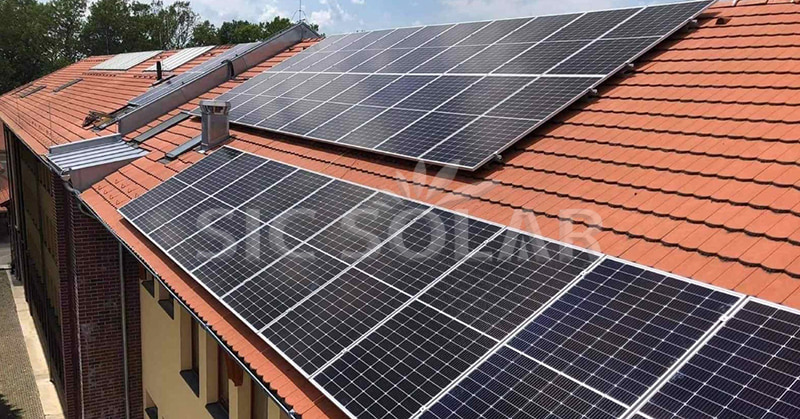
pitched roof solar mount

A sloped roof offers distinct advantages for solar power systems. The tilt of the roof helps panels capture more sunlight, especially when oriented toward the direction that receives the most sun throughout the day. In the northern hemisphere, south-facing slopes tend to perform best, while north-facing roofs are ideal in the southern hemisphere. This natural angle reduces the need for complex mounting structures to achieve the optimal tilt for energy production.

However, mounting solar panels on a sloped roof requires careful planning and specialized hardware. The key lies in selecting the right solar mounting system, which ensures both safety and efficiency. Mounting systems are designed to securely attach the panels to the roof while maintaining the correct alignment for maximum power generation. These systems also prevent damage to roofing materials and provide strong resistance against wind uplift or heavy rain.

For tile, metal, or shingle roofs, different mounting approaches are used. For instance, solar roof hooks are commonly applied to tiled roofs, while standing seam clamps allow installation on metal roofs without drilling holes. These methods help preserve the integrity of the roof while keeping the panels firmly anchored. Choosing a reliable and high-quality mounting solution is crucial to the system’s long-term stability and performance.

Companies like SIC Solar, a trusted manufacturer of photovoltaic mounting systems, provide a variety of solutions specifically designed for sloped roofs. Their aluminum and stainless-steel racking systems are corrosion-resistant, lightweight, and easy to install. By offering adaptable designs for different roof types, SIC Solar helps ensure that each installation can meet both structural and aesthetic requirements.

In addition to safety and durability, properly installed sloped-roof solar systems are also easier to maintain. Rainwater naturally helps clean the panels, reducing the buildup of dirt and debris that can block sunlight. Moreover, the elevated position of sloped panels allows better airflow beneath them, which can enhance cooling and improve efficiency during hot seasons.

When planning a solar installation on a sloped roof, engineers assess factors such as roof angle, material, load capacity, and shading. Professional mounting solutions help accommodate these variables while ensuring a clean, low-profile appearance that complements the building’s architecture.

Ultimately, sloped roofs are not a barrier to solar adoption — they are an opportunity. With advanced mounting technology and reliable products from manufacturers like SIC Solar, installing solar panels on sloped roofs is both practical and efficient, providing a long-lasting foundation for renewable energy generation.

How Can Advanced Solar Mounting Designs Help Reduce Labor Costs for Installers?

In the solar industry, time is money. As global demand for clean energy continues to grow, solar installation companies are under pressure to deliver efficient, high-quality projects in shorter timeframes. One of the most effective ways to cut down costs and improve productivity is through the use of advanced solar mounting designs. These innovations simplify installation, minimize the need for specialized tools, and reduce labor-intensive tasks on-site.

solar pv mounting

Traditional solar mounting systems often require multiple steps, precise alignment, and numerous components that must be assembled piece by piece. This can slow down installation crews, increase the risk of errors, and demand more experienced labor. In contrast, modern solar mounting solutions are engineered for simplicity, offering pre-assembled or modular systems that make setup faster and easier.

Pre-assembled components are one of the biggest time-savers. Instead of spending hours sorting, aligning, and connecting parts, installers can use mounting brackets, rails, and clamps that arrive ready to install. Many systems now feature “click-in” or “slide-in” mechanisms that eliminate the need for drilling or complex bolting. These user-friendly designs not only reduce installation time but also help maintain consistency and quality across projects.

Another innovation that improves efficiency is the use of lightweight materials such as aluminum alloys. These materials are strong yet easy to handle, cutting down on the physical strain for workers and speeding up transportation and assembly. At the same time, precision manufacturing ensures that components fit perfectly together, reducing the need for on-site adjustments or rework.

Companies like SIC Solar, a professional manufacturer of photovoltaic mounting systems, are helping lead this transformation. Their product range includes advanced roof and ground mounting solutions designed for quick installation, stability, and adaptability across diverse project environments. By optimizing structure design and minimizing the number of required components, SIC Solar enables installation teams to complete more work with less effort and fewer man-hours.

Additionally, advanced designs now integrate cable management features directly into the mounting systems. This eliminates the need for separate clips and ties, reducing the number of installation steps while maintaining a clean and safe setup. Some systems also include adjustable tilt angles or modular bases, which allow flexibility across uneven terrains and roof types without adding extra parts or labor.

Fewer parts, lighter materials, and faster connections all translate into significant savings. Installers can finish more projects within the same timeframe, lower their labor costs, and reduce overall project expenses—without compromising quality or durability.

By embracing advanced mounting designs from experienced suppliers like SIC Solar, the solar industry is not only improving installation efficiency but also making clean energy deployment more scalable, reliable, and cost-effective worldwide.

How Do Extreme Weather Conditions Affect the Longevity of Solar Mounting Systems?

Solar mounting systems are the backbone of any photovoltaic installation, responsible for supporting solar panels securely in place for decades. However, their long-term performance heavily depends on how well they can withstand extreme weather conditions. From intense heat and heavy snow to high winds and coastal humidity, the environment plays a crucial role in determining the durability and reliability of these systems.

mounting systems solar

In regions with high temperatures, metal expansion can put stress on joints, bolts, and rails if materials are not properly engineered. Prolonged exposure to UV rays can also cause degradation in non-metal components such as seals or gaskets. This is why selecting corrosion-resistant and thermally stable materials—like anodized aluminum or stainless steel—is essential. SIC Solar, a professional manufacturer of photovoltaic mounting systems, produces structures made from high-grade aluminum and galvanized steel that maintain structural integrity even under prolonged heat exposure.

Conversely, in cold and snowy climates, solar mounting systems face the challenge of added weight from snow accumulation and potential ice formation. The mounting structure must be designed to handle these loads without deformation. A robust snow load capacity, combined with an optimized tilt angle, helps the snow slide off easily, reducing the risk of damage. Additionally, proper material selection prevents brittleness that can occur in freezing temperatures.

Strong winds and storms are another major concern. In hurricane-prone areas, systems must resist uplift forces and lateral pressure. Poorly designed or low-quality mounts can fail during extreme wind events, leading to costly repairs or complete system loss. High-quality racking systems undergo rigorous wind tunnel testing to ensure they can withstand intense gusts and shifting pressure zones. Manufacturers like SIC Solar develop mounting solutions that comply with international standards, providing enhanced stability and safety in harsh environments.

Coastal and humid regions present yet another challenge—corrosion. Salt-laden air can accelerate metal corrosion, especially in areas near the ocean. To combat this, advanced surface treatments such as anodizing and hot-dip galvanizing are crucial. These coatings protect against rust and extend the lifespan of the solar mounting structure.

In desert regions, where sand and dust storms are common, abrasion can erode the surface of mounting components and reduce their lifespan. Anti-corrosion coatings and smooth surface finishes minimize this effect, ensuring that the mounting frames retain both strength and appearance over time.

Ultimately, the longevity of a solar mounting system depends not only on its design but also on how well it is adapted to local environmental conditions. Choosing a system with superior material quality, precise engineering, and proven resistance to extreme weather is vital for long-term performance.

Companies like SIC Solar continue to innovate by producing versatile mounting structures tested for durability in diverse climates. Whether installed in desert heat, coastal humidity, or snowy mountain regions, their solutions help ensure that solar systems remain stable, efficient, and safe for decades of clean energy generation.

What Are the Benefits of Using Economical Solar Mounting Solutions in Commercial Installations?

In the world of solar energy, the efficiency of a system isn’t only determined by the quality of the panels — the mounting structure plays an equally important role. For commercial solar projects, where scale and cost efficiency are critical, choosing economical solar mounting solutions can significantly enhance both performance and profitability. A well-designed, cost-effective mounting system ensures stability, reduces installation time, and optimizes return on investment over the system’s lifetime.

roof solar mounting systems

One of the primary benefits of economical solar mounting systems is reduced installation cost. In large commercial setups, hundreds or even thousands of panels must be installed. The labor and hardware required can quickly add up. Economical mounting systems, such as pre-assembled or easy-to-install structures, help cut down on on-site labor, minimizing overall installation expenses without sacrificing quality or safety.

Another key advantage is versatility. Commercial rooftops and grounds often vary in structure, material, and load capacity. Economical mounting systems are typically designed to be adaptable — compatible with flat roofs, pitched surfaces, and open-field installations. This flexibility allows engineers and installers to work efficiently across different projects while maintaining a consistent level of performance and reliability.

Durability also plays a vital role in cost efficiency. A low-cost product that fails early can lead to expensive repairs and downtime. That’s why it’s essential to choose systems that are not just affordable but also built with strong materials like aluminum or stainless steel. SIC Solar, a professional manufacturer of photovoltaic mounting systems, understands this balance well. The company produces reliable, long-lasting mounting structures that are both economical and durable, designed to withstand various environmental conditions — from heavy rain to high winds.

Furthermore, economical mounting solutions can improve project timelines. Systems with standardized components and modular designs allow for faster assembly, enabling commercial projects to be completed ahead of schedule. This not only saves on labor costs but also allows energy generation — and revenue — to start sooner.

From an engineering perspective, efficient mounting structures also contribute to better system performance. By maintaining the optimal tilt and orientation of solar panels, these systems help maximize sunlight exposure, ensuring consistent energy output over time. In commercial projects where every kilowatt-hour counts, this can make a measurable difference in energy yield and cost savings.

The long-term financial benefit of economical solar mounting solutions lies in their balance of affordability, reliability, and performance. When businesses select systems from experienced manufacturers like SIC Solar, they gain access to high-quality materials, expert design support, and flexible installation options that align with diverse commercial needs.

By investing in the right mounting infrastructure, commercial solar projects can reduce upfront costs while ensuring decades of reliable operation. Economical doesn’t have to mean inferior — with smart engineering and trusted suppliers, it simply means efficient, effective, and sustainable.