Is it worth using energy storage batteries at home?

Under the general trend of energy transformation and sustainable development, more and more families are beginning to pay attention to home energy storage systems, especially the application of home energy storage batteries. As a professional manufacturer of battery energy storage products, GreenMore is well aware of the importance users attach to energy independence, electricity cost control and environmental protection needs. So, is it worth it for families to use energy storage batteries? This article will provide you with an in-depth analysis from multiple dimensions.

1. What is a household energy storage battery?

Home energy storage batteries are devices that can store electrical energy and release it when needed, usually used in conjunction with solar photovoltaic systems. GreenMore's home energy storage batteries include wall-mounted energy storage batteries, stacked energy storage batteries, integrated energy storage batteries and other forms, with capacities ranging from 5kWh, 10kWh, 15kWh, and 20kWh, and support customized capacity to meet the electricity needs of different households.

2. Why are more and more families choosing energy storage batteries?

  • Save electricity costs

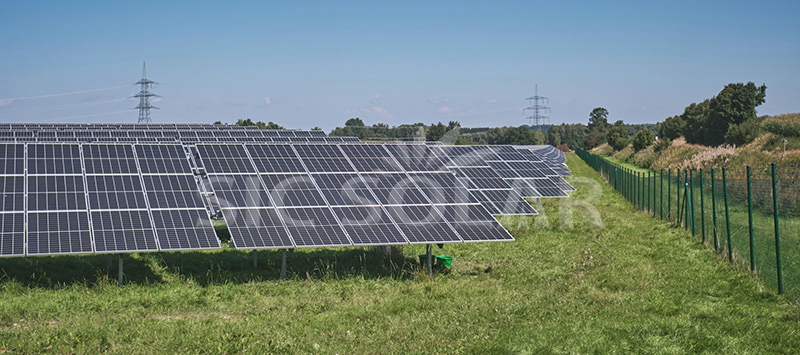
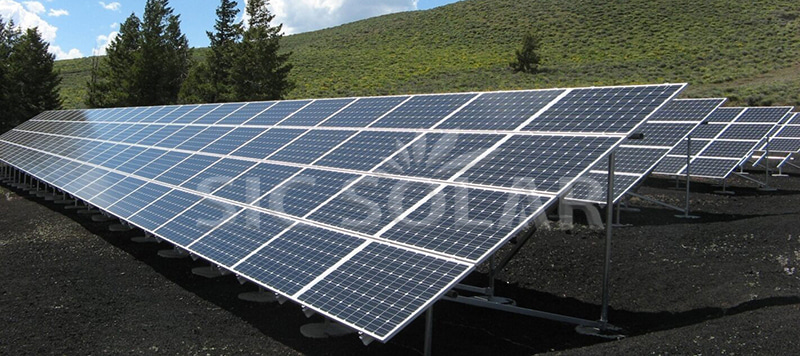
By combining it with a solar power generation system, photovoltaic panels are used to generate electricity during the day and stored in energy storage batteries, which are then released for use at night or on cloudy days. This can greatly reduce dependence on grid electricity and significantly reduce monthly electricity bills.

The GreenMore energy storage system has high energy density and long cycle life, ensuring efficient and stable power supply.

  • Improving energy independence

After installing energy storage batteries, households can maintain basic electricity consumption when the power grid is out, achieving energy self-sufficiency. Especially in areas with unstable power supply, energy storage systems are an important tool to ensure quality of life.

  • Environmental protection and energy saving, helping achieve carbon neutrality

Green energy + energy storage system is the key combination to achieve a "zero-carbon home". By reducing dependence on fossil fuel power generation, energy storage batteries help reduce carbon emissions and contribute to global environmental protection.


Home energy storage system


3. Are home energy storage batteries really cost-effective?

This is the most concerned issue for many users. We analyze it from the following aspects:

βœ… Initial investment vs long term returns

Although the initial investment in energy storage systems is high, the overall cost is decreasing year by year with technological progress and policy support (such as government subsidies, tax exemptions, etc.). Taking the GreenMore energy storage system as an example, its cycle life can reach more than 6,000 times and its service life can reach more than 10 years, which has a good cost-effectiveness in the long run.

βœ… Is it suitable for your family?

  • Does your home have a photovoltaic power generation system?
  • Are electricity prices high in your area?
  • Do you experience frequent power outages?
  • Are you pursuing a low-carbon lifestyle?

If you answered “yes” to at least two of the above questions, then installing a home energy storage battery is well worth it.

4. Unique advantages of GreenMore home energy storage system

As a professional and trustworthy energy storage product manufacturer, GreenMore is committed to providing high-quality, high-performance home energy storage solutions to customers around the world. Our product advantages include:

Modular design: easy to expand and maintain, meeting future upgrade requirements

Intelligent management system: real-time monitoring of power, automatic mode switching, easy operation

Safe and reliable: using high-quality lithium iron phosphate batteries, with multiple safety mechanisms such as overload protection and short circuit protection

Wide applicability: Suitable for various home scenarios, from small houses to villas, it can be flexibly deployed

Customized service: Provide personalized capacity configuration and system integration solutions according to customer needs

5. How to choose a suitable home energy storage system?

When purchasing energy storage batteries, it is recommended to consider the following aspects:

Considerations suggestion
Capacity Select the appropriate capacity based on daily power consumption and photovoltaic system power
Cycle life Prioritize products with high cycle times and long lifespan
System compatibility Ensure compatibility with existing PV systems or inverters
Intelligent management function Support remote monitoring, automatic charging and discharging and other functions are more practical
After-sales service Choose a brand with a complete after-sales service system

GreenMore provides comprehensive technical support and after-sales services to help you easily complete system installation and subsequent operation and maintenance.

6. Home use of energy storage batteries is the future trend

In the context of the global energy structure transformation, home energy storage systems are gradually becoming an indispensable part of modern families. It not only brings economic returns, but also is an important step towards green living and achieving energy freedom.

If you are considering installing energy storage batteries for your home, you might as well choose GreenMore. We have a rich product line, strong R&D capabilities and a complete after-sales service system, and are committed to providing efficient, safe and intelligent energy storage solutions to users around the world.


Maximizing Solar Efficiency with Energy Storage Systems

In today's world, the demand for sustainable energy solutions is at an all-time high. One of the most promising technologies in this field is the Energy Storage System, which plays a crucial role in optimizing the efficiency and reliability of renewable energy sources such as solar power systems with battery storage. These systems are not only environmentally friendly but also offer cost-effective solutions for both residential and commercial energy needs.


solar power systems with battery storage


When it comes to solar power systems with battery storage, the benefits are manifold. By incorporating energy storage systems into solar panel installations, users can store excess energy generated during the day for use during peak demand periods or at night. This not only increases self-consumption but also reduces dependency on the grid, resulting in significant cost savings in the long run.

Speaking of cost, solar panels with battery storage have become increasingly affordable in recent years. The initial investment may seem daunting, but the long-term savings on electricity bills and potential incentives can make it a worthwhile financial decision. Understanding the solar battery storage system cost and exploring options like the Generac PWRcell can help individuals and businesses make informed choices based on their energy needs and budget.


solar panels with battery storage cost


The solar storage battery cost may vary depending on factors like capacity, brand, and additional features. However, the overall trend indicates a decrease in prices as technology advances and demand grows. Investing in a reliable energy storage system not only benefits the environment but also adds value to properties and promotes energy independence.


solar battery storage system cost


Enter GreenMore+ Energy Storage System—a comprehensive solution that combines cutting-edge technology with exceptional service. Not only does GreenMore offer top-of-the-line products like the Generac PWRcell at competitive prices, but it also provides unparalleled customer support and maintenance services. With GreenMore, you're not just investing in an energy storage system; you're gaining a trusted partner committed to your energy needs.

In conclusion, the future of sustainable energy lies in the seamless integration of solar power systems with battery storage. By understanding the solar panels with battery storage cost, solar battery storage system cost, and the benefits of solutions like the Generac PWRcell, individuals and businesses can make informed decisions that align with their sustainability goals and financial objectives. With GreenMore+ Energy Storage System, the possibilities for a greener, more efficient future are limitless.


Solar Roof Tiles Explained Stylish Design Meets Sustainable Power

Introduction

Homeowners today are looking for energy solutions that combine sustainability, efficiency, and aesthetic appeal. Traditional solar panels have long been the go-to option, but solar roof tiles are quickly emerging as a stylish alternative. At GreenMore, we believe that solar technology should not only power your home but also enhance its design.


What Are Solar Roof Tiles?

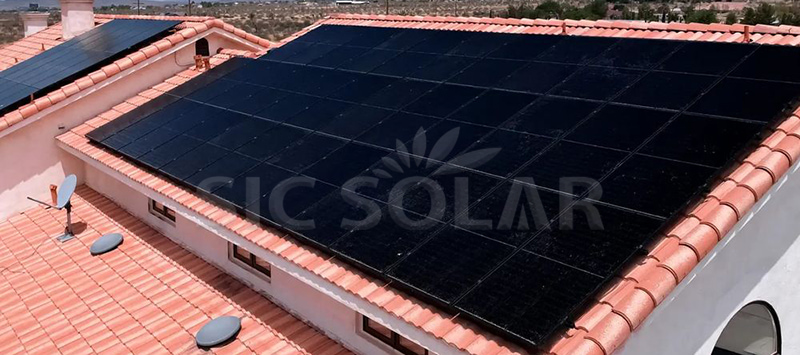
Solar roof tiles, also known as solar shingles, are advanced photovoltaic modules designed to look and function like traditional roofing materials. Unlike bulky panels, these tiles integrate seamlessly into your roof, offering:

  • Stylish design that blends with modern architecture

  • Durable roofing protection against weather conditions

  • Efficient solar power generation for household energy needs


Benefits of Solar Roof Tiles

1. Stylish Design

Solar roof tiles are engineered to complement your home’s architecture. Whether you prefer a sleek modern look or a traditional style, GreenMore’s solar roof solutions ensure your roof remains visually appealing.

2. Sustainable Power

By converting sunlight into electricity, solar roof tiles reduce reliance on fossil fuels. Pairing them with GreenMore home energy storage systems allows you to store excess energy for use at night or during power outages.

3. Long-Term Savings

Installing solar roof tiles can significantly lower electricity bills. With rising energy costs, homeowners can achieve energy independence and enjoy long-term savings.

4. Durability and Protection

GreenMore’s solar roof tiles are built to withstand harsh weather conditions, offering both roof protection and renewable energy generation.


Solar Roof Tiles vs. Traditional Solar Panels

Feature Solar Roof Tiles Traditional Solar Panels
Design Seamless, stylish integration Mounted, visible panels
Durability Dual function: roof + power Primarily power generation
Installation Integrated into roofing Added on top of roof
Aesthetic Appeal High Moderate

Why Choose GreenMore Solar Roof Tiles?

At GreenMore, we specialize in solar roof tiles, home energy storage systems, and commercial solar solutions. Our products are designed to deliver:

  • High efficiency with advanced photovoltaic technology

  • Seamless integration with your home’s design

  • Reliable performance backed by GreenMore’s expertise

By combining solar roof tiles with GreenMore’s household storage batteries, you can achieve complete energy independence and contribute to a greener future.


Conclusion

Solar roof tiles represent the perfect balance between stylish design and sustainable power. With GreenMore’s innovative solutions, homeowners can enjoy a roof that not only protects but also powers their home.

πŸ‘‰ Ready to transform your home with solar roof tiles? Explore GreenMore’s full range of solar energy systems at gmsolarkit.com.

The difference between energy storage inverter and off-grid inverter

With the rapid development of renewable energy and energy storage technologies, energy storage inverters and off-grid inverters, core components of power conversion, often cause confusion due to their similar functions. As a professional energy storage equipment manufacturer, GreenMore, drawing on over 10 years of industry experience, provides an in-depth analysis of the differences between the two from the perspectives of technical principles, application scenarios, and system design, helping users accurately select the appropriate solution.

1. Technical Principle

An energy storage inverter is essentially a bidirectional DC/AC converter. Its core function is to achieve bidirectional flow of electrical energy:

  • Grid-connected mode: Converts direct current (DC) power from solar and wind power sources into alternating current (AC) and integrates it into the grid. This also supports reverse charging from the grid, enabling peak-shaving and valley-filling energy scheduling. For example, GreenMore's commercial and industrial energy storage system uses energy storage inverters to charge during low-price periods and discharge during peak periods, reducing corporate electricity costs.
  • Off-grid mode: Automatically switches to standalone power supply mode in the event of a grid failure, providing stable power to critical loads. GreenMore's outdoor liquid-cooled energy storage cabinets utilize this technology to ensure continuous power supply in data centers, hospitals, and other scenarios.
  • Intelligent Control: Integrating a BMS (Battery Management System) and EMS (Energy Management System) to monitor battery status, grid frequency, and load demand in real time, dynamically adjusting charging and discharging strategies. For example, GreenMore's containerized energy storage battery cabinet uses AI algorithms to optimize battery life, extending cycle times by over 6,000.

An off-grid inverter is a unidirectional DC/AC converter designed for scenarios where there is no grid or the grid is unstable.

  • Independent operation: Completely disconnected from the public grid, a microgrid is constructed using solar panels and energy storage batteries. For example, GreenMore provides home wall-mounted energy storage systems (5KWh/10KWh) to remote villages in Africa, paired with off-grid inverters to provide 24-hour stable power supply.
  • Pure sine wave output: Utilizing high-frequency PWM modulation technology, the output voltage waveform is consistent with the mains supply, making it compatible with inductive loads such as air conditioners and refrigerators. GreenMore's stacked energy storage batteries (15KWh/30KWh) drive the entire village lighting system via an off-grid inverter, with a distortion rate of less than 3%.
  • Modular design: Supports parallel connection of multiple units to expand power and adapt to loads of varying sizes. For example, GreenMore's GM-DP0100 off-grid inverter can output 10kW per phase and supports parallel operation of nine units for a maximum output of 90kW, meeting industrial and commercial emergency power needs.
The difference between energy storage inverter and off-grid inverter
Function Energy storage inverter Off-grid inverter
Grid connection Support grid-connected, off-grid and hybrid modes Only supports off-grid mode
Energy flow Bidirectional (charge and discharge can be switched freely) Mainly one-way (discharge)
System integration Can collaborate intelligently with photovoltaics, batteries, and power grids Usually operates independently and has low integration
Intelligent Support remote monitoring, peak-valley dispatching, and power grid support Simple functions, focusing on basic power supply
Adapt to the scene Urban households, industrial and commercial users, microgrids Areas without power grid, temporary power supply


off grid solar inverter

2. Application Scenarios

Energy storage inverter

  • Home scenario: Suitable for users already connected to the grid who want to reduce electricity costs and increase energy self-sufficiency. GreenMore's home energy storage system uses a storage inverter to achieve a triple power supply of "photovoltaic + energy storage + grid", increasing the proportion of self-use electricity to over 80%.
  • Commercial and industrial scenarios: Used for peak-valley arbitrage, demand response, and backup power. For example, a manufacturing company used GreenMore's outdoor air-cooled energy storage cabinet (645kWh) with an energy storage inverter, saving over 500,000 yuan in annual electricity costs while meeting the local grid's frequency regulation needs.
  • Large-scale power plants: As core equipment in solar and wind energy storage systems, they participate in grid peak and frequency regulation. GreenMore's containerized energy storage battery cabinets (2MWh) have been operating stably for over five years in multiple megawatt-scale projects worldwide.

Off-grid inverter

  • Remote Area Power Supply: Providing electricity to off-grid areas such as mountainous areas, islands, and deserts. GreenMore's off-grid energy storage system deployed on Southeast Asian islands replaces diesel generators with solar power and off-grid inverters, reducing carbon emissions by over 200 tons annually.
  • Mobile emergency power supply: Suitable for campers, yachts, temporary construction sites, and other scenarios. GreenMore's portable energy storage battery (5KWh) paired with an off-grid inverter can simultaneously power devices such as rice cookers and projectors.
  • Critical Load Protection: Providing uninterruptible power supply (UPS) for hospitals, data centers, and other applications. GreenMore's liquid-cooled energy storage cabinets achieve millisecond switching via off-grid inverters, ensuring zero interruption to critical equipment.

3. System Design

Energy storage inverter

  • Protection level: Industrial and commercial applications must withstand harsh outdoor environments and must meet IP65 or higher protection levels. GreenMore's energy storage inverter features a dust- and water-resistant design and can operate stably in temperatures ranging from -30°C to 55°C.
  • Communication protocols: Supports multiple protocols such as Modbus, CAN, and RS485, enabling seamless integration with third-party devices. For example, GreenMore's EMS integrates with the factory energy management system via OPC UA, enabling visualization of energy consumption across the entire plant.
  • Scalability: Supports parallel connection of battery clusters and inverters, allowing flexible capacity expansion up to the MW level. GreenMore's containerized energy storage system features a modular design, with customizable single-cabinet capacities ranging from 215kWh to 3.44MWh.

Off-grid inverter

  • Protection level: Primarily for indoor installation, the protection level is typically IP20. GreenMore's home wall-mounted energy storage system uses a fire-resistant ABS casing and is UL94 V-0 certified.
  • Redundant design: Key components use dual backup, such as GreenMore’s Xantrex XW series inverters equipped with dual CPU control boards, with a failure rate of less than 0.1%.
  • User-Friendliness: Equipped with an LCD display and mobile app, the system provides real-time monitoring of system status. For example, users can remotely adjust charging strategies and optimize energy utilization through the GreenMore app.

4. How to choose? GreenMore’s customized suggestions

  1. For those with grid access who want to reduce costs and increase efficiency: Energy storage inverters are preferred, paired with GreenMore's home/commercial energy storage systems to achieve "self-generation for own use + surplus power access to the grid."
  2. No grid or unstable grid: Choose an off-grid inverter and pair it with GreenMore's wall-mounted/stacked energy storage batteries to build an independent microgrid.
  3. Special needs: GreenMore provides customized services, such as designing anti-condensation energy storage inverters for high-altitude areas and developing corrosion-resistant off-grid systems for offshore platforms.

Conclusion

While energy storage inverters and off-grid inverters are both power conversion devices, their technology approaches and application scenarios are distinct. Leveraging our comprehensive industry chain presence and technological innovation, GreenMore has provided over 500MWh of energy storage solutions to over 20 countries worldwide. Whether it's energy saving for homes, cost reduction for commercial and industrial enterprises, or power supply to remote areas, we can help you achieve energy freedom with our expertise.

Contact GreenMore now for a customized energy storage solution!

Official Website: http://www.gmsolarkit.com

Whatsapp: +8618155260624

Email: export@gmsolarkit.com


The Main Revenue Streams of Utility-Scale Battery Storage in the United States

Utility-scale battery storage has become one of the fastest-growing segments in the U.S. energy market. According to the U.S. Energy Information Administration (EIA), most large-scale battery storage projects in operation today generate revenue primarily through electricity price arbitrage—buying electricity when prices are low and selling it back to the grid when prices are high.

Key Findings from the EIA Survey

  • In 2024, the U.S. had approximately 27 GW of utility-scale battery storage capacity in operation.
  • Of this, about 18 GW participated in price arbitrage, and 11 GW were dedicated exclusively to arbitrage.
  • This represents a significant increase from 2023, when 16 GW of capacity was online, with 11 GW engaged in arbitrage and 6 GW dedicated solely to it.

The EIA’s annual survey, which collects detailed data from facilities of 1 MW or larger, highlights how the role of battery storage has shifted in recent years. Since 2023, operators have been required to specify the primary use case of their storage systems, providing clearer insights into market trends.

Beyond Arbitrage: Other Revenue Sources

While arbitrage dominates, battery storage systems in the U.S. also provide a range of other valuable services:

  1. Frequency Regulation – 24% of systems are used for stabilizing grid frequency.
  2. Renewable Integration – Balancing wind and solar generation to smooth variability.
  3. Peak Shaving & Load Management – Reducing demand during peak hours.
  4. Co-located Renewable Support – Ensuring stable output from solar and wind farms.
  5. Voltage & Reactive Power Support – Enhancing grid stability and reliability.

Notably, the installed capacity dedicated to arbitrage exceeds that for frequency regulation by about 4.5 GW, and frequency regulation capacity is about 3 GW higher than that used for balancing renewables.

Regional Insights: California and Texas

  • California ISO (CAISO): By the end of 2024, CAISO operated 11.7 GW of battery storage, with 43% primarily used for arbitrage.
  • ERCOT (Texas): Managed 8.1 GW of storage, with half of the capacity focused on arbitrage.

These two markets illustrate how regional dynamics shape storage strategies. In California, low-price charging and high-price discharging strategies have proven effective, while in Texas, ancillary services have historically delivered strong returns.

The Evolution of Arbitrage Strategies

Industry experts note that arbitrage is becoming increasingly complex. As Ali Karimian and Alden Phinney of GridBeyond explained, the rapid deployment of storage has intensified competition, requiring operators to adopt advanced optimization strategies to achieve returns above market benchmarks.

In other words, the future of storage profitability lies not in simple buy-low/sell-high tactics, but in integrated, risk-adjusted solutions that combine arbitrage with ancillary services and renewable integration.

Looking Ahead

The EIA will release updated data for 2025 in June 2026, providing further insights into how storage operators are adapting to evolving market conditions.

As the U.S. energy transition accelerates, utility-scale battery storage is proving indispensable—not only for arbitrage but also for enabling renewable integration, enhancing grid reliability, and supporting decarbonization goals.


Transforming Commercial Buildings with Solar Roof Tiles and Storage Systems

Introduction

For businesses and property developers, energy solutions are no longer just about reducing costs—they are about future-proofing investments and meeting sustainability goals. Solar roof tiles offer a unique opportunity to combine aesthetic design, renewable energy generation, and long-term ROI. At GreenMore, we deliver integrated solutions that empower both households and enterprises to achieve energy independence.


What Are Solar Roof Tiles?

Solar roof tiles, also known as solar shingles, are advanced roofing materials that generate electricity while serving as a protective roof covering. Unlike traditional solar panels, they integrate seamlessly into building design, making them ideal for:

  • Commercial buildings seeking modern, eco-friendly architecture

  • Industrial facilities aiming to reduce carbon footprints

  • Property developers who want to add value and differentiation to new projects


Business Benefits of Solar Roof Tiles

1. ROI and Cost Savings

Solar roof tiles reduce electricity bills and stabilize long-term energy costs. When paired with GreenMore commercial energy storage systems, businesses can store excess energy and avoid peak-time tariffs.

2. Sustainability and Compliance

Governments worldwide are tightening carbon regulations. Installing solar roof tiles helps businesses meet ESG goals, comply with green building standards, and enhance corporate reputation.

3. Energy Independence

With GreenMore’s integrated solar + storage solutions, companies can reduce reliance on unstable grids, ensuring uninterrupted operations during outages.

4. Property Value Enhancement

For developers, solar roof tiles increase property value and market appeal. Buyers and tenants increasingly prefer buildings with renewable energy infrastructure.


Solar Roof Tiles vs. Traditional Solar Panels for Businesses

Feature Solar Roof Tiles Traditional Solar Panels
Design Integration Seamless, modern roofing Mounted, visible panels
Corporate Image Premium, eco-friendly branding Functional but less aesthetic
Energy Efficiency Comparable to panels High efficiency
Value Creation Adds property value Primarily cost savings

Why GreenMore Is the Right Partner

GreenMore offers end-to-end energy solutions:

  • Solar roof tiles for stylish, sustainable power generation

  • Commercial & industrial storage systems for reliable backup and peak shaving

  • Rooftop solar systems for scalable energy production

  • Integrated solar kits tailored to business needs

Our expertise ensures that every project delivers maximum ROI, long-term reliability, and sustainability compliance.


Conclusion

Solar roof tiles are more than just a design upgrade—they are a strategic investment for businesses aiming to cut costs, meet sustainability targets, and enhance property value. With GreenMore’s innovative solutions, companies can achieve energy independence while building a greener future.

πŸ‘‰ Learn more about how GreenMore solar solutions can transform your business at gmsolarkit.com.

What is a Battery Energy Storage System (BESS)?

As renewable energy continues to grow worldwide, Battery Energy Storage Systems (BESS) are becoming the backbone of modern energy management. They enable households, businesses, and utilities to store electricity and use it when needed, ensuring efficiency, stability, and independence.

As a professional manufacturer of battery energy storage products, GreenMore provides innovative solutions for both residential and commercial & industrial (C&I) applications. In this article, we’ll explore what a BESS is, how it works, its advantages, and its applications.

1. What is a Battery Energy Storage System?

A Battery Energy Storage System is a device that stores electrical energy in batteries and releases it when required. Its main functions include:

  • Storing excess energy from solar panels or the grid during off-peak hours.
  • Releasing stored energy during peak demand, at night, or during power outages.
  • Balancing supply and demand to improve energy efficiency and reliability.

2. How Does a BESS Work?

  1. Charging: Electricity from solar panels or the grid is stored in the battery.
  2. Discharging: When needed, the battery releases energy through an inverter, converting DC into AC for household or business use.
  3. Smart Management: A Battery Management System (BMS) monitors voltage, temperature, and capacity to ensure safety and efficiency.

3. Key Benefits of Battery Energy Storage Systems

  • Lower Energy Costs: Store cheap electricity and use it during expensive peak hours.
  • Energy Independence: Combine with solar systems to reduce reliance on the grid.
  • Backup Power: Provide reliable electricity during outages or unstable grid conditions.
  • Sustainability: Support the global transition to clean and renewable energy.

Battery Energy Storage System

4. Applications of Battery Energy Storage

  • Residential Storage:

GreenMore offers wall-mounted batteries, stackable batteries, and all-in-one storage systems with capacities of 5kWh, 10kWh, 15kWh, 20kWh, and customized options. Perfect for households with solar systems.

  • Commercial & Industrial Storage:

Businesses can use BESS for peak shaving, demand management, and energy cost reduction.

  • Microgrids & Off-Grid Solutions:

In remote areas or unstable grids, BESS combined with solar or wind power creates reliable, independent energy systems.

5. GreenMore’s Energy Storage Solutions

At GreenMore, we specialize in:

  • Residential Energy Storage Systems – flexible, safe, and efficient.
  • Commercial & Industrial Energy Storage Systems – scalable and cost-effective.
  • Customized Solutions – tailored to meet the needs of global distributors, resellers, and solar system integrators.

Conclusion

Battery Energy Storage Systems are not just a technology—they are the foundation of the future energy landscape. With GreenMore’s advanced storage solutions, households and businesses worldwide can achieve energy independence, cost savings, and sustainability.

πŸ‘‰ Learn more about our products and solutions on the GreenMore official website.


What preparations should be made before installing an industrial and commercial energy storage system?

As the world's pursuit of sustainable development grows, more and more companies are beginning to consider installing industrial and commercial energy storage systems to achieve the dual goals of energy conservation and emission reduction and economic benefits. As a professional manufacturer of battery energy storage products, GreenMore is committed to providing efficient and reliable energy storage solutions to customers around the world. This article will discuss in detail how companies should make detailed preparations before installing industrial and commercial energy storage systems to help companies take a solid step towards a green future.

1. Understand the electricity price

The first step for enterprises to install industrial and commercial energy storage systems is to have a deep understanding of their own electricity prices. The information on the electricity bill is crucial to evaluating the economic feasibility of the energy storage system. Not only is it necessary to clarify the electricity price system (single system or two-part system), but also to carefully analyze the various expenses in the electricity bill structure, including basic electricity charges, power regulation charges, etc. Especially the local time-of-use electricity price policy, especially the peak-valley electricity price difference. If the price difference is significant (it is recommended to reach more than 0.8 yuan/kWh), the economic advantage of installing an energy storage system is particularly prominent. By charging during the valley period when electricity prices are lower and discharging during the peak period when electricity prices are higher, the electricity cost can be effectively reduced.

2. Evaluate electricity demand

After understanding the electricity price, the next step is to conduct a comprehensive assessment of your own electricity demand. This not only involves the total electricity consumption of the enterprise, but also should be combined with historical data to predict future trends. This information helps to scientifically configure the energy storage system. In addition, special attention should be paid to the electricity load period on the electricity bill, especially the proportion of electricity consumption during peak hours, which is crucial to the potential of the energy storage system in reducing peak loads and filling valleys and reducing costs. Reasonable arrangement of the charging and discharging time of the energy storage system can further reduce electricity bills.


container battery energy storage system


3. Inspect the transformer capacity

Before installing an industrial and commercial energy storage system, the capacity of the transformer must be investigated. The available capacity of the existing transformer must be accurately calculated, and the future load growth trend must be considered. Ensure that the operation of the energy storage equipment does not affect the stability of the power grid. Especially when charging during off-peak hours, the transformer capacity allocation must be reasonably planned to avoid overload operation, ensure the normal operation of the energy storage system and the safety and stability of the power grid.

In summary, installing an industrial and commercial energy storage system is a complex but valuable process. Through in-depth understanding of electricity prices, assessing electricity demand, examining transformer capacity and other preliminary preparations, companies can configure energy storage systems more scientifically, thereby achieving energy conservation and consumption reduction and improving economic benefits. GreenMore is willing to work with you to help your company move towards a greener and more efficient future.


Is Photovoltaic-coupled Water Electrolysis Hydrogen Production Technology Suitable for Residential Applications?

“Generate hydrogen using solar energy, then produce electricity when needed—freeing yourself from the grid and achieving zero-carbon independence.” This vision sounds appealing. As a technical team with years of experience in the energy sector, we must caution residential users with such aspirations: applying wind-solar hydrogen production technology to home settings is not only unlikely to save costs at this stage but may become one of the most expensive household energy options.

Let's examine the practical challenges of photovoltaic-coupled water electrolysis through a concrete example.

1. “Photovoltaic + Hydrogen Power Generation” Technology

Using a water electrolysis unit rated at 1Nm²/h (standard cubic meters per hour), 55 kWh of electricity is fed into the electrolytic cell. Through complex electrochemical reactions and system losses, electrical energy is converted into chemical energy, ultimately yielding 1 kilogram of hydrogen. This hydrogen requires further conversion for effective utilization.

Subsequently, this 1 kg of hydrogen is fed into a household hydrogen fuel cell for power generation. Through a series of chemical reactions, the chemical energy stored in hydrogen is converted back into electrical energy. In practice, the hydrogen fuel cell can only produce 12-15 kWh of usable electricity. This yields a total cycle efficiency of approximately 21.8% to 27.3%. This indicates that over 72% of the original electrical energy is lost as heat and other forms of energy during the “electricity-hydrogen-electricity” double conversion process.

 lithium battery

2. Photovoltaic + Lithium Battery Technology

Using the same 55 kWh of photovoltaic power generation, the charge-discharge cycle efficiency of a lithium battery system typically exceeds 85%. This translates to approximately 46.75 kWh of usable electricity from 55 kWh. Compared to the photovoltaic + hydrogen power generation scenario, the maximum usable electricity for a household is only 15 kWh.

Why such a significant gap?

hydrogen fuel cell

1. Electrolytic hydrogen production and hydrogen fuel cell power generation fundamentally involve converting energy from one form to another. Thermodynamic laws dictate that such conversions inevitably incur losses, with unavoidable theoretical energy depletion at each stage. In contrast, lithium battery charging/discharging follows a more direct “electricity-chemistry-electricity” pathway, featuring fewer conversion steps and consequently lower energy losses during storage and release.

2. From a technological maturity perspective, lithium batteries have established a complete, mature industrial chain. Their system efficiency has been optimized over the long term and is approaching its engineering limits. Conversely, hydrogen energy technology for residential applications remains in its early developmental stages. The system comprises multiple complex components—electrolyzers, compressors, purification units, fuel cells—each requiring additional energy consumption. The overall efficiency of the integrated system consequently lags behind that of lithium batteries.

hydrogen storage

3. Cost differences also emerge between PV+lithium storage and PV+hydrogen generation. Hydrogen production equipment manufacturing and hydrogen storage itself consume substantial electricity. To achieve equivalent household power goals, hydrogen solutions often require larger solar panel installations. From a full lifecycle cost perspective, current residential hydrogen systems struggle to compete economically with traditional energy storage methods.

For household users prioritizing environmental sustainability and energy autonomy, efficient utilization should remain central. Channeling clean solar power into less efficient conversion systems incurs substantial costs for residential applications. It's important to recognize that hydrogen, as a strategic energy source, should primarily focus on industrial applications, grid-scale energy storage, and heavy-duty transportation systems.

For residential energy scenarios, we recommend: At this stage, opt for the technically mature and economically viable “PV + lithium battery” solution to maximize the value of every kilowatt-hour of sunlight. Only when hydrogen energy achieves breakthroughs in residential technology and demonstrates significant economic improvements should its integration into home energy systems be considered a prudent approach.

Why Do Hydrogen Fuel Cells "Fail When Scaled Up"?

As a core technology in the field of clean energy conversion, hydrogen fuel cells consistently demonstrate near-perfect performance potential in laboratory environments—high efficiency, high power density, excellent start-up characteristics, and stability—making them a "technology star" in the clean energy sector. However, when the technology is scaled up from small-area single cells in the laboratory to real-world applications such as automotive power and distributed power generation, its system efficiency, power output stability, and durability often experience significant degradation, typically ranging from 20% to 50%. This is essentially a concentrated burst of problems from multiple dimensions, including material properties, component integration, and system regulation, when scaled up.

hydrogen fuel cell

1. Laboratory vs. Real-world: Two drastically different operating environments

The core of laboratory testing for fuel cells is "precise control and interference elimination." Taking the internationally accepted DOE (U.S. Department of Energy) testing protocol as an example, the testing process requires maintaining constant temperature (typically 60-80℃), constant humidity (relative humidity 80%-100%), high-purity reactant gas (hydrogen purity 99.97%, impurity content <10ppm), and stable load conditions. Small-area single-cell batteries (typically <50cm²) are fixed using precision clamps to minimize the impact of external environmental fluctuations on battery performance. Under these ideal conditions, the peak power density of fuel cells can easily reach 400-600mW/cm², and the durability test life can even exceed 10,000 hours.

However, real-world applications are fraught with uncertainty: in automotive powertrains, frequent start-stop cycles, rapid acceleration, and deceleration cause drastic load fluctuations; distributed power generation requires handling diurnal temperature variations, humidity changes, and hydrogen supply of varying purities; even portable devices face random variations in ambient temperature and gas flow conditions. More importantly, the precise temperature and humidity control equipment used in laboratory tests, disregarding energy consumption, must be driven by the fuel cell itself in real-world systems, further compressing the effective output power.

2. Dynamic Deactivation Mechanism of Catalysts

On the one hand, frequent start-stop cycles and load changes in applications cause drastic fluctuations in the cathode potential between 0.4 and 1.0 V. This potential cycling accelerates the dissolution-redeposition process of platinum (Pt) nanoparticles, leading to particle coarsening and electrochemical corrosion of the carbon support, ultimately causing catalyst particle detachment. Accelerated stress test data from the USDRIVE Consortium in the United States shows that in tests simulating 100,000 km of passenger vehicle driving conditions, the active surface area of ​​the Pt catalyst decreased by 42% within 1000 hours, while in laboratory steady-state tests, the loss rate within the same time period was only 8%.

On the other hand, impurity gases in real-world scenarios exacerbate catalyst poisoning. The high-purity hydrogen (impurities <10ppm) and clean air used in laboratory tests are difficult to guarantee in real-world scenarios. Industrial byproduct hydrogen may contain impurities such as CO (often >50ppm) and H2S, while pollutants like SOx and NOx from the air will also enter the battery with the intake air. These impurities will irreversibly adsorb onto the Pt active sites, forming a dense adsorption layer that blocks the reaction. For example, the adsorption energy of CO and Pt is as high as -60kJ/mol; even long-term accumulation of ppb-level CO will lead to a significant decrease in catalyst activity. Test data from Toyota Motor Corporation in Japan shows that when the CO content in the hydrogen reaches 20ppm, the fuel cell output power decreases by 20% within 200 hours; if the CO content increases to 50ppm, the power decrease can reach 45% within the same time period.

3. Combined Degradation of the Proton Exchange Membrane:

In actual operation, changes in fuel cell load are accompanied by fluctuations in the amount of water produced in the reaction, causing the proton exchange membrane to repeatedly undergo the "water absorption and expansion - water loss and contraction" process, generating continuous mechanical stress, ultimately leading to membrane crack propagation and perforation. Research data from the Max Planck Institute in Germany shows that in dynamic humidity cycling tests simulating automotive conditions, the tensile strength of perfluorinated proton exchange membranes decreased by 30% after 500 cycles, and significant cracks appeared after 1000 cycles. Simultaneously, during fuel cell operation, low-potential, high-oxygen-concentration regions generate hydroxyl radicals (.OH). These strong oxidizing substances attack the polymer backbone of the membrane, leading to a decrease in molecular weight, damage to the ion cluster structure, and ultimately, loss of proton conductivity. Tests show that the fluoride ion release rate of the perfluorinated membrane under dynamic conditions reaches 1.2 pg/(cm²·h), which is 12 times that under laboratory constant humidity conditions (0.1 pg/(cm²·h)). The large release of fluoride ions directly reflects the degree of membrane structure degradation.

4. The Superposition of Inhomogeneity and System losses:

Expanding the battery area from laboratory level (<50 cm²) to commercial level (>200 cm²) leads to significant inhomogeneities in internal gas distribution, current density, and temperature distribution, significantly accelerating material degradation. More problematic is the amplification of the "weakest link effect" when hundreds of cells are connected in series to form a stack. This means that a performance degradation in any single cell can drag down the entire stack, leading to a significant reduction in power and lifespan. Test data from General Motors in the US shows that in a stack composed of 200 cells, if the individual cell consistency deviation increases from 3% to 8%, the overall output power of the stack decreases by 22%, and its lifespan is shortened by 35%.

System integration introduces efficiency losses and dynamic response lag. In actual operation, the Balance of Production (BOP) system, which provides air, humidity, and cooling to the stack, consumes a significant amount of energy, potentially lowering the system's net efficiency from over 55% in the laboratory to around 40%. Simultaneously, under dynamic conditions such as rapid vehicle acceleration or start-stop, the response speed of these auxiliary systems lags far behind changes in power demand, resulting in instantaneous power drops and exacerbating damage to critical components such as the proton exchange membrane, thus accelerating the overall system performance degradation. Real-world data from the Toyota Mirai fuel cell vehicle confirms this phenomenon: its stack's peak efficiency is 58%, but the net efficiency of the entire power system is only 42%, with the core difference lying in the losses of the auxiliary systems.

5. From Operating Condition Simulation to Integrated Design

Crossing the performance gap between the "laboratory" and "real-world" environments requires collaborative breakthroughs in three dimensions: testing methods, structural design, and system integration.

First, establishing a testing system that closely reflects actual dynamic operating conditions. Building upon steady-state testing, dynamic testing standards with environmental variables and load cycles need to be introduced. By replicating real-world operating conditions, the fragility of materials and components can be exposed in advance, reducing the discrepancy between laboratory and real-world data.

Second, optimizing the structure and materials of large-area batteries. To address the inhomogeneity issues after scaling up, gradient electrodes and biomimetic flow channels can be applied to reduce current density deviations. Simultaneously, key materials such as highly stable catalysts and self-healing proton exchange membranes can be developed to improve durability from the source.

Third, promoting integrated system design. Energy consumption can be reduced by optimizing the structural design of auxiliary systems.

Future and Outlook:

Fuel cell technology is continuously bridging the gap between the "laboratory" and "real-world applications" through multidisciplinary collaborative innovation. With a deeper understanding of hydrogen fuel cell systems, researchers are able to more accurately predict large-scale battery performance and optimize stack design structures, thereby accelerating the maturation and large-scale application of this clean energy technology.