The Chlor-Alkali Membrane Cell industry really plays a crucial role in worldwide chemical production—it's kinda hard to overstate its importance. Back in 2022, this sector churned out about 94 million tons of chlor-alkali products, which is pretty impressive. One thing that’s gained a lot of attention is Membrane Cell technology; folks like it because it’s more efficient and has a lighter touch on the environment. In fact, it cuts energy use by roughly 30% compared to the old-school methods, which is a big deal.
Now, when it comes to manufacturers trying to get the most out of their production, choosing the right supplier isn’t just a minor detail — it’s everything. Knowing who the big players are can give you a solid sense of where the market’s headed. Some of the biggest names you’ll hear are Asahi Kasei, Dow Chemical, and AkzoNobel. These companies have really made a name for themselves thanks to their focus on quality and pushing the envelope with new technology.
That said, it’s not all smooth sailing. The industry faces some hurdles, like rising raw material costs, which can throw a wrench in production plans. Plus, not all suppliers are created equal—standards can vary quite a bit. Because of that, it’s super important for anyone involved to do their homework and pick suppliers carefully. The trick is finding that sweet spot—balancing cost, reliability, and performance—as things keep changing. This article’s gonna walk you through the top suppliers so you can make smarter, more informed decisions.

Overview of Chlor-Alkali Membrane Cell Technology
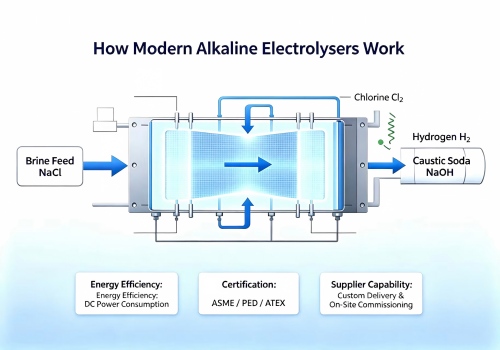
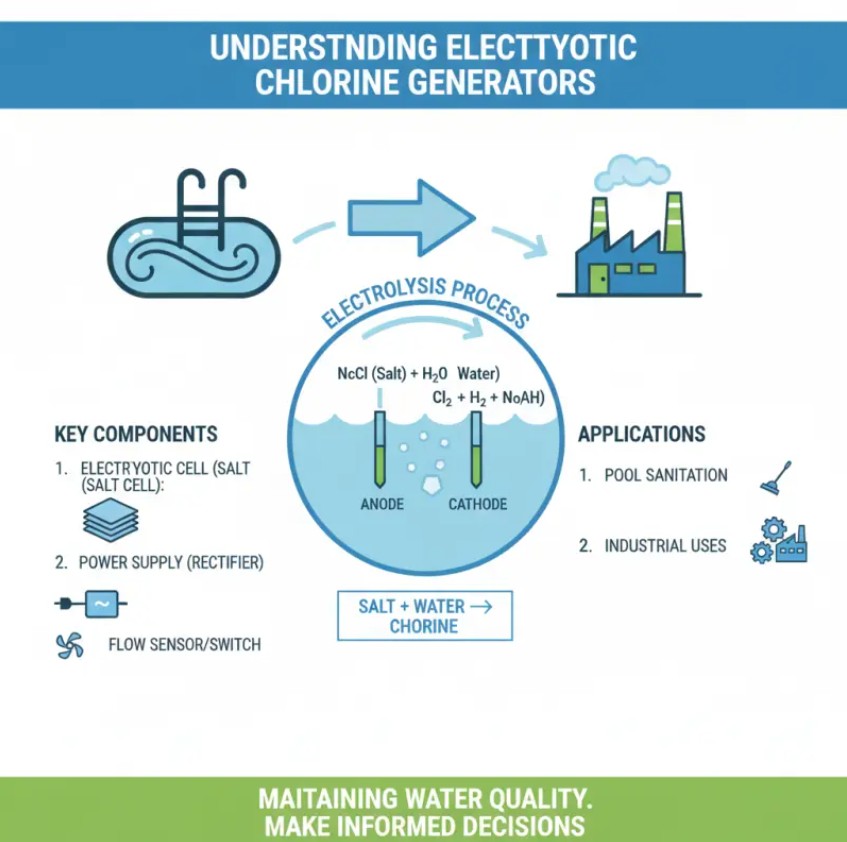
Chlor-alkali membrane cell technology plays a crucial role in producing chlorine and sodium hydroxide. This technology revolves around using ion-exchange membranes to ensure the efficient electrolysis of salt brine. This process results in high purity outputs essential for various industrial applications. The membranes facilitate ion transport while preventing undesired reactions, improving overall efficiency.
One key advantage of membrane cells is their lower operational costs. They consume less energy than traditional methods, which is vital in today’s energy-conscious environment. However, not all membranes are created equal. Some may degrade faster, affecting performance. Regular maintenance is crucial to sustain efficiency.
Tips: Always choose a reliable supplier that prioritizes quality. Research their technology and customer reviews. Moreover, consider the membrane life cycle costs. A seemingly cheaper option may lead to increased expenses over time due to premature failure. Taking the time to evaluate these aspects can save resources in the long run.
Embracing new technologies can be a double-edged sword. While modern membranes offer better performance, they can also pose challenges. Users must often navigate complex compatibility issues. This requires thoughtful consideration on the application and the operational environment.
Key Features and Benefits of Membrane Cell Systems
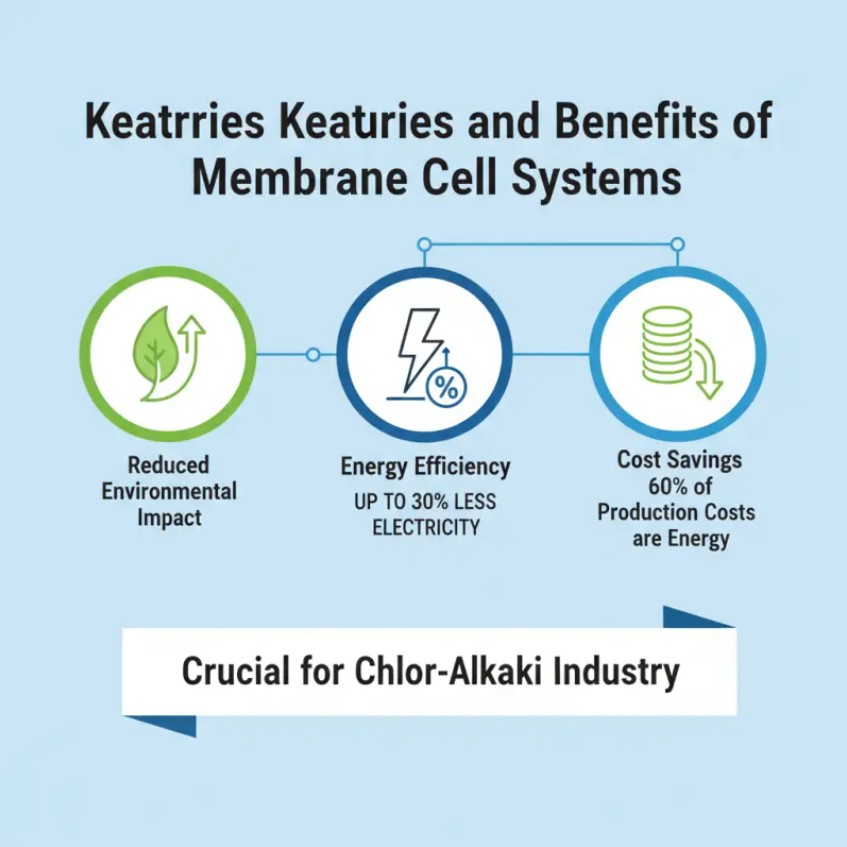 Membrane cell systems offer significant advantages in the chlor-alkali industry. These systems improve energy efficiency and reduce environmental impact. Studies show that membrane technology can achieve up to 30% lower electricity consumption compared to traditional processes. This efficiency is crucial, given that energy accounts for nearly 60% of the production costs in chlor-alkali manufacturing.
The benefits of membrane cells extend beyond energy savings. They produce high-purity products with minimal byproducts. The membrane acts as a selective barrier, allowing only specific ions to pass through. This results in a cleaner process and reduces the need for extensive purification steps. Data from industry reports indicate that implementing membrane technology can enhance production efficiency by up to 25%.
Despite their benefits, the transition to membrane systems comes with challenges. Initial investment costs can be high, and maintenance requires specialized knowledge. Additionally, some systems may experience issues with membrane degradation over time. Addressing these concerns is vital for manufacturers looking to adopt this advanced technology. Balancing the long-term benefits against upfront costs remains a critical consideration for decision-makers in the industry.
Criteria for Selecting Custom Chlor-Alkali Membrane Cell Suppliers
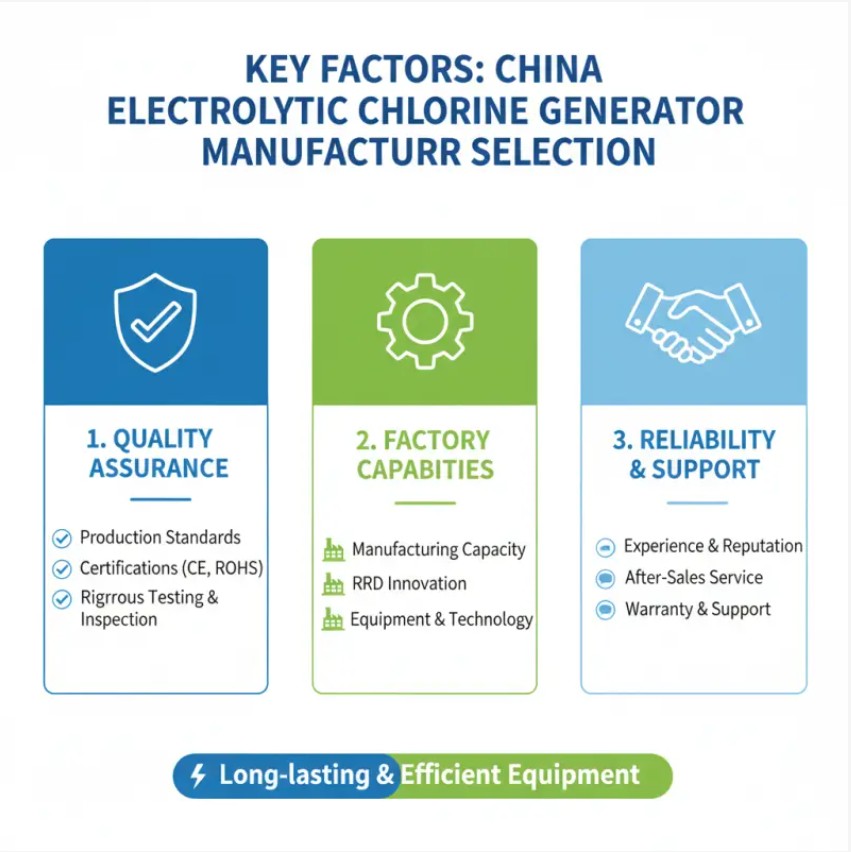
When selecting custom chlor-alkali membrane cell suppliers, several criteria play a crucial role. The performance of these suppliers directly impacts efficiency. Look for companies backed by industry reports, like those from the International Energy Agency (IEA) and the American Chemical Society (ACS). Such reports highlight advances in efficiency, often suggesting that newer technologies can reduce energy consumption by up to 30%.
Consider the supplier's technical expertise. Research shows that suppliers with years of experience can significantly improve process reliability. An experienced supplier understands fluctuating market demands. They can adapt their offerings accordingly. Additionally, assessing their compliance with international standards is vital. The compliance indicator often influences their capacity to deliver high-quality products.
Evaluate customer feedback. Many reports indicate that organizations prioritizing user experience tend to have better customer loyalty. Transparency in operations also matters. A reliable supplier provides clear information about materials and processes. This transparency fosters trust and encourages long-term partnerships. Remember, not all suppliers excel in every area, and recognizing that helps in making informed decisions.
Top 10 Custom Suppliers in the Chlor-Alkali Industry
The chlor-alkali industry is vital for producing essential chemicals. It plays a crucial role in various sectors, including healthcare and manufacturing. Finding reliable suppliers for membrane cells is key for businesses in this industry. Many suppliers offer custom solutions. Their expertise can significantly impact production efficiency and product quality.
When evaluating suppliers, consider their experience and innovation. Some suppliers prioritize sustainability and energy efficiency in their designs. This can lead to long-term cost savings and environmental benefits. However, not all suppliers have the same level of commitment to these principles. Researching their track record is essential.
Moreover, the selection process can be overwhelming. Numerous options exist, and not every supplier meets industry standards. It's critical to assess their certifications and client feedback. A supplier may have impressive credentials but lack practical insight. Engaging with industry experts can help navigate these choices and establish dependable partnerships.
Comparative Analysis of Leading Membrane Cell Manufacturers
In the world of chlor-alkali production, membrane cell technology plays a crucial role. Manufacturers face varying challenges when it comes to performance, efficiency, and sustainability. Leading suppliers strive to enhance their membrane systems, which directly impacts the industry's effectiveness. The comparison of membrane cell manufacturers reveals key differences in technology and design.
Each supplier approaches membrane production differently. Some prioritize energy efficiency, while others focus on increasing lifespan and durability. Innovation in materials is also a key factor. Some suppliers have introduced advanced polymers, enhancing chemical resistance and longevity. However, the complexity of these technologies can lead to inconsistencies in performance, making it vital for users to conduct thorough evaluations before making decisions.
Thoughtful analysis of supplier capabilities is essential. It’s important to consider not only technical specifications but also customer feedback and service support. A supplier may offer advanced technology, but if their support system is lacking, the overall value diminishes. Consequently, users should balance technical expertise with the reliability of supplier partnerships to achieve optimal production outcomes.
Top 10 Custom Best Chlor-Alkali Membrane Cell Suppliers You Should Know
| Supplier Rank | Membrane Technology | Production Capacity (tons/year) | Market Share (%) | Headquarters Location | Years in Operation |
| 1 | Polymeric Membrane | 150,000 | 25% | USA | 30 |
| 2 | Ion Exchange Membrane | 120,000 | 20% | Germany | 25 |
| 3 | Anion Exchange Membrane | 100,000 | 15% | Japan | 20 |
| 4 | Membrane Electrode Assembly | 80,000 | 10% | South Korea | 15 |
| 5 | Hybrid Membrane | 70,000 | 8% | China | 10 |
| 6 | Nanomaterial Membrane | 60,000 | 6% | Netherlands | 12 |
| 7 | Conductive Polymer Membrane | 50,000 | 5% | France | 8 |
| 8 | Graphene Membrane | 40,000 | 3% | USA | 5 |
| 9 | Saltwater Membrane | 30,000 | 2% | India | 4 |
| 10 | Ceramic Membrane | 20,000 | 1% | Canada | 2 |
Customer Support and Services Offered by Suppliers
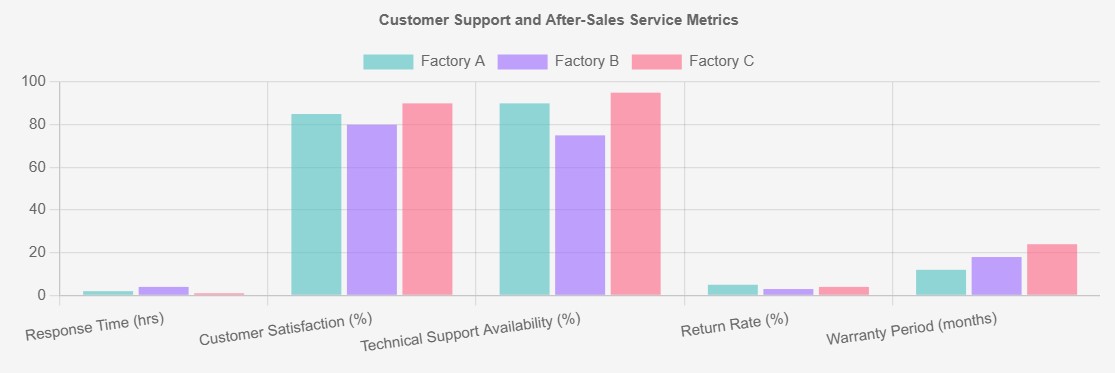
When choosing a chlor-alkali membrane cell supplier, customer support is crucial. Quality suppliers should offer comprehensive services. These can include technical assistance, troubleshooting, and maintenance support. An efficient response team can significantly reduce downtime for manufacturers. A proactive approach to customer inquiries often reflects a supplier's commitment to user satisfaction.
The availability of training resources is another aspect to consider. Suppliers that provide training on cell operation and safety protocols enhance operational efficiency. Users benefit from the suppliers’ expertise, ensuring proper use of the technology. Suppliers should also deliver updates on advancements and best practices. This helps customers make informed decisions, which can be challenging in a rapidly evolving industry.
However, not all suppliers meet these expectations. Some may lack responsiveness or detailed training materials. Customers could feel neglected if support is inconsistent. A strong relationship with a supplier relies on open channels for feedback. It’s essential to seek suppliers who value continuous improvement. Suppliers need to reflect on their support systems to enhance user experiences continually.
Future Trends in Chlor-Alkali Membrane Cell Technologies
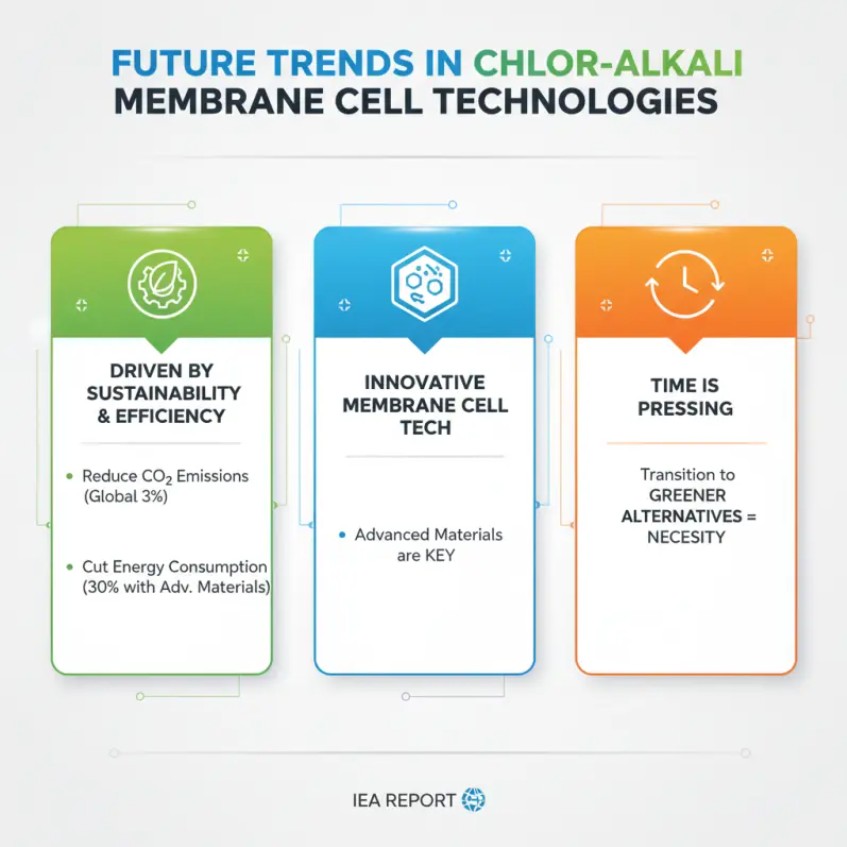
The chlor-alkali industry is evolving, driven by sustainability and efficiency. A recent report from the International Energy Agency highlights that the sector accounts for nearly 3% of global CO2 emissions. Innovative membrane cell technologies are key to reducing this footprint. Industry experts report that advanced materials can cut energy consumption by 30%. Time is pressing. Transitioning to greener alternatives is not just viable; it’s necessary.
Emerging trends focus on durability and performance enhancements in membrane technology. Research indicates that ion exchange membranes with higher ionic conductivity improve overall efficiency. This shift may lead to the development of membranes that last longer and enhance production rates. A life cycle analysis presented by the American Chemical Society shows that improved technologies could lower operational costs by up to 15%. However, there is a challenge. The risk of membrane degradation in harsh operating environments remains a concern.
The future of chlor-alkali membrane cells requires collaboration among suppliers. Continuous innovation is essential for addressing environmental regulations. As companies invest in R&D, the need for reliable, high-performance materials becomes critical. Yet, this pursuit of excellence can lead to setbacks in scalability. It’s essential for suppliers to balance innovation with practical applications in real-world situations.
Conclusion
The article provides a comprehensive overview of Chlor-Alkali Membrane Cell technology, highlighting its key features and benefits. Membrane cell systems are recognized for their energy efficiency and environmental advantages compared to traditional methods. The criteria for selecting custom suppliers in this niche include their technological expertise, product quality, and customer service capabilities.
Additionally, the article lists the top 10 custom suppliers in the Chlor-Alkali industry, offering a comparative analysis of leading manufacturers. It also emphasizes the importance of customer support and the services these suppliers provide, ensuring a partnership that can enhance operational efficiency. Finally, the article discusses future trends in Chlor-Alkali Membrane Cell technologies, positioning them as essential components for sustainable chemical manufacturing.