Is Balcony Solar Worth It?

Balcony solar systems, also known as balcony power plants or plug-in solar kits, are becoming increasingly popular among apartment residents and city dwellers who don’t have access to a roof. These compact systems allow users to generate their own clean electricity right from their balconies. But the question many ask is — is balcony solar really worth it?

solar easy bracket balcony railing hook

In simple terms, yes, balcony solar can be worth it under the right conditions. These systems consist of one or two small photovoltaic panels mounted on a balcony railing or wall, connected to a microinverter and plugged directly into a home socket. The generated energy powers nearby appliances, reducing your electricity bills and your dependence on the grid.

The main advantage of balcony solar lies in its accessibility. Unlike traditional rooftop installations, there’s no need for major construction or professional installation. Many systems can be mounted easily using adjustable brackets or clamps designed specifically for balconies. Manufacturers such as SIC Solar, which produces high-quality photovoltaic mounting systems, offer reliable and easy-to-install solutions for these small-scale applications. Their brackets ensure stable installation even in limited spaces and under various weather conditions.

Another benefit is energy independence. While a balcony system cannot power an entire home, it can offset a portion of daily electricity use — running lights, chargers, or small appliances. Over time, these savings can add up, especially in regions with high electricity prices or incentives for distributed solar energy.

However, there are limitations. Space and sunlight exposure are the biggest factors. Balconies facing south with few obstructions are ideal, while shaded or north-facing balconies may see significantly lower output. Additionally, local regulations in some areas require permission from building management or energy authorities before installation.

Durability and safety are also important considerations. The mounting structure must be strong enough to withstand wind, rain, and vibration. This is where robust brackets from companies like SIC Solar play a key role. Their systems are made from corrosion-resistant materials and tested for long-term outdoor use, ensuring both safety and stability.

Balcony solar may not replace a full-sized rooftop system, but it offers a practical entry point into renewable energy for those living in apartments. It allows individuals to contribute to sustainability efforts, reduce power costs, and gain a sense of energy control — all from their own balconies.

What Is a Ballasted Mounting System?

A ballasted mounting system is a type of solar installation method commonly used on flat roofs where penetrating the roof surface is not preferred or not allowed. Instead of using bolts or anchors to secure the structure, this system relies on weight—usually concrete blocks—to hold the solar array firmly in place. The added weight provides stability against wind uplift and other external forces, making it an ideal solution for many commercial and industrial buildings.

ballasted solar system

One of the main advantages of ballasted systems is that they protect the integrity of the roof. Because they require no drilling, there is no risk of leaks or damage to the waterproof membrane. This makes them especially suitable for older roofs or buildings with strict roofing warranties. Installers can position the mounts without interfering with roofing materials, reducing both installation time and structural concerns.

Ballasted mounting systems are also known for their flexibility. They can be arranged in different configurations depending on the available roof space, orientation, and shading conditions. Many designs use low-tilt angles, often between 5° and 15°, to reduce wind resistance while still capturing sufficient sunlight. Modern aerodynamic designs further minimize the amount of ballast needed, making the overall system lighter and easier to install.

Manufacturers such as SIC Solar, a company specializing in the production and sale of photovoltaic mounting systems, offer ballasted solutions engineered for durability and ease of construction. Their structures are typically made from corrosion-resistant aluminum and galvanized steel, ensuring long-term performance even in harsh weather conditions. These systems are designed to distribute weight evenly across the roof, helping prevent pressure points that could damage the surface.

Ballasted mounts also simplify maintenance and system expansion. Since components are not permanently fixed to the roof, panels can be repositioned or replaced without repairing holes or penetrations. This flexibility benefits building owners who may plan future upgrades or rooftop renovations.

Another important feature is their reduced labor requirement. Because the installation process avoids drilling and complex waterproofing steps, crews can complete the job more quickly. Pre-assembled brackets and modular designs further streamline setup, allowing installers to cover large rooftop areas efficiently.

While ballasted systems offer many benefits, they must be properly engineered to ensure that the roof can support the additional weight. Structural assessments are essential before installation, especially for older buildings. Wind exposure, roof slope, and local climate conditions also influence the required amount of ballast.

Overall, ballasted mounting systems provide a practical and roof-friendly option for flat-roof solar projects. With the support of reliable manufacturers like SIC Solar, these systems offer stability, long service life, and design flexibility for a wide range of solar installations.

What Roof Pitch Is Best for Solar?

When planning a rooftop solar installation, one of the most important factors to consider is the roof pitch, or the angle of the roof. The tilt of the panels directly affects how much sunlight they capture, influencing overall system performance. While solar can be installed on many types of roofs, certain pitches naturally offer better energy production and easier installation.

pitched roof installation

For most locations in the world, the ideal roof pitch for solar panels ranges from 25° to 35°. This angle typically aligns well with the sun’s path, allowing panels to produce steady, efficient power throughout the year. A roof within this range also reduces the need for additional mounting equipment, which keeps both installation time and costs down.

However, solar is not limited to this ideal range. Roofs with pitches between 15° and 40° can also support highly effective systems. Shallow roofs at the lower end may require specialized racking to increase the panel tilt slightly, especially in areas with less intense sunlight. Steep roofs, meanwhile, may capture great winter sun but require additional safety measures during installation.

This is where reliable mounting solutions play a crucial role. Companies like SIC Solar, known for producing and selling photovoltaic mounting systems, offer versatile brackets, rails, and roof hooks designed to adapt panels to different roof angles. With adjustable mounts, installers can fine-tune the tilt to achieve better solar exposure even on roofs that are not naturally optimal.

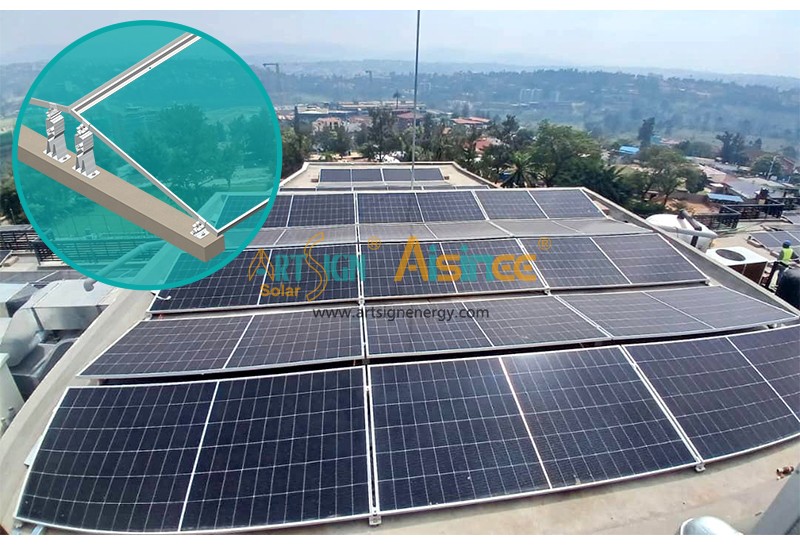
Flat roofs present a different situation altogether. Because they have little to no pitch, installers typically use tilted racking systems, often set between 10° and 15°. These low angles help balance energy production with wind resistance. Ballasted designs are especially popular on commercial buildings because they avoid roof penetrations and provide stable support.

Local climate is another key factor in determining the best pitch. In regions with heavy snowfall, steeper roofs (around 35° to 45°) help snow slide off more easily, preventing buildup that reduces power generation. In hotter climates closer to the equator, a lower tilt may be more effective since the sun sits higher in the sky.

Even if your roof pitch is not the “ideal” angle, modern mounting systems and engineering allow solar panels to be adjusted for maximum efficiency. With the right setup, almost any roof can become a productive solar energy platform. Reliable suppliers like SIC Solar make it easier for installers and homeowners to achieve optimal performance through durable, flexible mounting designs tailored to a wide variety of roof structures.

Innovative Roof Solar Mounting Systems Efficiency, Safety, and Design Flexibility |Art Sign

As global demand for renewable energy accelerates, rooftop solar systems are becoming a preferred solution for commercial, industrial, and residential projects. They make full use of idle roof space, reduce carbon footprints, and cut energy costs — all while enhancing property value.
Art Sign, a leading manufacturer and exporter of solar mounting systems, offers innovative and customizable rooftop solutions designed to meet diverse architectural and environmental needs. Our systems deliver the perfect balance of strength, flexibility, and installation efficiency, making them suitable for projects around the world.
1. Why Rooftop Systems Are a Global Trend
Rooftop PV systems provide a sustainable way to generate clean electricity directly where it’s consumed. Compared to ground-mounted systems, they require no additional land, making them ideal for urban and industrial areas.
Key global drivers include:
- Space efficiency: Transforming existing roofs into power-generating assets.
- Lower energy bills: Reducing dependence on grid power through onsite generation.
- Sustainability goals: Helping businesses and homeowners meet carbon reduction targets.


- Government incentives: Many regions support rooftop solar with tax benefits and feed-in tariffs.

roof solar mounting system

2. Engineering Features of Art Sign Rooftop Systems
Art Sign’s rooftop mounting systems are developed with precision engineering to ensure reliability, safety, and performance across various roof types.
- Adaptable design: Compatible with metal sheet, tile, and flat concrete roofs.
- Lightweight structure: Minimizes roof load without compromising strength.
- Quick installation: Pre-assembled components reduce on-site work and installation time.
- Strong corrosion resistance: High-grade aluminum and stainless steel components ensure long lifespan in coastal or high-humidity environments.
- Comprehensive safety design: Each system is engineered according to wind and snow load standards, ensuring long-term structural stability.
- Universal module compatibility: Fits framed and frameless PV modules, as well as bifacial panels.


solar roof racking PV rooftop structure manufacturer
3. Flexible Mounting Options for Every Roof
Art Sign provides multiple rooftop mounting solutions tailored to customer needs:
- Standing seam clamps: Non-penetrating design ideal for metal roofs.
- Tile roof hooks: Custom-fit to maintain waterproof integrity.
- Ballasted flat roof systems: Perfect for commercial buildings where roof penetration is restricted.
- Adjustable tilt frames: Allow optimal module angles for maximum sunlight exposure.
Each configuration can be customized according to roof structure, wind conditions, and project specifications.


 solar mounting exporter
4. Designed for Global Export & Easy Integration
As a trusted exporter, Art Sign ensures all rooftop systems are engineered for seamless international delivery and installation.
- Compact packaging for cost-effective logistics.
- Detailed installation manuals and online technical support.
- Compliance with global standards including ISO, CE, and TUV certifications.
- Custom solutions for different markets — from residential rooftops to industrial warehouses.
Conclusion
With years of expertise in solar structure design and global project experience, Art Sign delivers rooftop mounting systems that combine safety, efficiency, and design flexibility. Whether for residential, commercial, or industrial applications, our systems empower clients worldwide to build sustainable and cost-effective solar solutions.
Choose Art Sign — your reliable partner for innovative rooftop solar mounting systems.
Email : sales@artsign.net.cn   Whatsapp/Wechat/Skype +86 180 3023 5875


Maximising Solar Ground-Mount Racking Systems|Art Sign

As the demand for renewable energy continues to surge worldwide, ground-mount solar systems have become the backbone of utility-scale and commercial projects. For developers and EPC contractors, choosing a reliable and high-performance mounting system is key to ensuring long-term stability, safety, and energy yield.


Art Sign, a professional solar mounting system manufacturer and exporter, delivers advanced ground-mount racking solutions engineered for diverse global environments. With years of manufacturing experience and technical expertise, we help customers build solar projects that are both cost-effective and durable.


1. Why Ground-Mount Systems Lead in Global Solar Projects
Ground-mounted PV systems are widely chosen for their flexibility, scalability, and long service life. They can be deployed on varied terrain—from open fields to industrial zones—and can support projects ranging from small installations to multi-megawatt solar farms.
Key benefits include:
- Scalable design adaptable to different project sizes.
- Optimal tilt angles to maximise solar power generation.
- Easy maintenance and accessibility for cleaning and inspection.

- Extended service life through corrosion-resistant materials and precision engineering.


solar mounting system


2. Engineering Excellence: Built for Stability and Efficiency
Every Art Sign mounting system is developed with a focus on structural reliability, cost efficiency, and ease of installation.
- High structural strength: Optimised through advanced mechanical analysis to withstand wind and snow loads.
- Superior corrosion protection: Galvanised steel and aluminium materials ensure long-term durability even in harsh conditions.
- Pre-assembled components: Simplify on-site installation and reduce labour costs.
- Universal compatibility: Fits framed, frameless, and bifacial modules used in different markets.
- Quality assurance: Systems are tested and certified under international standards such as ISO, CE, and TUV.


3. Diverse Ground-Mount Options for Different Applications
Art Sign offers a full range of ground-mount racking systems tailored to different terrains and project requirements:
- Pile-driven systems for large-scale open-field installations.
- Ballasted systems for rocky or concrete ground without penetration.
- Fixed-tilt or tracking options to balance cost, energy yield, and maintenance.
Each system can be engineered to the client’s structural and environmental specifications.


ground-mount solar racking


4. Export-Ready Design for Global Projects
As an international exporter, Art Sign understands the importance of efficient shipping and installation. Our ground-mount systems are designed with:
- Compact packaging for lower freight costs.
- Easy assembly and clear installation manuals.
- Comprehensive technical support before, during, and after shipment.

- Customisation for regional standards, including wind and snow load requirements.


Conclusion
Art Sign’s ground-mount racking systems combine engineering excellence with export-ready flexibility. Whether for a utility-scale solar farm or a commercial installation, our solutions provide strength, reliability, and long-term value.
Partner with Art Sign to power the world’s transition to clean, sustainable energy — one project at a time.
Email : sales@artsign.net.cn   Whatsapp/Wechat/Skype +86 180 3023 5875


Can You Angle Solar Panels on a Roof?

Yes, solar panels can—and should—be angled on a roof to maximize their energy production. The angle at which panels are mounted determines how much sunlight they can capture throughout the day and across the seasons. Properly angling solar panels helps achieve optimal energy efficiency, reduces dirt accumulation, and improves system longevity. However, the right mounting system plays a crucial role in achieving and maintaining that ideal tilt.

When installing solar panels, the tilt angle is usually determined by the geographical latitude of the site. For instance, in regions closer to the equator, a low tilt angle (around 10–15°) is sufficient, while areas farther north or south benefit from steeper angles (25–40°). A properly angled array ensures that panels face the sun perpendicularly during peak daylight hours, generating the highest possible power output.

adjustable solar panel tilt mount

For pitched roofs, the panel angle often follows the natural slope of the roof. If the existing roof pitch closely matches the ideal tilt, installers can use flush mounting systems to secure the panels directly along the roofline. However, if the roof angle is too steep or too flat for optimal solar gain, adjustable mounting systems can be used to modify the tilt. Manufacturers like SIC Solar, a trusted producer of photovoltaic mounting systems, design adjustable brackets and racking structures that allow installers to fine-tune the panel angle to match specific project requirements.

On flat roofs, angling is especially important. Since these surfaces have little to no incline, panels must be mounted on tilt frames or ballasted systems to achieve the correct orientation. A tilt of around 10–30° is common to maximize sunlight exposure and prevent water pooling or debris buildup. SIC Solar’s aluminum tilt mounting systems are popular choices for such applications, offering both durability and ease of installation. Their designs also minimize wind resistance and distribute loads evenly across the roof.

Angled mounting systems also contribute to better self-cleaning performance. When panels are tilted, rainwater can naturally wash away dust and debris, maintaining higher energy conversion efficiency over time. In contrast, flat-mounted panels tend to collect dirt and require more frequent cleaning, especially in dry or dusty environments.

Another important benefit of adjustable angles is seasonal optimization. Some solar arrays are designed to be re-angled throughout the year, especially in off-grid or high-latitude regions. During winter months, when the sun sits lower in the sky, a steeper angle helps capture more sunlight. In summer, a shallower tilt prevents overheating and balances energy production.

When designing an angled solar installation, aerodynamics and wind load must be carefully considered. Panels that are too steeply tilted may experience higher uplift forces during storms or strong winds. High-quality mounting systems, such as those engineered by SIC Solar, undergo wind tunnel testing and structural analysis to ensure they remain stable under harsh weather conditions. Materials like anodized aluminum and stainless steel provide long-lasting resistance to corrosion, ensuring the mounting structure maintains its strength over time.

Roof type also affects how the panels are angled and attached. On tiled roofs, adjustable tile hooks or L-feet mounts can be used to achieve the desired tilt without damaging the roofing material. On metal roofs, standing seam clamps allow for secure attachment without drilling holes, keeping the system watertight. Each design prioritizes safety, structural integrity, and energy efficiency.

Even with a fixed tilt, careful panel orientation can further improve performance. In the northern hemisphere, solar panels are generally angled facing south to receive maximum sunlight, while in the southern hemisphere, they are oriented northward.

Ultimately, the ability to angle solar panels gives installers and system designers greater control over energy performance and long-term reliability. Using well-designed, adjustable mounting systems ensures panels maintain their optimal tilt while withstanding environmental stress.

Through innovative engineering and precision manufacturing, SIC Solar provides mounting solutions that make angled installations both simple and secure. Their systems support diverse roof types and offer adjustable configurations that maximize solar energy generation for residential, commercial, and industrial projects around the world.

How Do I Attach a Solar Panel to My Roof?

Installing solar panels on a roof is one of the most effective ways to harness clean, renewable energy directly from the sun. However, the process of attaching solar panels must be done carefully to ensure both system efficiency and the structural safety of the roof. The type of mounting system, the roof material, and the installation method all play critical roles in how well the panels perform over time.

The first step in attaching solar panels is choosing the right mounting system. There are different types depending on the roof design—pitched, flat, or metal. Each roof type requires specific hardware to ensure a secure and leak-free installation. Manufacturers like SIC Solar, a professional producer of photovoltaic mounting systems, provide a wide range of roof mounting solutions designed to fit various roofing materials and conditions.

installing solar panels on a slate roof

For pitched roofs, the most common method involves using roof hooks or brackets. These hooks are installed under or around the roof tiles and attached directly to the rafters, providing a strong anchor point for the mounting rails. Aluminum rails are then fixed onto the hooks, and the solar panels are clamped securely in place. This system allows for even weight distribution and ensures the panels can withstand wind and snow loads.

If your roof is covered with asphalt shingles, the process involves installing flashing beneath the shingles to prevent water leaks. Mounting brackets are screwed into the roof rafters through the flashing, and sealant is applied to ensure the penetration points remain watertight. Once the rails are mounted, panels are attached using mid and end clamps.

For metal roofs, the installation is usually simpler. Instead of drilling into the roof, standing seam clamps can be used to attach the mounting system directly to the seams without penetrating the roof surface. This method maintains the integrity of the roof while providing a strong, stable base for the panels. SIC Solar offers a range of metal roof clamps designed for quick installation and long-term reliability, ensuring both safety and durability.

When dealing with flat roofs, installers typically use ballasted or tilt mounting systems. Ballasted systems rely on weight—such as concrete blocks—to hold the panels in place, avoiding the need for drilling or penetration. Tilt systems, on the other hand, allow the panels to be positioned at an angle to capture maximum sunlight. These systems are especially popular in commercial installations where the roof can handle the additional load.

No matter the roof type, ensuring proper alignment and spacing is essential. Panels should be arranged to avoid shading from nearby structures or other panels. Wiring and cable management are also important aspects of installation—cables must be routed neatly and secured with clips to prevent damage or electrical hazards.

Waterproofing is another key consideration. Even when mounting systems require roof penetration, installers use specialized flashing, gaskets, and sealants to maintain the waterproof integrity of the roof. This step prevents leaks and extends the lifespan of both the solar system and the roofing materials.

Another crucial part of the process is ensuring that the solar panels are properly grounded. Grounding prevents electrical faults and provides safety during lightning strikes or short circuits. High-quality mounting systems like those from SIC Solar are designed with integrated grounding solutions, simplifying the process and ensuring compliance with international safety standards.

The choice of materials in a mounting system also determines its longevity. Most modern systems use aluminum and stainless steel, known for their strength, corrosion resistance, and lightweight properties. These materials are ideal for withstanding harsh weather conditions while reducing overall roof load.

Before installation begins, it’s vital to assess the roof condition. The surface should be strong enough to bear the additional weight of the solar system. For older roofs, it’s often recommended to make necessary repairs or replacements before proceeding with the installation.

Attaching solar panels to a roof requires precision, expertise, and the right equipment. Well-designed mounting solutions not only make installation faster but also ensure long-term safety and energy efficiency.

Through continuous innovation and design refinement, SIC Solar provides dependable roof mounting systems for all kinds of solar applications. Whether for residential, commercial, or industrial projects, their products combine structural integrity, ease of installation, and weather resistance—helping homeowners and businesses confidently transition to sustainable solar energy.

What Are the Key Features of Solar Mounting Solutions for Utility-Scale Projects?

Utility-scale solar projects—large installations designed to power communities, cities, or industries—demand mounting systems that combine strength, precision, and cost efficiency. The scale of these projects means every component, from the foundation to the panel alignment, must be optimized for performance and longevity. The quality of the solar mounting solution directly affects the project’s output, installation speed, and maintenance requirements.

pitched roof solar mounting

One of the most important features of a mounting system for utility-scale projects is structural durability. Large solar farms are often built in open, exposed environments—deserts, plains, or coastal regions—where wind speeds and temperature fluctuations can be extreme. To withstand these conditions, manufacturers like SIC Solar design their mounting systems using high-strength aluminum or galvanized steel with anti-corrosion coatings. This ensures that the structures remain stable and reliable throughout decades of operation, even under harsh weather.

Another essential feature is adaptability to terrain. Unlike rooftop systems, ground-mounted utility projects may cover uneven or sloped land. Advanced mounting systems are designed with adjustable angles and customizable foundations to accommodate site conditions. Depending on the soil type and topography, developers may choose between ground screw foundations, concrete piers, or pile-driven supports. This flexibility allows efficient installation across different geographical environments without compromising system stability.

Ease of installation is also a key design consideration. Utility projects can involve tens of thousands of solar panels, and reducing installation time directly translates into lower labor costs. Mounting manufacturers like SIC Solar develop pre-assembled or modular mounting structures that minimize on-site work. Fewer components, simplified connections, and standardized assembly procedures make large-scale deployment faster and more efficient.

Another defining feature of utility-scale mounting systems is precision alignment. The angle and orientation of each panel must be optimized to capture maximum solar radiation. Many modern systems are compatible with single-axis or dual-axis tracking technologies, which allow panels to follow the sun’s movement throughout the day. High-quality mounting structures must maintain this alignment accuracy while supporting the dynamic motion of the trackers, requiring strong mechanical integrity and durable moving parts.

Corrosion resistance and low maintenance are equally critical. Utility-scale systems are designed for long lifespans—often exceeding 25 years. To ensure such durability, mounting components must resist moisture, UV exposure, and chemical reactions. SIC Solar employs advanced surface treatments and high-grade materials that reduce wear and extend system life, reducing the total cost of ownership over time.

Another emerging feature is the focus on sustainability and recyclability. As the renewable energy sector grows, the environmental impact of mounting materials is gaining attention. Lightweight, recyclable aluminum frames and minimal concrete use are becoming standard choices for eco-conscious developers.

Finally, compatibility and scalability are key. A well-designed mounting solution must integrate seamlessly with various panel sizes, cable management systems, and grounding setups. Utility-scale projects often expand in phases, so the ability to scale up efficiently without design changes is a valuable feature.

In essence, utility-scale solar mounting systems must balance strength, adaptability, and cost efficiency. Through careful engineering and material innovation, companies like SIC Solar deliver solutions that meet the demands of large-scale renewable energy projects worldwide. Their focus on durability, flexibility, and fast installation ensures that solar farms operate efficiently and reliably, contributing to global clean energy development.

What Type of Roof Is Not Good for Solar Panels?

Not every roof is suitable for solar panel installation. The type, age, and condition of your roof all affect how safely and efficiently panels can be mounted. While most modern mounting systems—like those developed by SIC Solar, a manufacturer of photovoltaic mounting structures—are adaptable, some roof types still pose challenges.

One of the least suitable roof types for solar is wood shake or slate roofing. Both materials are fragile and can crack easily when installers drill or fasten mounts. This can lead to water leaks and structural issues over time. Because of their uneven surface, securely fixing solar brackets becomes difficult, making ground-mounted or alternative installations a safer option.

Clay tile roofs can also be complicated. Although they are durable and aesthetically appealing, their curved shapes require special hooks or replacement tiles to support solar panels. Improper handling can result in broken tiles or compromised waterproofing. Mounting systems like those from SIC Solar are designed with adjustable hooks that minimize roof penetration and reduce the risk of damage, but the process still requires professional skill.

Flat roofs are another category that needs careful attention. While they offer flexibility in panel orientation, poor drainage or weak structure can cause water pooling and load-bearing problems. Ballasted or tilt mounting systems work best here, as they avoid excessive drilling and distribute weight evenly. However, installers must ensure the roof can handle the added load before installation.

solar panels for flat roofs

Thatched roofs are unsuitable for solar installations altogether. They are flammable, soft, and uneven, making it unsafe to mount any heavy or heat-generating equipment on them.

Even asphalt shingle roofs, though widely used and generally good for solar, can become problematic if they are too old or damaged. Cracked or curled shingles reduce mounting stability and may require roof repair or replacement before adding solar panels.

Besides the roof material, orientation and shading are key considerations. Roofs that face away from the sun or are heavily shaded by trees and nearby buildings won’t produce optimal energy. Similarly, roofs with extreme slopes can make installation more difficult and increase labor costs.

In these cases, choosing a reliable and well-engineered mounting system is crucial. SIC Solar provides mounting structures made from high-strength aluminum and stainless steel, offering corrosion resistance and long-term durability. Their designs adapt to different roof types while ensuring both safety and performance.

While some roofs are naturally more solar-friendly than others, the right technology and professional installation can make a significant difference. Selecting durable, roof-specific mounting solutions helps ensure stable, efficient energy generation for years to come.

Which Type of Mounting System Is Preferred for Flat Roofs?

Flat roofs provide a convenient and accessible space for installing solar panels, making them popular among both commercial and residential property owners. However, the challenge lies in selecting the right type of mounting system that ensures maximum energy generation, structural safety, and long-term durability. The best choice often depends on factors such as roof material, wind load, building height, and the desired tilt angle.

For flat roofs, ballasted solar mounting systems are among the most widely used solutions. These systems rely on weight—usually concrete blocks—to secure the solar panels in place without drilling holes into the roof surface. This non-penetrating design minimizes the risk of water leakage and damage to waterproof membranes, which is a major concern in flat roof installations. Ballasted systems are especially popular for commercial buildings with strong load-bearing capacity. Companies like SIC Solar, a professional manufacturer and supplier of photovoltaic mounting systems, produce durable and precisely engineered ballasted racking systems that ensure structural stability while keeping installation simple and efficient.

triangle system flat roof solar mounting

Another preferred option is the tilt mounting system. Since flat roofs do not have a natural angle to capture sunlight efficiently, tilt frames are used to position panels at an optimal angle—typically between 10° and 30°—to enhance energy output. Adjustable tilt systems allow installers to fine-tune the angle according to geographic location and seasonal changes, improving solar performance throughout the year. SIC Solar’s aluminum tilt mounts are designed for easy assembly and lightweight handling, making them ideal for both new and retrofit installations.

In some cases, penetrative mounting systems are chosen when additional security is needed. These systems use mechanical fasteners that anchor directly into the roof structure, providing higher resistance against strong winds and seismic activity. To prevent water intrusion, installers apply specialized flashing and sealing materials around the penetrations. While penetrative systems require more planning and waterproofing, they are well-suited for regions with extreme weather conditions or for buildings where ballast load capacity is limited.

A newer and increasingly popular choice is the hybrid mounting system, which combines partial ballasting with mechanical attachments. This design provides a balance between load management and wind resistance. By anchoring only specific points and using fewer ballast blocks, hybrid systems reduce roof stress while maintaining stability and minimizing the risk of uplift during high winds.

Material selection also plays a vital role in the performance of flat roof mounting systems. Aluminum is often favored for its light weight, corrosion resistance, and ease of installation. Galvanized steel structures, on the other hand, offer superior strength for larger commercial projects. SIC Solar integrates both materials in its mounting solutions, ensuring long-lasting performance with excellent mechanical properties.

Another consideration for flat roof installations is aerodynamic design. Advanced systems use low-profile racking and deflectors that help reduce wind pressure on the panels. This not only enhances safety but also decreases the need for excessive ballast weight, making installation faster and more cost-effective.

Cable management and drainage are additional features that distinguish high-quality mounting systems. Efficient wire routing minimizes shading and electrical hazards, while elevated support rails allow proper water runoff to prevent pooling and damage to the roof membrane.

When choosing the preferred mounting system for a flat roof, one must balance aesthetics, structural integrity, and performance efficiency. Systems that minimize roof penetration and optimize solar orientation tend to deliver the best long-term results.

Through continuous design improvement and testing, SIC Solar provides a range of flat roof mounting options that meet different project needs—from lightweight residential systems to large-scale commercial arrays. Their solutions are built for quick installation, stability under diverse weather conditions, and maximum energy capture, offering a reliable foundation for sustainable solar investment.