The Main Revenue Streams of Utility-Scale Battery Storage in the United States

Utility-scale battery storage has become one of the fastest-growing segments in the U.S. energy market. According to the U.S. Energy Information Administration (EIA), most large-scale battery storage projects in operation today generate revenue primarily through electricity price arbitrage—buying electricity when prices are low and selling it back to the grid when prices are high.

Key Findings from the EIA Survey

  • In 2024, the U.S. had approximately 27 GW of utility-scale battery storage capacity in operation.
  • Of this, about 18 GW participated in price arbitrage, and 11 GW were dedicated exclusively to arbitrage.
  • This represents a significant increase from 2023, when 16 GW of capacity was online, with 11 GW engaged in arbitrage and 6 GW dedicated solely to it.

The EIA’s annual survey, which collects detailed data from facilities of 1 MW or larger, highlights how the role of battery storage has shifted in recent years. Since 2023, operators have been required to specify the primary use case of their storage systems, providing clearer insights into market trends.

Beyond Arbitrage: Other Revenue Sources

While arbitrage dominates, battery storage systems in the U.S. also provide a range of other valuable services:

  1. Frequency Regulation – 24% of systems are used for stabilizing grid frequency.
  2. Renewable Integration – Balancing wind and solar generation to smooth variability.
  3. Peak Shaving & Load Management – Reducing demand during peak hours.
  4. Co-located Renewable Support – Ensuring stable output from solar and wind farms.
  5. Voltage & Reactive Power Support – Enhancing grid stability and reliability.

Notably, the installed capacity dedicated to arbitrage exceeds that for frequency regulation by about 4.5 GW, and frequency regulation capacity is about 3 GW higher than that used for balancing renewables.

Regional Insights: California and Texas

  • California ISO (CAISO): By the end of 2024, CAISO operated 11.7 GW of battery storage, with 43% primarily used for arbitrage.
  • ERCOT (Texas): Managed 8.1 GW of storage, with half of the capacity focused on arbitrage.

These two markets illustrate how regional dynamics shape storage strategies. In California, low-price charging and high-price discharging strategies have proven effective, while in Texas, ancillary services have historically delivered strong returns.

The Evolution of Arbitrage Strategies

Industry experts note that arbitrage is becoming increasingly complex. As Ali Karimian and Alden Phinney of GridBeyond explained, the rapid deployment of storage has intensified competition, requiring operators to adopt advanced optimization strategies to achieve returns above market benchmarks.

In other words, the future of storage profitability lies not in simple buy-low/sell-high tactics, but in integrated, risk-adjusted solutions that combine arbitrage with ancillary services and renewable integration.

Looking Ahead

The EIA will release updated data for 2025 in June 2026, providing further insights into how storage operators are adapting to evolving market conditions.

As the U.S. energy transition accelerates, utility-scale battery storage is proving indispensable—not only for arbitrage but also for enabling renewable integration, enhancing grid reliability, and supporting decarbonization goals.


Transforming Commercial Buildings with Solar Roof Tiles and Storage Systems

Introduction

For businesses and property developers, energy solutions are no longer just about reducing costs—they are about future-proofing investments and meeting sustainability goals. Solar roof tiles offer a unique opportunity to combine aesthetic design, renewable energy generation, and long-term ROI. At GreenMore, we deliver integrated solutions that empower both households and enterprises to achieve energy independence.


What Are Solar Roof Tiles?

Solar roof tiles, also known as solar shingles, are advanced roofing materials that generate electricity while serving as a protective roof covering. Unlike traditional solar panels, they integrate seamlessly into building design, making them ideal for:

  • Commercial buildings seeking modern, eco-friendly architecture

  • Industrial facilities aiming to reduce carbon footprints

  • Property developers who want to add value and differentiation to new projects


Business Benefits of Solar Roof Tiles

1. ROI and Cost Savings

Solar roof tiles reduce electricity bills and stabilize long-term energy costs. When paired with GreenMore commercial energy storage systems, businesses can store excess energy and avoid peak-time tariffs.

2. Sustainability and Compliance

Governments worldwide are tightening carbon regulations. Installing solar roof tiles helps businesses meet ESG goals, comply with green building standards, and enhance corporate reputation.

3. Energy Independence

With GreenMore’s integrated solar + storage solutions, companies can reduce reliance on unstable grids, ensuring uninterrupted operations during outages.

4. Property Value Enhancement

For developers, solar roof tiles increase property value and market appeal. Buyers and tenants increasingly prefer buildings with renewable energy infrastructure.


Solar Roof Tiles vs. Traditional Solar Panels for Businesses

Feature Solar Roof Tiles Traditional Solar Panels
Design Integration Seamless, modern roofing Mounted, visible panels
Corporate Image Premium, eco-friendly branding Functional but less aesthetic
Energy Efficiency Comparable to panels High efficiency
Value Creation Adds property value Primarily cost savings

Why GreenMore Is the Right Partner

GreenMore offers end-to-end energy solutions:

  • Solar roof tiles for stylish, sustainable power generation

  • Commercial & industrial storage systems for reliable backup and peak shaving

  • Rooftop solar systems for scalable energy production

  • Integrated solar kits tailored to business needs

Our expertise ensures that every project delivers maximum ROI, long-term reliability, and sustainability compliance.


Conclusion

Solar roof tiles are more than just a design upgrade—they are a strategic investment for businesses aiming to cut costs, meet sustainability targets, and enhance property value. With GreenMore’s innovative solutions, companies can achieve energy independence while building a greener future.

๐Ÿ‘‰ Learn more about how GreenMore solar solutions can transform your business at gmsolarkit.com.

What is a Battery Energy Storage System (BESS)?

As renewable energy continues to grow worldwide, Battery Energy Storage Systems (BESS) are becoming the backbone of modern energy management. They enable households, businesses, and utilities to store electricity and use it when needed, ensuring efficiency, stability, and independence.

As a professional manufacturer of battery energy storage products, GreenMore provides innovative solutions for both residential and commercial & industrial (C&I) applications. In this article, we’ll explore what a BESS is, how it works, its advantages, and its applications.

1. What is a Battery Energy Storage System?

A Battery Energy Storage System is a device that stores electrical energy in batteries and releases it when required. Its main functions include:

  • Storing excess energy from solar panels or the grid during off-peak hours.
  • Releasing stored energy during peak demand, at night, or during power outages.
  • Balancing supply and demand to improve energy efficiency and reliability.

2. How Does a BESS Work?

  1. Charging: Electricity from solar panels or the grid is stored in the battery.
  2. Discharging: When needed, the battery releases energy through an inverter, converting DC into AC for household or business use.
  3. Smart Management: A Battery Management System (BMS) monitors voltage, temperature, and capacity to ensure safety and efficiency.

3. Key Benefits of Battery Energy Storage Systems

  • Lower Energy Costs: Store cheap electricity and use it during expensive peak hours.
  • Energy Independence: Combine with solar systems to reduce reliance on the grid.
  • Backup Power: Provide reliable electricity during outages or unstable grid conditions.
  • Sustainability: Support the global transition to clean and renewable energy.

Battery Energy Storage System

4. Applications of Battery Energy Storage

  • Residential Storage:

GreenMore offers wall-mounted batteries, stackable batteries, and all-in-one storage systems with capacities of 5kWh, 10kWh, 15kWh, 20kWh, and customized options. Perfect for households with solar systems.

  • Commercial & Industrial Storage:

Businesses can use BESS for peak shaving, demand management, and energy cost reduction.

  • Microgrids & Off-Grid Solutions:

In remote areas or unstable grids, BESS combined with solar or wind power creates reliable, independent energy systems.

5. GreenMore’s Energy Storage Solutions

At GreenMore, we specialize in:

  • Residential Energy Storage Systems – flexible, safe, and efficient.
  • Commercial & Industrial Energy Storage Systems – scalable and cost-effective.
  • Customized Solutions – tailored to meet the needs of global distributors, resellers, and solar system integrators.

Conclusion

Battery Energy Storage Systems are not just a technology—they are the foundation of the future energy landscape. With GreenMore’s advanced storage solutions, households and businesses worldwide can achieve energy independence, cost savings, and sustainability.

๐Ÿ‘‰ Learn more about our products and solutions on the GreenMore official website.


What preparations should be made before installing an industrial and commercial energy storage system?

As the world's pursuit of sustainable development grows, more and more companies are beginning to consider installing industrial and commercial energy storage systems to achieve the dual goals of energy conservation and emission reduction and economic benefits. As a professional manufacturer of battery energy storage products, GreenMore is committed to providing efficient and reliable energy storage solutions to customers around the world. This article will discuss in detail how companies should make detailed preparations before installing industrial and commercial energy storage systems to help companies take a solid step towards a green future.

1. Understand the electricity price

The first step for enterprises to install industrial and commercial energy storage systems is to have a deep understanding of their own electricity prices. The information on the electricity bill is crucial to evaluating the economic feasibility of the energy storage system. Not only is it necessary to clarify the electricity price system (single system or two-part system), but also to carefully analyze the various expenses in the electricity bill structure, including basic electricity charges, power regulation charges, etc. Especially the local time-of-use electricity price policy, especially the peak-valley electricity price difference. If the price difference is significant (it is recommended to reach more than 0.8 yuan/kWh), the economic advantage of installing an energy storage system is particularly prominent. By charging during the valley period when electricity prices are lower and discharging during the peak period when electricity prices are higher, the electricity cost can be effectively reduced.

2. Evaluate electricity demand

After understanding the electricity price, the next step is to conduct a comprehensive assessment of your own electricity demand. This not only involves the total electricity consumption of the enterprise, but also should be combined with historical data to predict future trends. This information helps to scientifically configure the energy storage system. In addition, special attention should be paid to the electricity load period on the electricity bill, especially the proportion of electricity consumption during peak hours, which is crucial to the potential of the energy storage system in reducing peak loads and filling valleys and reducing costs. Reasonable arrangement of the charging and discharging time of the energy storage system can further reduce electricity bills.


container battery energy storage system


3. Inspect the transformer capacity

Before installing an industrial and commercial energy storage system, the capacity of the transformer must be investigated. The available capacity of the existing transformer must be accurately calculated, and the future load growth trend must be considered. Ensure that the operation of the energy storage equipment does not affect the stability of the power grid. Especially when charging during off-peak hours, the transformer capacity allocation must be reasonably planned to avoid overload operation, ensure the normal operation of the energy storage system and the safety and stability of the power grid.

In summary, installing an industrial and commercial energy storage system is a complex but valuable process. Through in-depth understanding of electricity prices, assessing electricity demand, examining transformer capacity and other preliminary preparations, companies can configure energy storage systems more scientifically, thereby achieving energy conservation and consumption reduction and improving economic benefits. GreenMore is willing to work with you to help your company move towards a greener and more efficient future.


Is Photovoltaic-coupled Water Electrolysis Hydrogen Production Technology Suitable for Residential Applications?

“Generate hydrogen using solar energy, then produce electricity when needed—freeing yourself from the grid and achieving zero-carbon independence.” This vision sounds appealing. As a technical team with years of experience in the energy sector, we must caution residential users with such aspirations: applying wind-solar hydrogen production technology to home settings is not only unlikely to save costs at this stage but may become one of the most expensive household energy options.

Let's examine the practical challenges of photovoltaic-coupled water electrolysis through a concrete example.

1. “Photovoltaic + Hydrogen Power Generation” Technology

Using a water electrolysis unit rated at 1Nm²/h (standard cubic meters per hour), 55 kWh of electricity is fed into the electrolytic cell. Through complex electrochemical reactions and system losses, electrical energy is converted into chemical energy, ultimately yielding 1 kilogram of hydrogen. This hydrogen requires further conversion for effective utilization.

Subsequently, this 1 kg of hydrogen is fed into a household hydrogen fuel cell for power generation. Through a series of chemical reactions, the chemical energy stored in hydrogen is converted back into electrical energy. In practice, the hydrogen fuel cell can only produce 12-15 kWh of usable electricity. This yields a total cycle efficiency of approximately 21.8% to 27.3%. This indicates that over 72% of the original electrical energy is lost as heat and other forms of energy during the “electricity-hydrogen-electricity” double conversion process.

 lithium battery

2. Photovoltaic + Lithium Battery Technology

Using the same 55 kWh of photovoltaic power generation, the charge-discharge cycle efficiency of a lithium battery system typically exceeds 85%. This translates to approximately 46.75 kWh of usable electricity from 55 kWh. Compared to the photovoltaic + hydrogen power generation scenario, the maximum usable electricity for a household is only 15 kWh.

Why such a significant gap?

hydrogen fuel cell

1. Electrolytic hydrogen production and hydrogen fuel cell power generation fundamentally involve converting energy from one form to another. Thermodynamic laws dictate that such conversions inevitably incur losses, with unavoidable theoretical energy depletion at each stage. In contrast, lithium battery charging/discharging follows a more direct “electricity-chemistry-electricity” pathway, featuring fewer conversion steps and consequently lower energy losses during storage and release.

2. From a technological maturity perspective, lithium batteries have established a complete, mature industrial chain. Their system efficiency has been optimized over the long term and is approaching its engineering limits. Conversely, hydrogen energy technology for residential applications remains in its early developmental stages. The system comprises multiple complex components—electrolyzers, compressors, purification units, fuel cells—each requiring additional energy consumption. The overall efficiency of the integrated system consequently lags behind that of lithium batteries.

hydrogen storage

3. Cost differences also emerge between PV+lithium storage and PV+hydrogen generation. Hydrogen production equipment manufacturing and hydrogen storage itself consume substantial electricity. To achieve equivalent household power goals, hydrogen solutions often require larger solar panel installations. From a full lifecycle cost perspective, current residential hydrogen systems struggle to compete economically with traditional energy storage methods.

For household users prioritizing environmental sustainability and energy autonomy, efficient utilization should remain central. Channeling clean solar power into less efficient conversion systems incurs substantial costs for residential applications. It's important to recognize that hydrogen, as a strategic energy source, should primarily focus on industrial applications, grid-scale energy storage, and heavy-duty transportation systems.

For residential energy scenarios, we recommend: At this stage, opt for the technically mature and economically viable “PV + lithium battery” solution to maximize the value of every kilowatt-hour of sunlight. Only when hydrogen energy achieves breakthroughs in residential technology and demonstrates significant economic improvements should its integration into home energy systems be considered a prudent approach.

Why Do Hydrogen Fuel Cells "Fail When Scaled Up"?

As a core technology in the field of clean energy conversion, hydrogen fuel cells consistently demonstrate near-perfect performance potential in laboratory environments—high efficiency, high power density, excellent start-up characteristics, and stability—making them a "technology star" in the clean energy sector. However, when the technology is scaled up from small-area single cells in the laboratory to real-world applications such as automotive power and distributed power generation, its system efficiency, power output stability, and durability often experience significant degradation, typically ranging from 20% to 50%. This is essentially a concentrated burst of problems from multiple dimensions, including material properties, component integration, and system regulation, when scaled up.

hydrogen fuel cell

1. Laboratory vs. Real-world: Two drastically different operating environments

The core of laboratory testing for fuel cells is "precise control and interference elimination." Taking the internationally accepted DOE (U.S. Department of Energy) testing protocol as an example, the testing process requires maintaining constant temperature (typically 60-80โ„ƒ), constant humidity (relative humidity 80%-100%), high-purity reactant gas (hydrogen purity 99.97%, impurity content <10ppm), and stable load conditions. Small-area single-cell batteries (typically <50cm²) are fixed using precision clamps to minimize the impact of external environmental fluctuations on battery performance. Under these ideal conditions, the peak power density of fuel cells can easily reach 400-600mW/cm², and the durability test life can even exceed 10,000 hours.

However, real-world applications are fraught with uncertainty: in automotive powertrains, frequent start-stop cycles, rapid acceleration, and deceleration cause drastic load fluctuations; distributed power generation requires handling diurnal temperature variations, humidity changes, and hydrogen supply of varying purities; even portable devices face random variations in ambient temperature and gas flow conditions. More importantly, the precise temperature and humidity control equipment used in laboratory tests, disregarding energy consumption, must be driven by the fuel cell itself in real-world systems, further compressing the effective output power.

2. Dynamic Deactivation Mechanism of Catalysts

On the one hand, frequent start-stop cycles and load changes in applications cause drastic fluctuations in the cathode potential between 0.4 and 1.0 V. This potential cycling accelerates the dissolution-redeposition process of platinum (Pt) nanoparticles, leading to particle coarsening and electrochemical corrosion of the carbon support, ultimately causing catalyst particle detachment. Accelerated stress test data from the USDRIVE Consortium in the United States shows that in tests simulating 100,000 km of passenger vehicle driving conditions, the active surface area of โ€‹โ€‹the Pt catalyst decreased by 42% within 1000 hours, while in laboratory steady-state tests, the loss rate within the same time period was only 8%.

On the other hand, impurity gases in real-world scenarios exacerbate catalyst poisoning. The high-purity hydrogen (impurities <10ppm) and clean air used in laboratory tests are difficult to guarantee in real-world scenarios. Industrial byproduct hydrogen may contain impurities such as CO (often >50ppm) and H2S, while pollutants like SOx and NOx from the air will also enter the battery with the intake air. These impurities will irreversibly adsorb onto the Pt active sites, forming a dense adsorption layer that blocks the reaction. For example, the adsorption energy of CO and Pt is as high as -60kJ/mol; even long-term accumulation of ppb-level CO will lead to a significant decrease in catalyst activity. Test data from Toyota Motor Corporation in Japan shows that when the CO content in the hydrogen reaches 20ppm, the fuel cell output power decreases by 20% within 200 hours; if the CO content increases to 50ppm, the power decrease can reach 45% within the same time period.

3. Combined Degradation of the Proton Exchange Membrane:

In actual operation, changes in fuel cell load are accompanied by fluctuations in the amount of water produced in the reaction, causing the proton exchange membrane to repeatedly undergo the "water absorption and expansion - water loss and contraction" process, generating continuous mechanical stress, ultimately leading to membrane crack propagation and perforation. Research data from the Max Planck Institute in Germany shows that in dynamic humidity cycling tests simulating automotive conditions, the tensile strength of perfluorinated proton exchange membranes decreased by 30% after 500 cycles, and significant cracks appeared after 1000 cycles. Simultaneously, during fuel cell operation, low-potential, high-oxygen-concentration regions generate hydroxyl radicals (.OH). These strong oxidizing substances attack the polymer backbone of the membrane, leading to a decrease in molecular weight, damage to the ion cluster structure, and ultimately, loss of proton conductivity. Tests show that the fluoride ion release rate of the perfluorinated membrane under dynamic conditions reaches 1.2 pg/(cm²·h), which is 12 times that under laboratory constant humidity conditions (0.1 pg/(cm²·h)). The large release of fluoride ions directly reflects the degree of membrane structure degradation.

4. The Superposition of Inhomogeneity and System losses:

Expanding the battery area from laboratory level (<50 cm²) to commercial level (>200 cm²) leads to significant inhomogeneities in internal gas distribution, current density, and temperature distribution, significantly accelerating material degradation. More problematic is the amplification of the "weakest link effect" when hundreds of cells are connected in series to form a stack. This means that a performance degradation in any single cell can drag down the entire stack, leading to a significant reduction in power and lifespan. Test data from General Motors in the US shows that in a stack composed of 200 cells, if the individual cell consistency deviation increases from 3% to 8%, the overall output power of the stack decreases by 22%, and its lifespan is shortened by 35%.

System integration introduces efficiency losses and dynamic response lag. In actual operation, the Balance of Production (BOP) system, which provides air, humidity, and cooling to the stack, consumes a significant amount of energy, potentially lowering the system's net efficiency from over 55% in the laboratory to around 40%. Simultaneously, under dynamic conditions such as rapid vehicle acceleration or start-stop, the response speed of these auxiliary systems lags far behind changes in power demand, resulting in instantaneous power drops and exacerbating damage to critical components such as the proton exchange membrane, thus accelerating the overall system performance degradation. Real-world data from the Toyota Mirai fuel cell vehicle confirms this phenomenon: its stack's peak efficiency is 58%, but the net efficiency of the entire power system is only 42%, with the core difference lying in the losses of the auxiliary systems.

5. From Operating Condition Simulation to Integrated Design

Crossing the performance gap between the "laboratory" and "real-world" environments requires collaborative breakthroughs in three dimensions: testing methods, structural design, and system integration.

First, establishing a testing system that closely reflects actual dynamic operating conditions. Building upon steady-state testing, dynamic testing standards with environmental variables and load cycles need to be introduced. By replicating real-world operating conditions, the fragility of materials and components can be exposed in advance, reducing the discrepancy between laboratory and real-world data.

Second, optimizing the structure and materials of large-area batteries. To address the inhomogeneity issues after scaling up, gradient electrodes and biomimetic flow channels can be applied to reduce current density deviations. Simultaneously, key materials such as highly stable catalysts and self-healing proton exchange membranes can be developed to improve durability from the source.

Third, promoting integrated system design. Energy consumption can be reduced by optimizing the structural design of auxiliary systems.

Future and Outlook:

Fuel cell technology is continuously bridging the gap between the "laboratory" and "real-world applications" through multidisciplinary collaborative innovation. With a deeper understanding of hydrogen fuel cell systems, researchers are able to more accurately predict large-scale battery performance and optimize stack design structures, thereby accelerating the maturation and large-scale application of this clean energy technology.

East-West Mounting Systems How Unlocking Maximum Power Generation Potential for Limited Spaces and High-Latitude Regions? |Art Sign

With the rapid advancement of the global photovoltaic market, installers and
owners—whether for commercial, industrial, or residential rooftop projects—face a common challenge: how to install more PV modules within a limited available area while achieving better overall energy yields. Although traditional south-north oriented single-tilt mounting systems are technologically mature, they often prove inadequate in high-latitude regions, on narrow rooftops, or in irregular terrains. This is because the large row spacing required to prevent shading leads to low utilization of land or roof space.


In such installation contexts, East-West Solar Mounting Systems have emerged as a transformative solution, standing out with their innovative design philosophy to enhance both space utilization and power generation efficiency.


East-West Solar Mounting Systems


Core system advantages: High-density arrangement and optimized power generation curve
The fundamental design concept of the east-west oriented system is to arrange photovoltaic modules like “roof tiles,” with a low tilt angle facing east and west in alternating rows. This design offers two key inherent advantages:
1.Fit Way More Panels On Your Roof: Because the rows run east-west, we completely sidestep the big north-south shadow problem you get with traditional setups. That means no more wasting huge gaps between rows just to avoid winter shading. The result? You can often pack 30-50% more panels into the same footprint. It’s a game-changer for commercial roofs where every square meter counts.
2.Power That Lasts All Day: Forget the big noon spike and sudden drop-off. East-facing panels catch the morning sun, west-facing ones grab the afternoon. Together, they stretch out your generation into a smoother, longer curve — easier on the grid and often a better match for your actual energy use. With the right Flat Roof PV mounting brackets, this balanced output comes with simpler mounting and less fuss.


Flat Roof PV mounting brackets


Technical Specifications
Our  are engineered to address diverse installation challenges, integrating the performance advantages of East-west Industrial Rooftop Solar Mounting into a design that prioritizes efficiency, reliability, and ease of installation.

Item
Specification & Description
Product name
East-West Solar Panel Bracket
Fixed Tilt Angles
10°, 15°, 20° (can be optimized based on project latitude)
Applicable Module
Suitable for both commercial and residential concrete flat roofs and the ground.
Certificate
ISO9001,TUV,SGS.CE...
Material
Anodized aluminum Al6005-T5
Service Life
20-25 years

East-West Fixed-Tilt System

Installation solutions for high-latitude regions and narrow roofs
For projects located in higher latitudes (such as northern Europe, northeastern China, Canada, etc.), the solar altitude Angle is relatively low. If the traditional north-south orientation is adopted, to avoid the shadow of the front row blocking the rear row, the required row spacing is very large, which may lead to a significant reduction in land utilization.The east-west oriented system, by utilizing a reduced tilt angle and eliminating north-south shading concerns, can increase the utilization rate to over 70%.
Similarly, for roofs with irregular shapes, numerous equipment obstructions, or limited depth, traditional long-row layouts are difficult to plan. The east-west system, with its short-row, High Density East-west Solar Panel Arrangement Mounting, offers exceptional flexibility.It can avoid obstacles and maximize the utilization of the roof area.


Streamlined Installation: Fewer Components Faster Deployment
Compared to traditional, complex adjustable mounting systems, the East-West Fixed-Tilt System features an exceptionally simple and clean structure.
Significant Reduction in Components: The system employs a modular, pre-assembled design, drastically reducing the number of on-site parts such as fasteners and rail connectors.
Greatly Simplified Installation Process: Installers are freed from complicated angle adjustments and spacing calculations. The primary tasks are streamlined to basic mount placement, rail laying, and module clamping, leading to a substantially faster installation speed compared to conventional systems. The shorter installation window reduces weather-related risks and saves on labor costs.


Future Trend: From "Power Output Optimization" to "Revenue Optimization per Unit Area"
As premium rooftop resources become increasingly scarce and the demand for grid-friendly power sources grows, the evaluation criteria for photovoltaic projects are shifting—from solely pursuing the "lowest cost per watt" to pursuing the "highest power generation revenue per unit area" and the "most grid-friendly output profile."
East-West Photovoltaic Mounting Systems are leading this transformation. Through systematic design innovation, they achieve an outstanding balance among spatial utilization, power generation profile, installation cost, and structural reliability. They are not just a mounting solution but an integrated system that comprehensively enhances project economics and grid compatibility.
As one of China's Top 20 solar mounting manufacturers, ArtSign integrates over 20 years of structural engineering expertise and deep insights into global markets into the design of every East-West mounting system. We are committed to continuous technological innovation, helping our clients overcome project constraints and harvest limitless energy from limited space.


Maximize the value of every ray of sunlight.

For any inquiry of solar panel mounting system, pls contact us, E-mai:sales@artsign.net.cn, Whatsapp / Wechat / Skype:+008618030235875, thanks.


Ground Mount vs. Rooftop Solar Which Is Better?

So, you're thinking about going solar? One of the first things you'll figure out is whether to put the panels on the ground or your roof. Both ways have their perks, and the “best” choice really comes down to your property, what you want to get out of it energy-wise, and your budget.

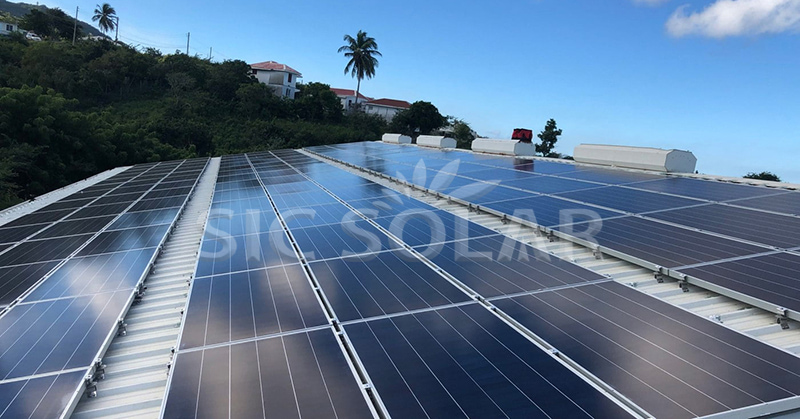
Roof solar is pretty common for homes, businesses, and factories. Since you’re already using the roof space, you don't need extra land. Putting panels up goes quicker, and getting permits can be easier since it's part of the building. Plus, shorter wires mean you lose less power, which saves money. Get the mounting right, and you can tilt the panels to get more sun.

best roof mount bracket

But, roof space is limited. Not every roof can take the weight of solar panels, especially older ones. Trees or stuff on the roof can also block sunlight. If that's the case, you'll need a pro to check the roof and find the best way to mount the panels.

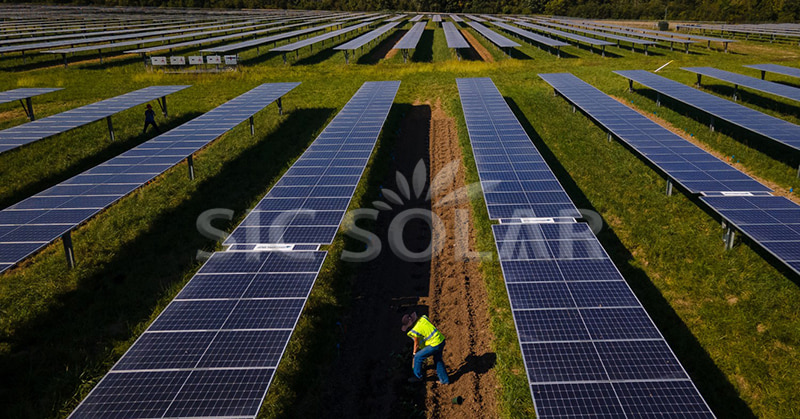
With ground solar, you've got more freedom. You can point the panels exactly where you need them to get the most sunlight year-round. Ground mounts are great for big projects, and places with land to spare. It's also easier to maintain since you don't have to climb on the roof. And, you can add more panels later if you need more power.

aluminum alloy ground mounted pv panels

The downside of ground solar is the land. Buying or using land costs money, and you might not have the space, mostly if a lot of people are living there. Ground installs also need foundations, like poles or concrete, which depends on the dirt. This can cost more upfront, but it makes the setup solid and long-lasting.

No matter which way you go, good engineering is key. Roof systems need to not break the roof, and ground systems need to handle wind. Companies like SIC Solar sell mounting systems for both roofs and ground, so projects can fit into what they need, like different places/spots and power goals.

Comparing costs? It varies. Roof systems are cheaper to kick things off for smaller setups, but ground systems might be a better deal in the long run for bigger projects because they make more power and are easier to expand. Ultimately, it’s about how much space you have, how much power you need, and how flexible your spot & place is for building and growing.

Key Components of a Ground Mounting System Explained

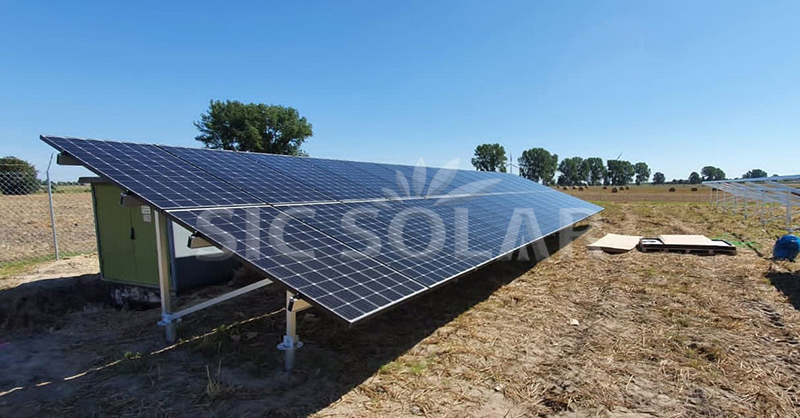
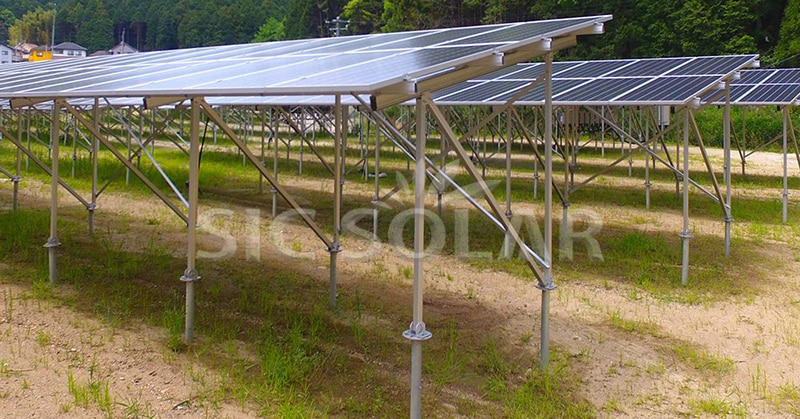
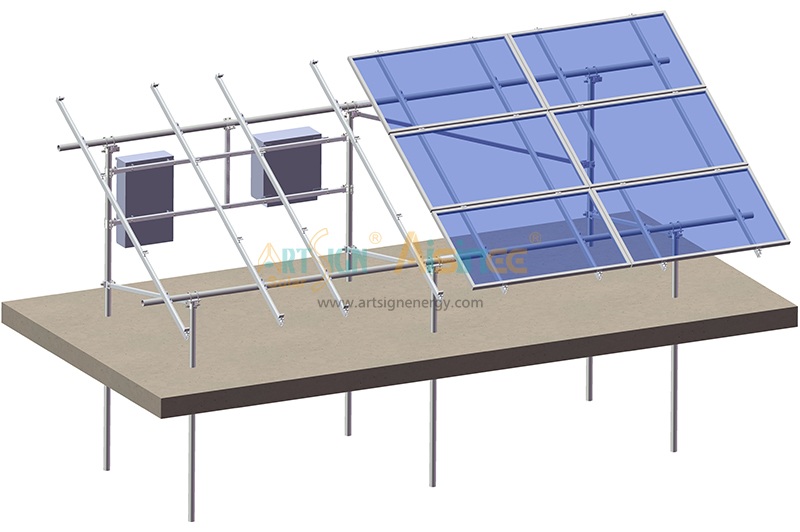
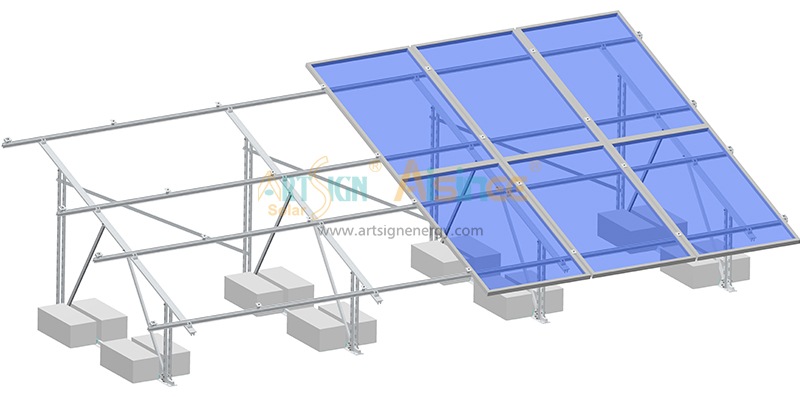
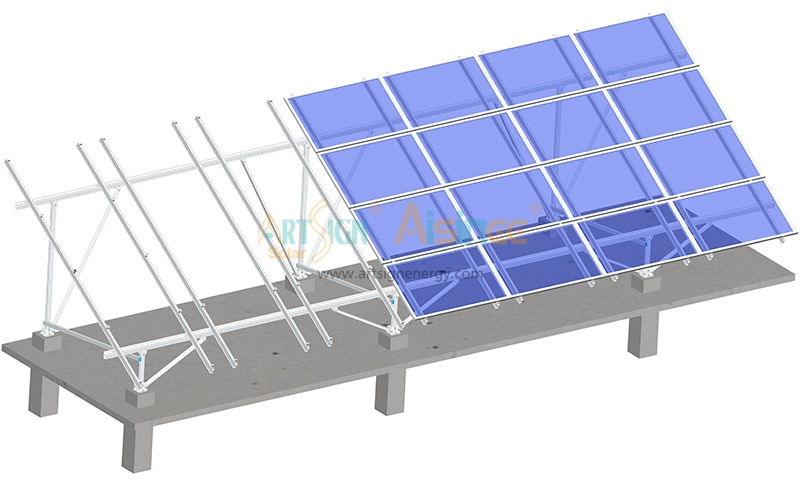
So, ground mounted solar setups? They use a bunch of parts – structural, mechanical, and electrical – to hold up solar panels in fields. You see them a lot in big utility projects, business sites, and even homes that have enough land. They’re great if you want to arrange things how you like and get the most power.

best solar ground mount system

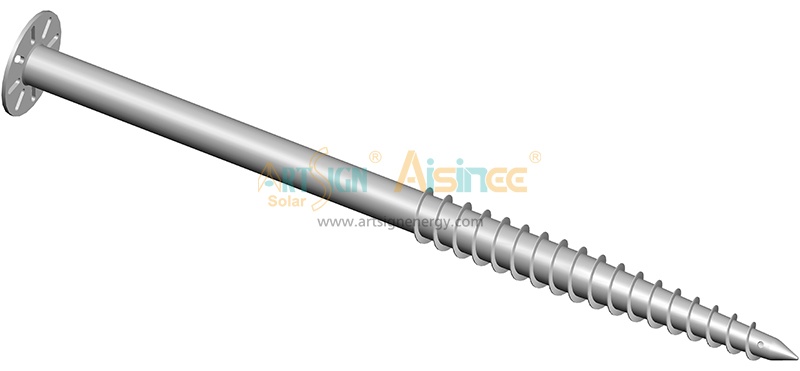
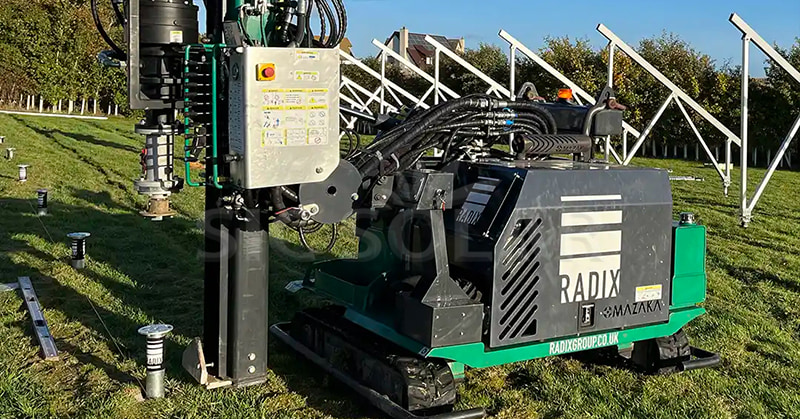
The base is super important. It keeps everything steady and moves the weight from the solar panels down into the ground. You've got options like steel beams hammered in, ground screws, blocks of concrete, or weighted bases. What you pick depends on the dirt, how much wind and snow there is, and how big the project is. A good base will stand up to wind, won't sink, and will deal with the ground moving over time.

Then you’ve got posts or columns on the bases holding up the whole thing. These posts hold the beams and decide how high off the ground the system is. The height is picked carefully for airflow, to manage plants, and to make it easy to get in there and fix things. Usually, it's galvanized steel or aluminum because they’re strong and don’t rust outside.

Beams and rails are the horizontal part that the solar panels sit on. The beams link the posts, and the rails are where you bolt the panels. This setup needs to be lined up just right, so the panels are at the right angle. Companies like SIC Solar make these with standard rail shapes to make installing stuff easier and to that different-sized panels fit.

Panel clamps hold the solar panels onto the rails. Clamps on the ends and in the middle keep the panels tight but still let them expand when it gets hot. These little parts are really important because they have to handle shaking, wind, and changes in temperature for years.

Braces make the whole thing stronger. You often see diagonal braces or crossbars to handle wind better and stop anything from bending. If you’re in a place with crazy weather, you’ll want even more bracing to keep it all stable.

Grounding and wiring are built into the setup to keep things safe with electricity. Good grounding protects the equipment and the people working on it, and it helps the system stay within electrical standards. Cable clips and trays keep the wires neat and safe from damage and sunlight.

SIC Solar, they put all these parts together to make solid ground-mounted solar solutions that are strong, work well, and are easy to put up. Each part does its job, and together they make something that can support solar power for years, no matter where it is.

What Are the Different Types of Solar Carports?

Solar carports are becoming a go-to for making clean power and putting parking lots to good use. By adding solar panels to carport builds, businesses, schools, and public spots can make electricity, give cars shade, and boost their green cred all at once. Depending on the site, budget, and what you need it for, solar carports can come in a few forms.

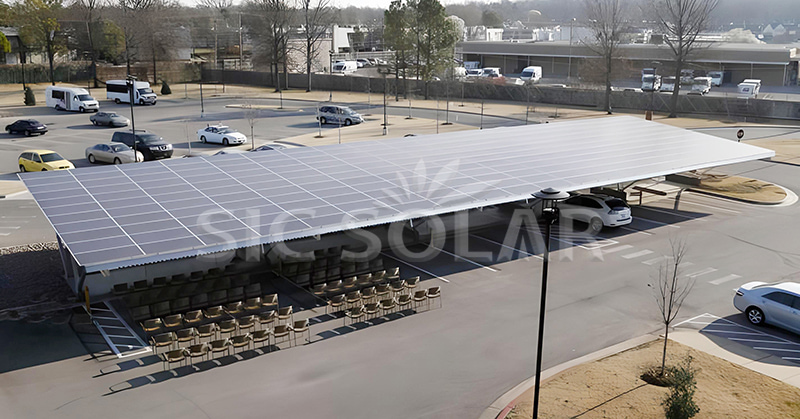
carport mounting structure

One common kind is the single-row solar carport. It has one row of parking spots with a simple frame holding up the solar panels. It's often used in smaller parking lots or spots with not much room. The frame is pretty basic, which cuts down on material and setup costs but still makes good power.

The double-row solar carport is a hit in business and factory projects. Here, one frame covers two rows of parking, usually with a pole in the middle. This gets the most out of the land and lets you pack in more solar panels. Double-row setups are good for shopping centers, factories, and office parks where you need more energy.

Another type is the cantilever solar carport. These use posts on just one side, which opens up the parking area and makes it easier to get around. This kind is liked where looks and ease are key. Cantilever solar carports also make it easier to drive through and cut down on the chance of cars hitting poles.

For projects that need extra weather protection, waterproof solar carports are a great pick. These have drains, seals, and special frames to stop water from leaking. In places with lots of rain, waterproof builds last longer and keep users comfy while still making solid energy.

There are also custom and modular solar carports made for certain jobs. These can be carports with EV chargers built in, frames that tilt, or carports shaped for bumpy ground. Modular builds let you put them in bit by bit, so it's easier to add more as you need more power.

What they're made of is important for all kinds of carports. Aluminum alloy and galvanized steel are common because they're strong and don't rust. Companies like SIC Solar put their focus on making and selling solar panel frames that mix strength, cost, and long life, helping different solar carport designs for different markets.

Picking the right kind of solar carport hangs on things like how much space you have, the weather there, how much weight it needs to hold, and if you plan to add on later. With good planning and solid frames, solar carports can be both power sources and useful structures for years to come.