How Do You Secure Solar Panels to a Roof?

Securing solar panels to a roof is one of the most important steps in any solar installation. The process must ensure stability, safety, and long-term performance while protecting the integrity of the roof itself. Whether for residential, commercial, or industrial buildings, the key lies in choosing the right mounting system and following proper installation techniques.

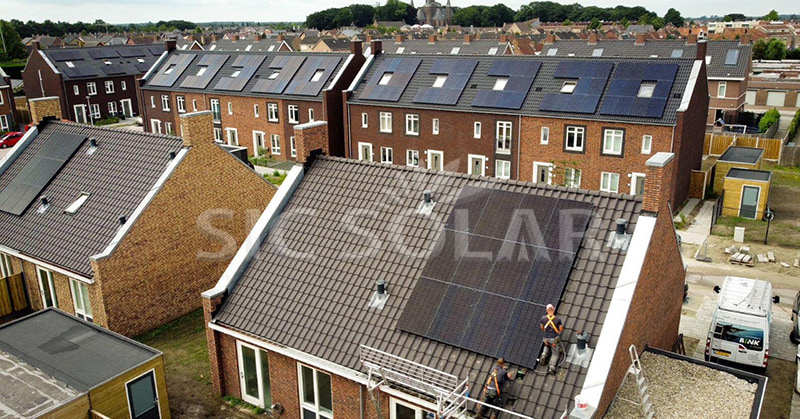
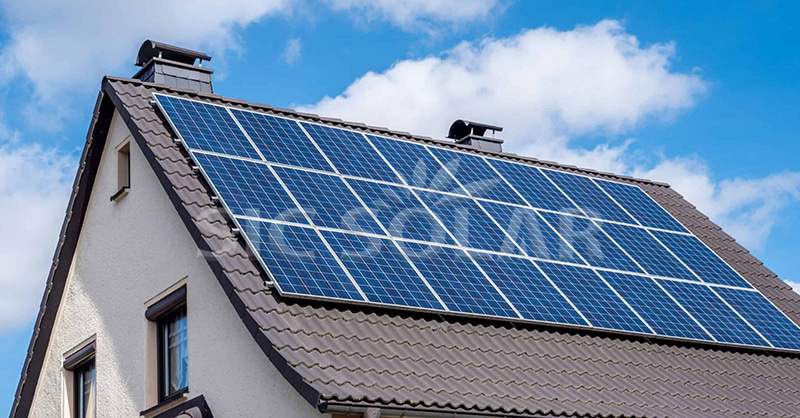
There are several methods used to attach solar panels to roofs, depending on the roof type — such as tile, metal, or flat surfaces. For pitched tile roofs, installers typically use roof hooks that are fixed to the rafters beneath the tiles. These hooks extend out to hold aluminum rails on which the solar panels are mounted. This method avoids direct contact between the panels and the roof, maintaining airflow and reducing heat buildup.

solar panels on tile roofs

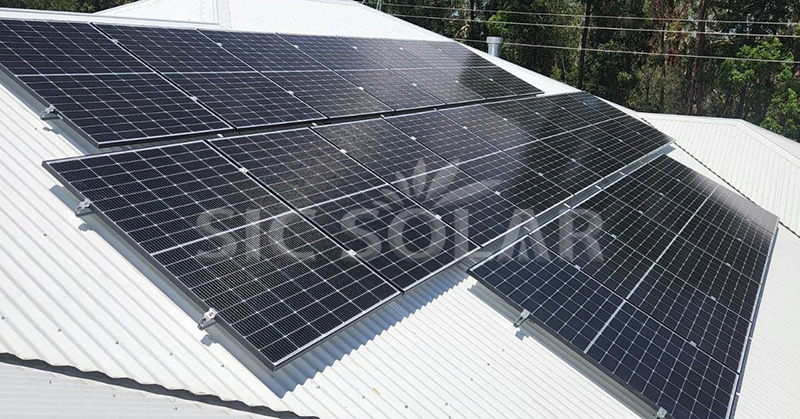
For metal roofs, the process is slightly different. Special clamps or brackets are used to attach directly to the roof seams without drilling holes, preventing leaks while ensuring strong grip. This method is particularly effective for standing seam metal roofs and is both quick and non-invasive.

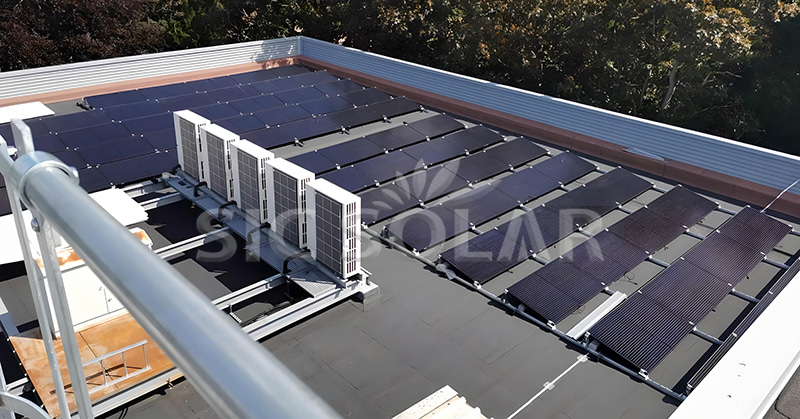
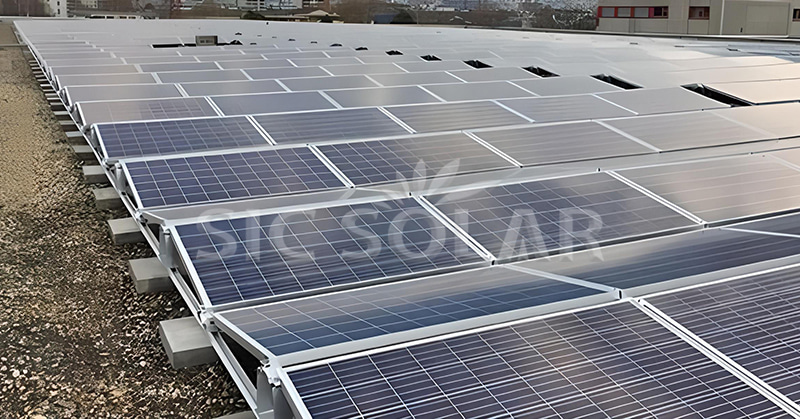
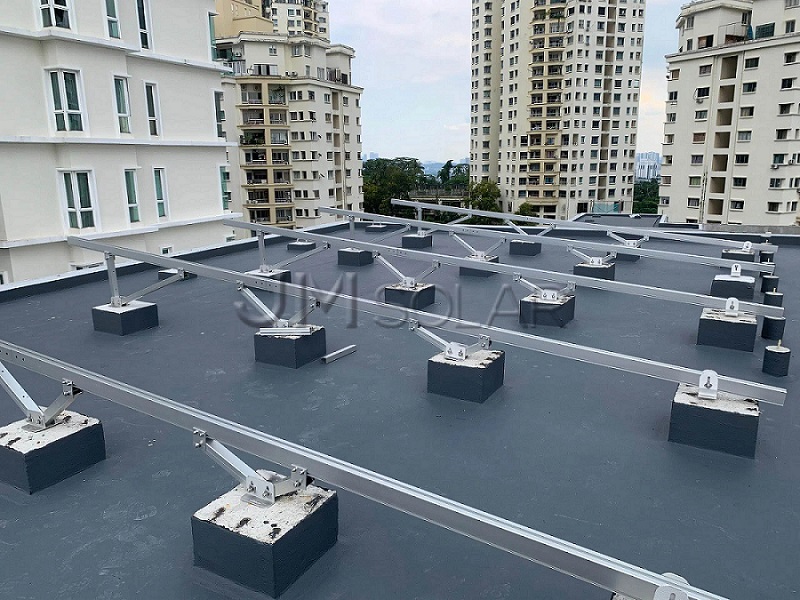
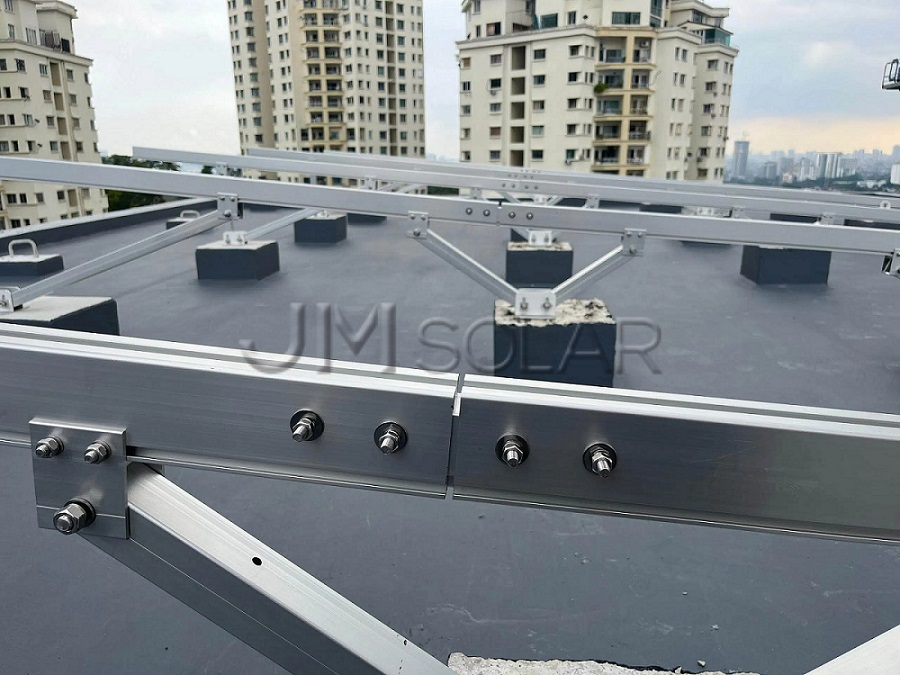
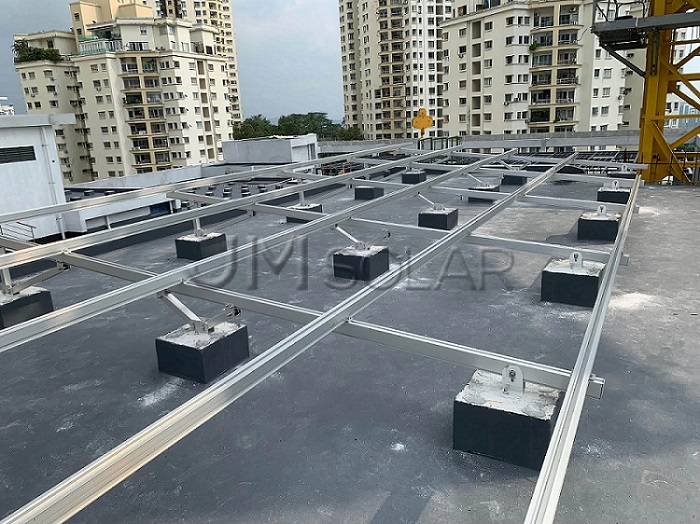
Flat roofs usually rely on ballasted mounting systems, which use weighted bases instead of direct penetration. The ballast — often made of concrete or similar heavy materials — holds the panels securely in place, even in high winds. These systems are carefully designed to distribute weight evenly and avoid stressing the roof structure.

In all cases, the quality of the mounting system plays a crucial role in ensuring the panels remain secure for decades. This is where companies like SIC Solar come in. As a professional manufacturer and supplier of photovoltaic mounting structures, SIC Solar provides durable, corrosion-resistant solutions designed for different roof types and weather conditions. Their products are engineered to meet international safety standards while making installation faster and more efficient.

Additionally, proper fastening and sealing are critical. Installers use stainless steel bolts, weatherproof washers, and sealing compounds to prevent water intrusion. Cable management systems, such as clips and conduits, are also added to keep wiring safe and organized.

Before installation, a thorough structural assessment is performed to confirm that the roof can bear the additional load. Once the panels and mounting system are in place, final checks are made to ensure all components are aligned, tightened, and grounded properly.

A secure solar installation combines precise engineering, high-quality materials, and skilled workmanship. With well-designed mounting systems from trusted providers like SIC Solar, solar panels can be safely attached to any type of roof — delivering reliable performance and clean energy for decades.

Why Is It Important to Choose Durable Solar Mounting Systems for Residential Projects?

When homeowners decide to invest in solar energy, most of their attention goes to panel efficiency, inverter brands, and expected electricity savings. However, the mounting system — the structure that holds the panels securely in place — is just as critical. A durable solar mounting system ensures not only the safety and stability of your panels but also the long-term performance of your entire solar investment.

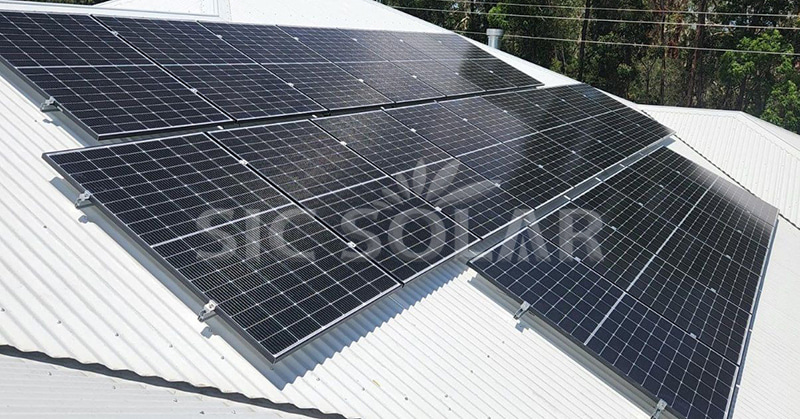
Residential solar installations are exposed to a variety of environmental conditions — from heavy rains and high winds to snow and salt-laden coastal air. The mounting system must be strong enough to withstand these challenges for decades. Using durable materials such as anodized aluminum and stainless steel helps prevent corrosion and structural weakening over time. Once installed, the system should continue to perform reliably without frequent maintenance or replacements.

residential solar solutions

A robust mounting system also contributes to consistent energy generation. If panels shift or tilt even slightly due to a weak mounting structure, it can cause uneven shading and lower energy output. A well-engineered structure keeps panels firmly aligned to the optimal angle, ensuring maximum sunlight absorption throughout the year.

Another reason durability matters is safety. A poorly built or corroded mounting frame can lead to loose panels, roof leaks, or even structural damage. For homes in windy or snowy areas, stability becomes even more critical. A reliable mounting solution minimizes these risks, giving homeowners peace of mind that their solar system can withstand extreme weather conditions.

This is where companies like SIC Solar make a difference. As a professional manufacturer of photovoltaic mounting systems, SIC Solar designs and produces high-quality brackets and supports for residential rooftops. Their products combine precision engineering with long-lasting materials, ensuring that panels remain secure and well-positioned over time. By offering solutions tailored for different roof types — including tile, metal, and flat roofs — SIC Solar provides homeowners with flexibility and reliability in their installations.

Durability also affects the return on investment. A solar system is a long-term commitment, typically lasting 25 years or more. If the mounting structure degrades before the panels do, it could lead to costly repairs and system downtime. Choosing a trusted brand and quality materials from the start ensures a smoother, more profitable solar experience.

From structural integrity and safety to sustained energy output, durable solar mounting systems form the foundation of every successful residential project. High-quality solutions, like those offered by SIC Solar, help homeowners enjoy clean energy with confidence, knowing their system is built to last.

Unlock Efficiency for Flat Roof Solar ArtSign C41 Triangle Mounting Kit

Are you searching for a flat roof solar mounting solution that combines cost-effectiveness, robustness, and rapid installation? Art Sign Solar is proud to introduce our acclaimed C41 Triangle Mounting Kit.


flat roof solar mount solution


Streamlined Design, Maximum Efficiency
Traditional flat roof mounting systems often involve numerous small parts, increasing complexity and installation time. The core advantage of the C41 Kit lies in its "Fewer Elements" design.
Key Components Include: High-strength C-shaped steel rails, clamps (mid and end clamps), and pre-assembled triangular connectors.
Simplified Workflow: This modular design significantly reduces the number of parts and assembly steps required on site. Installers simply bolt the triangular units to the rails, drastically reducing installation time and saving substantial labor costs.


solar clamp


Built Strong, Engineered to Last
At ArtSign, we never compromise on core performance for the sake of speed. The C41 system is renowned for its exceptional structural stability and high load-bearing capacity.
High-Quality C-Steel: The main rails are made from high-quality C-shaped steel, offering a highly competitive price without sacrificing performance. This material provides excellent compression and wind load resistance, ensuring the array remains secure in harsh weather.
Superior Corrosion Resistance: All metal components are treated with high-standard hot-dip galvanization, providing excellent corrosion resistance against rain, salt spray, and other challenging environments, guaranteeing system longevity for 20 years.
strong c steel solar support


Flexible and Customizable
We understand that every roof and project is unique. That's why the C41 Triangle Kit offers fully customizable project solutions. Based on your specific requirements—such as tilt angle, roof layout, or load constraints—our engineering team can provide a tailored optimization plan.


Why Choose the ArtSign C41 Flat Roof System?
Quick Installation: Modular design with fewer parts for faster assembly.
Cost-Effective: C-shaped steel material offers a significant price advantage.
Strong & Stable: Triangular structure ensures superior strength and stability.
Durable & Corrosion-Resistant: Built to last for the entire system lifecycle.
Customizable: Tailor-made solutions available for any project need.


If you are planning a flat roof solar project, the ArtSign C41 Triangle Mounting Kit is the reliable partner you can trust. Contact us today for a free quote and technical proposal, and experience an efficient, reliable, and high-value installation solution!pls contact us, E-mai: sales@artsign.net.cn, Whatsapp / Wechat / Skype: +008618030235875, thanks.


Born for Solar Metal Roofs Art Sign AS-N1A-50 N-Clamp

When photovoltaics meet metal roofs, you need a professional, reliable, and efficient solar mounting solution. Art Sign Solar proudly presents the AS-N1A-50 N-Clamp, specifically designed for standing seam metal roofs, providing perfect support for commercial and industrial rooftop PV projects!


 Solar N clip


Precise Match, Secure Installation
The AS-N1A-50 N-Clip is meticulously engineered to compatible with roof standing seam size of 20mm, ensuring a perfect fit. Its unique N-shaped design provides exceptional grip strength without roof penetration, fully maintaining roof waterproof integrity. Used with L-feet, rails, and various connectors, it forms a complete and stable solar bracket system.


metal roof solar bracket


Two Flexible Installation Options

We offer two proven installation solutions:
1. With L-feet and Rails: Enables modular installation with flexible panel angle and layout adjustment.
2.Directly with Clamps: Simplifies installation steps, further improving efficiency, and significantly reducing labor costs.
— Non-penetrating the roof.
— Various N clip which is fit for different roof shape.
— Material: aluminum 6005-T5


solar clamp for roof mount


Exceptional Performance, Long-Lasting Durability

Quick Installation: Pre-designed components, easy on-site assembly, significantly shortening construction time

Excellent Corrosion Resistance: Made from high-strength aluminum alloy with special surface treatment, perfect for harsh environments

Structural Stability: Undergone rigorous mechanical testing, capable of withstanding extreme wind and snow loads
Customization Service: Support personalized Solar mount solutions based on project requirements
The Art Sign AS-N1A-50 N-Clamp Series is the ideal choice for metal roof photovoltaic projects. Contact us today for professional technical support and customized solutions! welcome to contact us,
E-mail: sales@artsign.net.cn, Whatsapp /Wechat skype: +86 18030235875, thanks.


Can You Install Ground Screws in Cold Weather?

Ground screws have become a popular foundation choice for solar mounting systems, offering a fast, eco-friendly, and reliable alternative to traditional concrete foundations. They can be installed in a variety of soil types, making them ideal for solar farms, residential projects, and commercial applications. But when winter arrives, many installers wonder — is it possible to install ground screws in cold weather?

solar ground mount screws

The short answer is yes, you can install ground screws even in cold weather. However, there are important factors to consider to ensure the installation remains safe, stable, and long-lasting.

Ground screws are typically made of galvanized steel, which resists corrosion and maintains structural integrity under extreme temperatures. This makes them suitable for year-round use, including winter installations. Yet, when the ground is frozen, the process can become more challenging. Frozen soil increases resistance during drilling, requiring stronger equipment and careful handling to avoid misalignment or surface damage.

To address this, installers often use pre-drilling or ground thawing techniques. Pre-drilling helps break through the frozen top layer, allowing the ground screw to reach softer soil below. In very cold regions, temporary heating blankets or thermal drills may be used to warm the surface area just enough to facilitate installation.

This is where quality engineering plays a vital role. Companies like SIC Solar, a manufacturer and supplier of photovoltaic mounting systems, design durable ground screws that can be installed efficiently in different soil and weather conditions. Their products are crafted for strength and precision, ensuring that even in colder climates, installation remains stable and reliable.

Another key benefit of ground screws in winter is that they eliminate the need for concrete, which is difficult to pour and cure in freezing temperatures. Traditional concrete foundations can crack or fail to set properly in cold weather, while ground screws can be installed immediately and used right away.

Additionally, since ground screws don’t require excavation or curing time, projects can continue without long weather-related delays. This makes them especially advantageous for large-scale solar projects that operate on tight schedules.

In essence, with proper equipment, planning, and high-quality components, installing ground screws in cold weather is entirely feasible. By choosing robust materials and well-engineered products like those from SIC Solar, installers can ensure that their solar mounting foundations remain strong and reliable throughout all seasons.

How Long Do Solar Carports Last?

Solar carports have become one of the most efficient and space-saving ways to generate renewable energy while providing shade and protection for vehicles. By combining functionality and sustainability, they turn otherwise unused parking areas into clean power stations. But one of the most common questions asked by potential buyers and businesses is: how long do solar carports actually last?

solar panel carports structure

The answer depends on several factors, including the quality of the materials, the design of the mounting system, local weather conditions, and how well the installation is maintained. On average, solar carports are built to last between 25 and 30 years, with some systems even exceeding that lifespan when properly cared for.

The solar panels themselves typically come with warranties of 25 years or more. Over time, they experience a slight decrease in efficiency, known as degradation, but most panels will still perform at around 80–90% of their original output after two decades. The mounting structure, however, often lasts even longer. Made from high-quality materials such as aluminum and galvanized steel, the mounting systems are engineered to resist corrosion, high winds, and heavy loads.

This is where manufacturers like SIC Solar make a difference. As a professional producer and supplier of photovoltaic mounting systems, SIC Solar designs its carport structures to withstand diverse climates — from intense heat and UV exposure to rain, snow, and coastal humidity. Their robust racking systems ensure stability, safety, and long-term reliability for both commercial and residential solar carport projects.

In addition to the structure, maintenance also plays a key role in extending lifespan. Regular inspections help identify any loose components, debris buildup, or corrosion before they cause damage. Keeping drainage clear and checking electrical connections ensures consistent performance and minimizes downtime.

Another consideration is design flexibility. Many modern solar carports are modular, allowing easy replacement of individual components if necessary. This makes repairs or upgrades much simpler, which can further extend the overall system’s lifetime.

When properly designed and installed using high-quality mounting systems, a solar carport can continue generating clean energy long after its initial payback period. With minimal maintenance, it not only offsets electricity costs but also provides decades of environmental benefits and functional parking space.

What Are the Disadvantages of Flat Roof Solar Panels?

Flat roof solar installations have become increasingly popular for both commercial and residential buildings. They make use of unused rooftop space and can be installed without penetrating the structure, making them a flexible choice for urban environments. However, while flat roofs offer many advantages, they also come with certain disadvantages that need to be considered before installation.

One of the main drawbacks of flat roof solar panels is limited natural tilt. Since the roof is level, the panels must be mounted at an angle using a racking system to maximize exposure to sunlight. Without the correct tilt, energy production can be significantly reduced. The additional structure needed to achieve optimal angles adds both cost and complexity to the project.

Another concern is wind resistance. Flat roofs often face higher wind uplift forces compared to sloped installations. To prevent movement or damage, panels must be carefully secured using either ballast or mechanical attachments. This makes the choice of mounting system critical. High-quality designs, such as those provided by SIC Solar, are engineered to withstand strong winds while maintaining the roof’s integrity.

Weight load is also an issue. Ballasted systems, which rely on concrete blocks or other heavy materials to hold panels in place, can add substantial weight to the roof. If the building structure isn’t designed to handle it, reinforcement might be necessary, increasing costs and installation time.

Flat roofs are also more prone to drainage problems. Water pooling around solar mounts can cause corrosion, roof damage, or leaks over time. This requires careful planning of drainage paths and the use of corrosion-resistant materials. Mounting systems made from aluminum or galvanized steel, like those offered by SIC Solar, help minimize long-term maintenance issues.

Additionally, space utilization can be less efficient. To prevent one row of panels from shading another, installers must leave sufficient gaps between rows. This spacing requirement can reduce the total number of panels that fit on a given rooftop area, limiting system capacity.

Finally, maintenance access can be more complicated. Installers need to ensure enough clearance for inspection, cleaning, and repair, which can further reduce usable space.

flat roof solar mounts

Despite these challenges, flat roof systems remain a strong option when designed correctly. By using durable and precision-engineered mounting solutions from trusted manufacturers such as SIC Solar, many of these disadvantages can be effectively mitigated—ensuring stability, safety, and performance for years to come.

What Size Are Solar Walkways?

Solar walkways are becoming a popular addition to solar panel installations, particularly on commercial and industrial rooftops. They provide safe and stable access for maintenance personnel without damaging the roof surface or disturbing the solar array. But when designing or installing these systems, one common question arises — what size are solar walkways?

walkway solar roof

The size of a solar walkway can vary depending on the type of project, building design, and maintenance requirements. In most cases, solar walkways are between 600mm and 1000mm (about 24 to 40 inches) wide. This width provides enough space for one person to walk comfortably while carrying tools or equipment. For areas that require two-way access or where larger maintenance machinery is used, wider walkways may be installed.

The length of the walkway depends entirely on the layout of the solar array. Some rooftops only need short access paths between rows of panels, while others require continuous walkways that extend across the entire system. The goal is to create safe, direct routes to essential components such as inverters, junction boxes, and cable runs.

In terms of material and structure, solar walkways are often made from aluminum or glass-reinforced plastic (GRP), chosen for their durability, slip resistance, and lightweight properties. Aluminum walkways, in particular, are favored in the solar industry because they are corrosion-resistant and easy to install without adding significant load to the roof.

To ensure safety and stability, walkways are typically mounted above the roof surface using non-penetrating supports or clamps that work with existing solar mounting systems. Manufacturers like SIC Solar, a producer and supplier of photovoltaic mounting structures, design integrated walkway and racking solutions that can be adapted to different roof types and system configurations. This integration allows installers to maintain both safety and structural integrity without compromising the performance of the solar array.

The height of the walkway is usually kept minimal, just enough to provide clearance above roof irregularities or drainage channels. Most systems feature a modular design, meaning sections can be added, removed, or reconfigured as needed. This flexibility makes solar walkways suitable for both small residential rooftops and large-scale commercial installations.

Ultimately, the right walkway size depends on balancing accessibility, safety, and space efficiency. With proper design and quality components from experienced manufacturers like SIC Solar, solar walkways can be tailored to meet the specific requirements of any solar installation, ensuring maintenance teams can work efficiently and safely for years to come.

Why Fixed Solar Mount Still Matters| Artsign

While the solar trackers dominate large scale solar projects in the solar energy market, fixed solar mounting system continue to prove their value in specific scenarios. At Art Sign Solar Energy Factory, we’ve been remaining dedicated to manufacturing high-quality fixed-tilt racks for 19 years, and here is why.


Choosing fixed solar mounting system is better in challenging environments such as hilly terrains, high-wind regions, or areas with rocky soil. Their simpler design, with no moving parts, ensures durability and reliability in some terrible weather conditions like heavy snow loads, hurricanes or typhoon. Unlike single-axis trackers, which require specialized ground foundations, fixed solar mounts adapt seamlessly to tough soil types, reducing construction complexity and costs.


Art Sign is committed to producing fixed solar mounting solutions that meet diverse project needs. Such as the agricultural support solar racking system, carport PV module mounting structure, hillside W-shaped solar ground mount and Zinc aluminum magnesium solar bracket. Their efficient design reduces manufacturing and installation expenses while minimizing maintenance needs after construction. For projects with limited budgets or high labor costs, they offer an ideal solution without sacrificing quality or performance.


fixed solar mounting system


Art Sign Solar Energy is dedicated to advancing fixed-tilt technology, drawing on years of expertise to provide durable and efficient racking solutions. By emphasizing reliability and adaptability, Art Sign ensures its products cater to the varied needs of solar developers globally. As the demand for renewable energy increases, fixed-tilt systems will remain crucial in expanding solar capacity across challenging terrains.
For developers seeking a dependable partner in solar infrastructure, Art Sign Solar Energy stands out as a leading supplier of fixed-tilt racking systems. With proven performance and cost-effective solutions, the company is poised to drive sustainable growth in the global solar market.


For any inquiry of solar panel mounting system, pls contact us, E-mai: sales@artsign.net.cn, Whatsapp / Wechat / Skype: +008618030235875, thanks.


What Is the Difference Between a Cable Clip and a Cable Clamp?

In solar panel installations and many other electrical projects, cable management is just as important as the panels and mounting systems themselves. Properly securing cables prevents damage, improves safety, and ensures a clean, professional finish. Two commonly used accessories in this context are cable clips and cable clamps. While the terms sound similar, they serve different purposes and are designed for different applications.

solar cable wire clips

A cable clip is a small, lightweight device typically used to hold electrical wires neatly in place along a surface. Clips are generally designed for quick and easy installation, often snapping onto a panel frame, rail, or structure without requiring additional hardware. In solar systems, cable clips keep PV cables organized, preventing them from dangling or being exposed to sharp edges that could cause wear. They are especially useful on rooftops or ground-mounted arrays, where tidy cabling reduces both safety risks and visual clutter.

A cable clamp, on the other hand, is a stronger, more secure fastening solution. Unlike clips, clamps are usually tightened around a cable or group of cables using screws, bolts, or pressure mechanisms. This makes them ideal for situations where cables need to be held firmly in place and protected from vibration, movement, or external stress. For example, clamps are often used near inverters, junction boxes, or along supporting rails where extra strength is required. They provide long-term durability in outdoor environments and are often made from stainless steel or other weather-resistant materials.

The key difference lies in strength and purpose. Cable clips are perfect for organizing and routing wires with minimal effort, while cable clamps provide heavy-duty support and stability. In many solar installations, both are used together: clips for efficient cable routing across panels and clamps for anchoring cables in critical areas.

Companies like SIC Solar, a manufacturer and supplier of photovoltaic mounting systems, understand the importance of reliable cable management. Alongside their solar brackets and racking solutions, they also provide high-quality cable clips and clamps designed for solar applications. Their products ensure that electrical wiring is secured safely and neatly, contributing to both system performance and long-term reliability.

In the end, choosing between a cable clip and a cable clamp is not a matter of which is better, but rather which is better suited for the task at hand. Both play a vital role in keeping solar installations efficient, safe, and built to last.